Blog

  • How AI Helps Identify Transferable Skills You Didn’t Know You Had

    How AI Helps Identify Transferable Skills You Didn’t Know You Had

    If you’ve ever sat down to write your CV or LinkedIn profile, you probably stared at the screen thinking, “What do I even have that counts as experience?” That’s a common feeling for many people, especially immigrants building new careers in Canada, students just starting out, or professionals trying to pivot into a new field.

    You likely have way more transferable skills than you realise. Transferable skills are abilities that move with you from one role to another, no matter the industry. Think about things like communication, problem-solving, teamwork, or even leading small projects. These don’t disappear just because your job title changes.

    The problem is, most of us don’t see those skills clearly because we’re too focused on job descriptions. This is where AI tools step in to shine a light on what’s been hiding in plain sight.

    How AI Tools Identify Hidden Strengths

    AI doesn’t just scan your résumé for keywords. It looks at patterns in your experiences and matches them against thousands of real job roles. Platforms that use natural language processing (NLP) can read between the lines and highlight skills you might have overlooked.

    For example, if you’ve been volunteering to organise events, an AI tool might recognise project management and leadership skills hidden inside those tasks. If you’ve been tutoring or mentoring a friend, it could tag you with teaching and coaching abilities. Even soft skills like empathy or adaptability can surface when AI maps your background against broader industry needs.

    This is powerful for anyone trying to move forward in their career:

    • Immigrants can get skills recognised beyond traditional certificates.
    • Students can showcase experience from side projects or part-time jobs.
    • Career pivoters can see how their old role connects to something entirely new.

    By translating your experiences into recognised skills, AI gives you a language that recruiters and employers already understand and that can completely change the way you tell your story.

    Why This Matters for Immigrants, Students & Career Pivoters

    For immigrants, the toughest part of starting fresh in a new country is that your degrees or work history don’t always transfer smoothly. In Canada, many internationally trained professionals face this challenge (Government of Canada on foreign credential recognition). AI can help bridge that gap by showing how your previous role skills translate into the Canadian job market. For example, if you worked as an engineer abroad, AI might highlight transferable abilities like problem-solving, project coordination, and analytical thinking that fit other industries too.

    For students, the issue isn’t a lack of skills; it’s recognising that part-time jobs, school projects, or even running a small club count for something. AI can take those smaller experiences and map them into broader categories like teamwork, leadership, and digital literacy. This means you don’t leave your résumé looking “empty” just because you’re new.

    And for career pivoters, AI acts like a translator. It shows you how what you did before can fit into a new space. Let’s say you’ve been a teacher and want to move into corporate training. AI can connect the dots between lesson planning and curriculum design with employee learning and development.

    In short, AI helps these groups avoid underselling themselves. It makes your hidden skills visible in ways that employers instantly understand.

    How to Use AI to Surface & Leverage Those Skills

    So, how do you actually put this into practice?

    1. Upload Your Résumé or Profile Into AI Tools
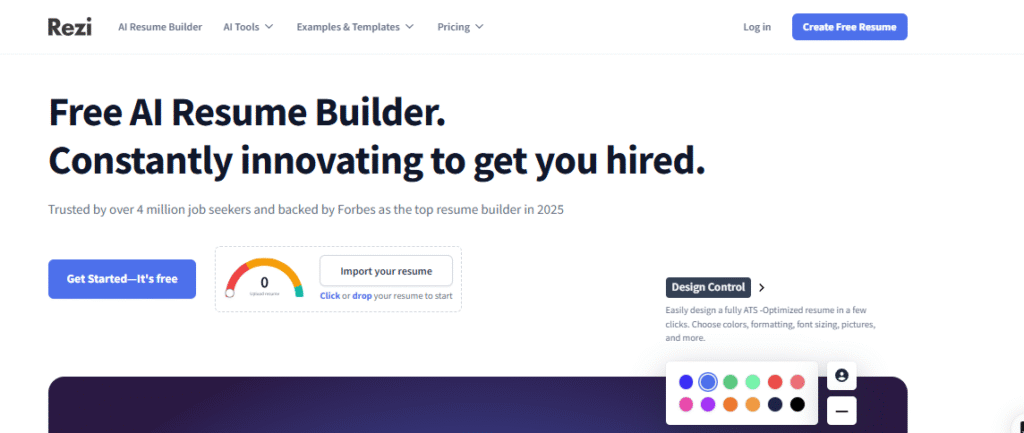
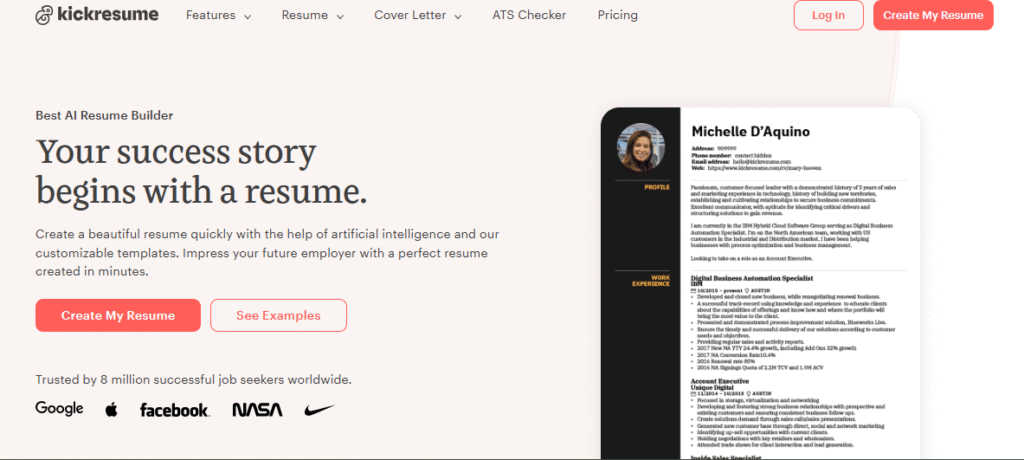
      Career platforms like Rezi or Kickresume use AI to scan your experiences and point out strengths you might miss.
    2. Try Skill-Mapping Assessments
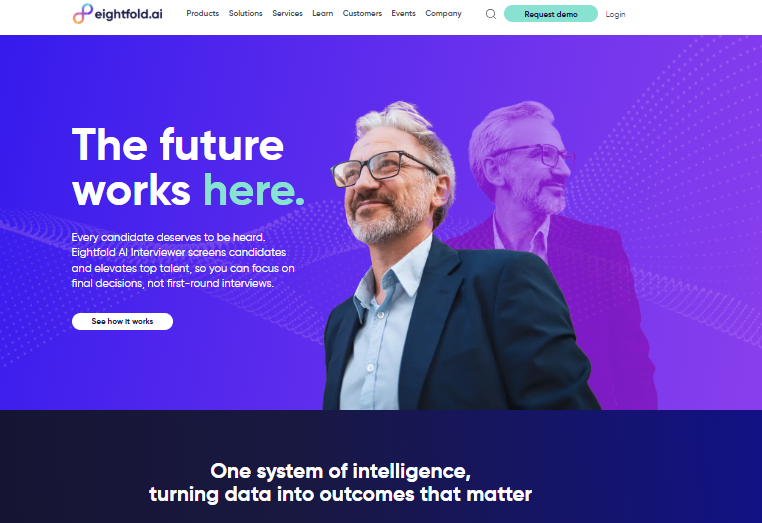
      Some AI platforms, like Eightfold.ai, go beyond your résumé and compare your skills to millions of real job profiles. This gives you a data-backed view of where your strengths sit in the market.
    3. Cross-Check AI Insights With Human Feedback
      AI can give you suggestions, but it’s even stronger when combined with feedback from mentors, peers, or coaches.
    4. Build a Personal Action Plan
      Once you know your transferable skills, you can:
      • Reframe your résumé to highlight them.
      • Use them as keywords in your LinkedIn headline.
      • Map them to career paths that fit your new goals.

    AI is not about replacing your judgment; it’s about giving you clarity and language to better market yourself.

    Challenges, Risks & Ethical Considerations

    Of course, AI isn’t perfect. It can sometimes highlight the wrong skills or miss context. For example, maybe you worked in a family business and wore many hats. AI might not fully capture the depth of those experiences. That’s why you still need to review and refine what the system gives you.

    Another issue is bias in AI models. If the dataset doesn’t fully represent diverse backgrounds, immigrants or career switchers could be disadvantaged. Transparency, accountability, and human oversight are key.

    So the rule here: AI is a mirror, not the final judge. Use it as a tool, but not as your only voice.

    At the end of the day, most of us are sitting on a pile of transferable skills we didn’t know we had. Whether you’re starting over in a new country, preparing to graduate, or making a career pivot, AI can help you see your value more clearly.

    But don’t stop at just “seeing.” Take action:

    • Try a free AI résumé scanner this week.
    • Rewrite your LinkedIn summary with your new list of skills.
    • Ask someone in your network if they see the same strengths AI identified.

    Your skills are already there. AI just gives you the words to describe them and once you can describe them, you can start using them to open the right doors.

  • The Hidden Costs of Using Free AI Career Tools

    The Hidden Costs of Using Free AI Career Tools

    It feels like every day, there’s a new free AI career tool that promises to do it all, fix your résumé, write cover letters, and even prepare you for interviews. And when you’re a student, an immigrant, or someone trying to pivot careers, the word “free” feels like the best deal in the world.

    Nothing is truly free. These tools often come with hidden trade-offs that most people don’t see until it’s too late. It’s the same issue we’ve seen with “free” social media apps that profit from your data. The same principle applies here, except now, your career data is at stake.

    So before you lean completely on free AI tools, let’s talk about what “free” really means.

    What “Free” Really Means

    When a platform says it’s free, you’re not the customer—you’re often the product. Most AI career tools use your data in ways that serve the tool, not you. Here are the most common things you should know:

    • Your information trains their models: The résumé you paste, the career answers you type in, or even the job descriptions you upload may be stored and used to improve the tool. That means your personal details could become part of their dataset.
    • Sudden paywalls: Many free tools hook you in, then quickly lock features behind a paid subscription. What felt like a cost-saver can trap you into paying more than if you had started with a trusted premium tool.
    • You lose control: Free apps can change policies overnight, remove features you depend on, or even shut down completely. And since you never paid, you usually have no right to demand continuity or support.

    At first, free tools seem harmless. But when you zoom out, you realise the “price” is your data, your time, and sometimes your peace of mind.

    Major Hidden Costs

    Here’s where it gets real. The biggest danger of free AI career tools isn’t that they don’t work—it’s what you lose along the way.

    • Privacy risks: When you share your résumé or career history with free tools, you might be giving away sensitive data without knowing it. Many tools don’t clearly state what they’ll do with your uploads.
    • Reliability issues: Free tools often crash, limit usage, or give outdated information. Imagine preparing for a big job interview only to realise the AI “tips” were wrong or copied from old internet sources. This isn’t rare; free platforms are rarely maintained at the same standard as paid versions.
    • No customisation: You can’t tweak them to suit your unique career path. For example, if you’re an immigrant looking for jobs in Canada, free tools won’t highlight Canadian work permit rules or industry-specific résumé formats. Paid tools often include local insights, while free tools stick to generic advice.
    • Opportunity cost: Time wasted fixing errors from free tools could be spent applying to more jobs or networking. A bad résumé draft from an AI tool can cost you interviews, something much harder to replace than a small subscription fee.

    Real-World Impacts on Careers and Workflows

    Let’s bring this down to earth. How do these hidden costs actually show up in your career?

    • Content ownership issues: Some tools keep a copy of what you generate. That could mean your unique résumé wording or cover letter is stored and reused. In the worst case, you might see your own words recycled elsewhere.
    • Workflow breakdowns: Free tools don’t integrate well with others. If you’re using project management apps or professional platforms, you’ll likely have to copy-paste everything manually. That slows you down, and as most career coaches note, speed matters when applying for jobs.
    • Loss of trust: Imagine relying on a free AI tool for interview prep and quoting an outdated answer to a recruiter. Instead of sounding sharp, you risk sounding unprepared. That first impression can make or break an opportunity.
    • Psychological burnout: This one is subtle. The more you depend on free AI, the more you second-guess yourself. If the tool makes mistakes, you feel frustrated. If it works too well, you feel dependent. Either way, your confidence takes a hit.

    How to Evaluate & Use Smartly

    You don’t have to abandon AI career tools. You just need to use them wisely. Here’s how:

    • Ask the right questions first: Before using a free tool, check its data policy. Does it clearly say what happens to your uploads? If not, pause. Transparency is a good sign.
    • Use minimal exposure: Don’t paste your full résumé with phone numbers, emails, or identification details. Share only the parts you need help with, like a bullet point or job description.
    • Start free, plan to upgrade: Free tools are okay for testing, but if you find one that actually helps, invest in the paid version. You’ll usually get stronger features, privacy guarantees, and customer support (CIO.com).
    • Have a backup strategy: Don’t depend on one tool. Mix AI with human feedback, ask mentors, career advisors, or use trusted platforms like LinkedIn Learning for structured growth.

    At the end of the day, a free AI tool can be a good starting point, but it should never be your entire strategy. Your career deserves more than shortcuts.

  • How to Showcase Your Project-Based Work in Your Job Application: Stand Out to Employers

    How to Showcase Your Project-Based Work in Your Job Application: Stand Out to Employers

    With the rise of remote work and freelance opportunities, employers are increasingly looking for candidates who can demonstrate practical skills through real-world projects.

    And it is important to know how to effectively highlight your project-based experience in your job application, ensuring that you stand out from the crowd.

    Project-based work is not just a trend; it’s a vital component of modern employment.

    According to a report by the World Economic Forum, 85 million jobs may be displaced by a shift in labour between humans and machines by 2025. This means that employers are looking for candidates who can adapt quickly and demonstrate their ability to contribute to specific projects.

    Why Employers Value Project-Based Work

    1. Demonstrated Skills: Projects provide tangible evidence of your skills and capabilities.
    2. Real-World Experience: Employers appreciate candidates who can show how they’ve applied their knowledge in practical settings.
    3. Problem-Solving Abilities: Successfully completing projects often involves overcoming challenges, which speaks volumes about your problem-solving skills.

    By understanding these factors, you can better position your project-based work as a key selling point in your job application.

    Identifying Relevant Projects to Highlight in Your Application

    When it comes to showcasing your project-based work, not all projects are created equal. You need to select the most relevant projects that align with the job you’re applying for.

    Tips for Project Selection

    • Relevance: Choose projects that are directly related to the job description. For instance, if you’re applying for a marketing role, highlight projects that involved marketing campaigns or social media strategies.
    • Impact: Focus on projects that had a measurable impact. Did you increase sales by a certain percentage? Did you improve efficiency? Use metrics to demonstrate your success.
    • Skills Alignment: Ensure the projects you choose showcase the skills listed in the job posting. If the employer is looking for strong analytical skills, highlight a project where you analysed data to drive decisions.

    Crafting Your Project Portfolio

    Creating a well-organised portfolio can make a significant difference. Consider using platforms like Behance or GitHub to showcase your work visually. This not only enhances your application but also provides a space for employers to explore your projects in detail.

    Crafting a Compelling Narrative Around Your Projects

    Storytelling is a powerful tool in job applications. By crafting compelling narratives around your projects, you can engage potential employers and make your application memorable.

    Elements of a Strong Narrative

    • Context: Start by providing background information about the project. What was the goal? Who was involved?
    • Your Role: Clearly define your responsibilities and contributions. What specific actions did you take?
    • Outcome: End with the results. Use quantifiable data to illustrate the impact of your work.

    Example of a Project Narrative

    Imagine you led a team to develop a new app. Instead of simply stating, “I worked on an app development project,” you could write:

    “As the project lead for a team of five, I spearheaded the development of a mobile app aimed at improving user engagement. By implementing user feedback loops and conducting A/B testing, we increased user retention by 30% within three months of launch.”

    The Best Formats for Presenting Project Work on Resumes and Cover Letters

    Formatting your project work effectively can enhance readability and impact. Here are some strategies to consider:

    Resume Layout for Projects

    • Bullet Points: Use concise bullet points to describe each project. Start with action verbs and include metrics where possible.
    • Sections: Create a dedicated section for projects on your resume. This helps draw attention to your most relevant experiences.

    Cover Letter Strategies

    • Personalisation: Tailor your cover letter to the job by mentioning specific projects that align with the company’s goals.
    • Visual Presentation: If applicable, include links to visual elements of your projects, such as videos or presentations.

    Leveraging Online Portfolios and Professional Networks to Enhance Visibility

    Having an online presence is essential. Here’s how to leverage online portfolios and professional networks:

    Online Portfolio Tips

    • Keep it updated: Regularly update your portfolio with new projects and achievements.
    • User-Friendly Design: Ensure your portfolio is easy to navigate and visually appealing.

    Networking Strategies

    • LinkedIn Optimisation: Make sure your LinkedIn profile is polished and professional. Include a compelling summary that highlights your project-based work and link to your portfolio. Here’s how to optimise your profile:
      • Professional Photo: Use a clear, professional headshot.
      • Custom URL: Create a custom LinkedIn URL (like linkedin.com/in/yourname) to make it easy to share.
      • Featured Section: Use the “Featured” section to showcase your top projects and achievements.
    • Engage with Your Network: Regularly post updates about your projects, share insights, and engage with others in your industry. This not only keeps your profile active but also positions you as a knowledgeable professional.

    Tips for Tailoring Your Application to Different Roles Based on Project Experience

    When applying for various roles, it’s essential to customise your application materials to reflect how your project experience aligns with each position.

    Customizing Applications

    1. Read the Job Description Carefully: Identify keywords and skills that are emphasised in the job posting. Use these keywords in your resume and cover letter to pass through Applicant Tracking Systems (ATS).
    2. Highlight Role-Specific Projects: If you’re applying for a project management position, emphasise projects where you led a team or managed budgets. For a technical role, focus on projects that showcase your technical skills.
    3. Show Adaptability: If you’ve worked on diverse projects, demonstrate how your varied experiences make you a well-rounded candidate. For instance, if you transitioned from marketing to product development, highlight how your marketing insights informed your approach to product design.

    Example of Tailoring Your Application

    Suppose you’re applying for a data analyst role. Your application could include:

    “In my recent project with [Company Name], I analysed customer data to identify trends that led to a 15% increase in sales. Utilising tools like SQL and Tableau, I transformed raw data into actionable insights, which were presented to stakeholders, resulting in the implementation of new marketing strategies.”

    By understanding the importance of project-based work, selecting relevant projects, crafting compelling narratives, and leveraging online platforms, you can present yourself as a strong candidate ready to tackle the challenges of today’s job market.

    Additional Resources

    • Online Courses: Consider taking courses on platforms like Coursera or LinkedIn Learning to enhance your skills and add new projects to your portfolio.
    • Project Management Tools: Familiarise yourself with tools like Trello or Asana to manage your projects effectively. These tools can also be highlighted in your applications to demonstrate your organisational skills.

    Final Thoughts

    As you prepare your job applications, remember that the key to standing out is not just listing your experiences but telling the story of your projects. Engage your audience with compelling narratives, quantify your achievements, and tailor your applications for each role. By doing so, you’ll not only capture the attention of hiring managers but also demonstrate your readiness for the job.

    Stay Informed and Updated

    To keep your skills sharp and stay informed about industry trends, subscribe to relevant newsletters and follow influential figures in your field on social media. Websites like Harvard Business Review and Forbes offer valuable insights that can help you stay ahead in your career.

    By following these guidelines, you’ll be well on your way to crafting job applications that truly showcase your project-based work and make a lasting impression on employers. Good luck!

  • Top Skills That Can Land You a Job Even With Little Experience

    Top Skills That Can Land You a Job Even With Little Experience

    Not having years of experience can make job hunting feel like a slow crawl through wet cement. But here’s the twist: experience isn’t always the golden ticket anymore.

    Thanks to the rise of skills-first hiring, a growing number of companies now prioritise what you can do over what’s written on your CV.

    Major brands like Google, Apple, and IBM have even ditched degree requirements for many roles, focusing instead on what you bring to the table skill-wise. Google’s own career certificates are built for people with zero prior experience who are simply ready to learn.

    This shift is good news if you’re just starting out or pivoting into a new career lane. Employers are open to fresh talent if you can show that you’re adaptable, teachable, and already have some valuable transferable skills.

    Transferable Soft Skills That Employers Love

    You don’t need a long resume to prove you’re capable. Transferable soft skills, the ones you’ve picked up from life, volunteering, group projects, side hustles, or even raising siblings, are golden.

    Let’s break a few of them down:

    1. Communication Skills

    Can you explain your thoughts clearly, speak confidently, or write solid emails? That’s communication. And it’s one of the top-ranked skills in every industry, from customer service to tech.

    How to show it: Think of group work during school, organising events, helping a neighbour troubleshoot a problem, or running a blog/social media page. These are all proof of strong communication

    2. Teamwork & Collaboration

    If you’ve ever worked with people, classmates, teammates, choir groups, or even church committees, you’ve used this skill. Employers want people who can work with others without drama and who get things done as a group.

    Where to showcase it: In interviews or resumes, talk about times you contributed to a team goal or helped resolve a group conflict.

    3. Adaptability

    In today’s unpredictable job market, being able to roll with the punches is a top-tier trait. A McKinsey report found that adaptability, the ability to adjust to new tools, environments, or expectations, is critical for future-ready talent.

    Example: If you had to switch to remote learning, navigate multiple responsibilities at once, or learn new platforms on the fly, congrats, you’re adaptable.

    4. Time Management

    This one’s huge, especially if you’re juggling a side hustle, school, and personal life. Being able to organise your day, meet deadlines, and stay focused shows maturity, even if you don’t have formal work experience yet.

    Mention tools you use to stay organised (like Google Calendar, Trello, or Notion). It’s a great way to connect a soft skill with a practical workflow. Want to upskill in productivity? Google has a free course on productivity tools that looks great on any resume.

    5. Emotional Intelligence

    Can you read the room? Handle feedback without spiralling? Help others feel heard? That’s emotional intelligence, and it’s becoming one of the most desired workplace traits, especially in leadership tracks.


    These skills might seem like “just life stuff,” but they’re exactly what hiring managers are scanning for between the lines of your resume or LinkedIn profile. If you can package them with real examples, you’re already ahead of many applicants.

    Digital & Tech Skills That Set You Apart (Even at Entry-Level)

    Let’s be real: whether you’re applying to work in admin, marketing, fashion, education, or even the nonprofit space, basic tech fluency is non-negotiable.

    And no, you don’t need to be a coding wizard or data scientist. Entry-level tech skills are often low barrier, high impact, and easy to learn online, free or for cheap.

    1. Digital Literacy

    This simply means you know your way around digital tools. Microsoft Word, Excel, Gmail, Google Docs, and Zoom aren’t bonuses — they’re baseline. According to Indeed, digital literacy is one of the top IT skills for beginners, even if you’re not applying to a “tech job.”

    Make sure you know how to manage cloud storage (like Google Drive), format documents professionally, and work within project timelines using tools like Trello or Asana.

    2. Content Tools (Design + Social Media)

    Whether you want to go into marketing, admin, or retail, knowing Canva, CapCut, or basic Instagram scheduling is a plus. Canva, for instance, has tons of free tutorials on its Design School that can help you build graphics or resumes that look professional and polished.

    Show your Canva or design work in a free Notion portfolio or even a Google Drive folder. It’s the digital proof employers love to see.

    3. Email + Workplace Tools

    Ever used Gmail labels, set up a Google Calendar invite, or tracked responses in a Google Sheet? That’s gold.

    Even tools like Slack, Notion, and ClickUp are popping up in entry-level job descriptions, especially for remote teams or startups. And there are YouTube tutorials for literally everything, no excuses.

    Take a 30-minute crash course on Google Workspace Essentials. It shows up on resumes and search filters.

    How to Showcase These Skills Without a Traditional Resume

    No job titles? No problem. What you need is storytelling and strategy, not just a bullet list.

    Here’s how to sell yourself when your experience column is a little… sparse:

    1. Switch to a Skills-Based Resume Format

    This is a game-changer. Unlike traditional resumes that list jobs chronologically, a skills-based (functional) resume focuses on your strengths, not your work history. Tools like Zety’s resume builder or Novoresume help you create stunning templates for this.

    Quick structure:

    • Header: Contact info + headline
    • Summary: What you’re great at + what you’re looking for
    • Skills in Action: Specific examples of where you used those skills
    • Education, certifications, and volunteer work

    2. Optimise Your LinkedIn Profile

    Think of LinkedIn as your 24/7 recruiter. Use keywords that match job descriptions you’re targeting. Add skills (yes, even Canva and teamwork), link to your work, and post short reflections or learnings. Employers do check.

    And yes, even if you’re just starting out, a well-optimised LinkedIn profile can make a huge difference.

    3. Don’t Sleep on Cover Letters

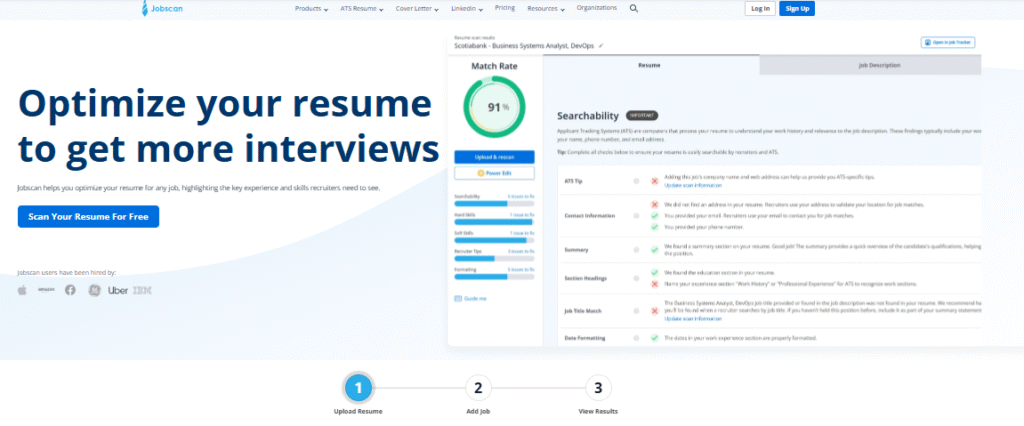
    This is where you tell your story. What drives you? Why do you care? And where your strengths come from. Platforms like Jobscan even offer cover letter templates and tips to help match your writing with job descriptions.

    Pick one or two soft/digital skills and describe a real-life moment where you used them. Don’t say “I’m a team player.” Say “During my final year project, I coordinated with a five-person team to deliver a research paper ahead of deadline using Trello and Google Docs.”

    Where to Learn and Prove These Skills for Free (or Cheap)

    Ready to level up? Good. Because you can learn and even get certified for many of the skills above, no tuition fees, no gatekeeping.

    Here’s where:

    1. Grow with Google (Free Career Certificates)

    Google offers free-to-low-cost programs on data analytics, IT support, UX design, and more. You can access them on Coursera or go through Grow with Google.

    2. LinkedIn Learning

    If you already have a LinkedIn account, start using their Learning platform for short, beginner-friendly courses. The best part? Once completed, these certifications show up directly on your profile.

    3. Coursera, FutureLearn & Alison

    These platforms offer free courses with optional paid certificates. Coursera even partners with institutions like Yale, Google, and IBM.

    Start with these:

    4. Get Micro-Certifications with Credly or Badgr

    Platforms like Credly and Badgr let you display and share verified skill badges on your LinkedIn or resume, which adds credibility and shows initiative.

    You Don’t Need Experience. You Need Proof of Skills.

    Employers want to see what you’re made of and, more importantly, how you’ve already been using the skills they care about.

    You can absolutely land a job without years of experience. What you need is:

    • The right soft and digital skills
    • A strong personal narrative
    • Platforms that help you learn and show what you know

    And remember, you don’t have to fake it. You already have what it takes. You just need to shine a spotlight on it.

  • What Your Resume Pile Says About Your Brand as an Employer

    What Your Resume Pile Says About Your Brand as an Employer

    Most HR teams are hyper-focused on what a candidate’s resume says about them, education, experience, skills, and red flags. But how often do you pause and ask: What does this resume pile say about us?

    Yep, that stack on your desk (or in your inbox) is not just a collection of job seekers. It’s a mirror. It reflects your company’s culture, visibility, clarity and most importantly, your employer brand.

    The kind of talent you attract is often a direct response to the image you’re projecting. It’s the same way high-end brands attract specific types of customers without having to say much. You don’t see Gucci begging for attention. Their brand does the heavy lifting, and so should yours.

    So, what can you really learn by studying those CVs beyond qualifications? Let’s decode it together.

    Volume Doesn’t Always Mean Value

    I’ve heard companies brag about “getting over 1,000 applicants for one role” as though that’s a flex. But hold up, what if that’s not a good thing?

    If your job posting draws a flood of resumes but only a handful are actually qualified, it’s time to look inward. That usually points to a misalignment between your employer brand and your role clarity.

    Take a look at your job descriptions. Are they generic? Full of buzzwords? Vague about expectations or compensation? If yes, you’re probably casting a net so wide it pulls in noise.

    Also, think about where you’re posting. If you’re just dumping the same JD across job boards without tailoring it to platforms like Workable or AngelList, you’re likely attracting the “spray-and-pray” crowd, job seekers who mass-apply to everything and hope for the best.

    But more than that, a bloated applicant pool might signal that people don’t really understand your company. If you’re not clear about what you stand for, anyone and everyone will assume they’re a fit. And guess what? That lack of clarity silently chips away at your credibility.

    If your resume pile is chaotic, so is your brand message.

    Resume Quality Reflects Perceived Company Value

    Let’s say you’re flipping through resumes and half of them are riddled with typos, no cover letters, or generic applications that scream “copy-paste.” It’s easy to blame the talent pool, but what if that says more about how your company is perceived?

    Candidates tend to invest more effort in applying to companies they admire. So if your applicants seem disinterested or sloppy, that could be a reflection of your employer brand’s low perceived value.

    Job seekers today are pretty invested in research. They’re checking your Glassdoor reviews before they even click “Apply.” They’re scrolling your company’s LinkedIn page, stalking employee testimonials, and peeking at your career site design. If those touchpoints feel cold, outdated, or confusing, expect lukewarm resumes.

    Want to attract high-quality candidates? Start by making your employer value proposition (EVP) clear and compelling. Share authentic employee stories. Show off real culture moments. Don’t just say “we’re a fun, inclusive place to work.” Prove it, with videos, quotes, and even behind-the-scenes day-in-the-life content on platforms like Instagram or TikTok.

    The quality of resumes you receive is a direct reflection of the reputation you’ve built or failed to build.

    Repetitive Experience May Show You’re Not Inclusive

    If most of the resumes on your desk look eerily similar, same schools, same job titles, same demographics, you might be unintentionally building an echo chamber. That’s not just a diversity problem; it’s a brand alignment issue.

    A lack of diversity in your applicant pool often stems from where and how you’re recruiting. Are you still relying solely on your internal network, or only advertising roles on one platform? Are you using language that subtly deters women, people with disabilities, or minority groups from applying?

    Even subtle word choices like “competitive,” “dominant,” or “rockstar” can alienate entire groups of capable candidates.

    Your resume pile might be screaming, “This brand isn’t built for someone like me.”

    To course-correct, audit your job descriptions for bias. Use AI tools like Textio or Applied to neutralise wording. Diversify your sourcing channels, not just LinkedIn, but also PowerToFly, Jopwell, or even local community boards.

    And remember: an inclusive employer brand doesn’t just attract diverse candidates, it attracts better ones, because you’re sending a message that innovation, empathy, and openness live here

    Are You Attracting the Right Career Stage?

    Here’s one most employers overlook: Are the resumes you’re getting in the right phase of the career pipeline?

    If you’re hiring for a mid-level marketing role but receiving 80% student resumes or senior-level applicants who clearly want a different path, your brand positioning might be misaligned with your job architecture.

    This mismatch can stem from:

    • Poor job titling (e.g., calling an entry-level role “Marketing Strategist”)
    • No clear salary bands
    • Vague expectations about scope and growth

    Align job titles with both market standards and internal career frameworks to reduce confusion. Pair that with transparency around compensation (like what Buffer and GitLab are doing), and you’ll start filtering in resumes from candidates who actually want the job as it is.

    Also, think about how your brand is showing up for early-career vs senior-level talent. Are you doing campus outreach? Hosting AMAs on Twitter Spaces? Offering mentorships? Those signals shape how people view your company’s growth ladder and whether it includes them.

    Reframe Your Resume Pile Into a Brand Asset

    Let’s end with a mindset shift.

    Your resume pile isn’t just paperwork; it’s qualitative data. It tells you what talent thinks of you, how they found you, and what they expect from you.

    So instead of groaning every time a flood of resumes comes in, do this:

    • Audit every 50 resumes like a UX researcher. What’s the common tone? What sources are they coming from? Are they targeting the right skill level?
    • Check if your career site and job ads reflect your actual work culture. Here’s a great checklist from HubSpot to guide that process.
    • Run an anonymous survey for past applicants. Ask them why they applied, where they found the job, and what your brand looks like from the outside.
    • Add feedback loops. Use tools like Lever or Greenhouse to track trends in candidate experience.

    Think of this as employer branding intelligence. The more you study it, the sharper your hiring and your messaging become.

    Because in the end? The talent you attract is the brand you reflect.

    Your Resume Pile Is Talking – Are You Listening?

    Your resume pile is silently broadcasting truths about your brand to job seekers, your internal team, and even future investors or partners.

    It’s not just a collection of career histories. It’s a reflection of:

    • How clearly you communicate your mission and values
    • How inclusive and growth-oriented does your workplace feel
    • How serious are you about building a high-performance team

    If your resumes are off-target, repetitive, rushed, or misaligned, it’s not just a hiring issue; it’s a branding issue.

    But the good news? You can change that narrative.

    Start by treating your recruitment process as part of your employer brand content strategy. Your job descriptions are micro-ads. Your career page is your brand magazine. Every email to a candidate is a chance to reinforce your voice, your vibe, your values.

    Here’s a simple 3-step brand alignment framework:

    1. Diagnose: Review your last 100 resumes. Spot patterns. What roles bring in the best-fit candidates? Which gets randoms?
    2. Adjust: Rewrite job ads with clarity and purpose. Use tools like Ongig to craft inclusive, modern job descriptions.
    3. Show & Tell: Get social. Share behind-the-scenes content, testimonials, and day-in-the-life posts to give candidates a real feel of your vibe before they apply. This Sprout Social guide on social-first employer branding is gold.

    Also, don’t forget to leverage candidate feedback — even those you don’t hire. Platforms like Survale let you collect data from candidates post-interview so you can continuously refine your brand perception and hiring experience.

    If you’re trying to attract bold, thoughtful, creative, committed people, your brand has to show up that way everywhere, not just on the about page. Your resume pile is a real-time indicator of whether it’s working or not.

    So, take the hint. Listen to the pile. Learn from it. Then evolve.

    Because in this new hiring era?
    Your next best hire is already listening to how you sound before they even hit “apply.”