It’s been a while since you’ve been stuck scrolling through endless job ads that don’t seem to fit. Or maybe you’re on the recruiter side, drowning in resumes that miss the mark, then you’ll love what’s happening right now AI job matchmakers are completely transforming how hiring works.
These smart recruiting tools go beyond basic keyword searches. They use artificial intelligence to connect real people to real roles in ways that are faster, fairer, and surprisingly accurate. Instead of depending on chance or overworked HR teams, job seekers now have access to intelligent systems that analyze skills, values, and experiences, the same kind of matching intelligence behind tools like LinkedIn’s AI-powered job recommendations.
In this post, I’ll break down what AI job matchmakers actually are, how they work behind the scenes, what makes them so powerful, and the ethical questions they raise. By the end, you’ll see why this “digital matchmaking” isn’t just a trend, it’s the next big leap in hiring technology.
What Are AI Job Matchmakers?
AI job matchmakers are smart hiring platforms powered by data and algorithms that bring employers and job seekers together more efficiently. They collect information from both sides, job descriptions, resumes, and behavioral data, then use machine learning to pair candidates with roles that truly fit.
Think of it as a career version of a dating app, but instead of looking for love, it’s helping recruiters find the best-fit talent. These systems analyze everything from skills and experience to company culture and growth potential, just like Hired.com’s AI matching system which automatically connects top tech talent with companies that match their goals and compensation needs.
The goal is to make hiring smarter, reduce the endless back-and-forth, and help both employers and candidates save time while improving satisfaction. It’s why so many HR teams are now integrating AI tools into their workflows, following examples from platforms like Workday’s Talent Marketplace and Anutio that use AI to match job seekers with opportunities that align with their skills.
How AI Job Matchmakers Work
So, how do these smart systems actually do it? Here’s what happens behind the scenes in four simple steps.
a. Data Collection
The system starts by gathering information from resumes, cover letters, job postings, and even online profiles. Every data point, from education and certifications to interests and preferred work styles, helps the AI understand both the job seeker and the employer better.
Platforms like Eightfold.ai rely on this kind of large-scale data mapping, using billions of data points to understand how skills connect across industries. The more data it gathers, the better it gets at predicting who might be a good match for a specific role.
b. Recognition & Extraction
Once the data is collected, the AI scans and organizes it using natural language processing (NLP), basically, it “reads” resumes and job descriptions to identify key information like skills, certifications, and experience levels.
For example, systems like HireEZ automatically recognize that “project coordination” and “project management” might describe similar abilities. This helps recruiters find candidates who fit the job requirements, even if they use slightly different words.
c. Algorithmic Matching & Scoring
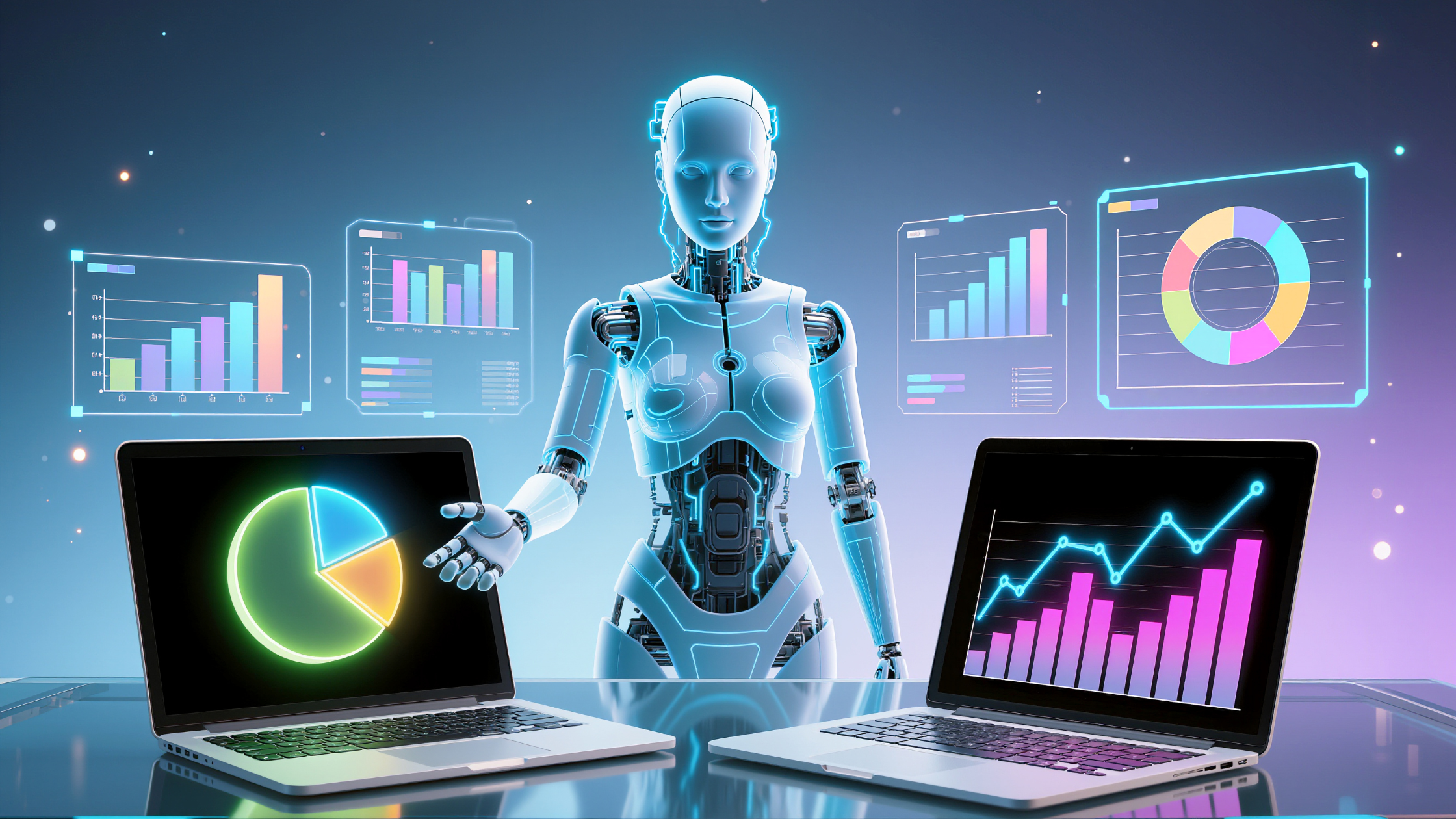
Next, the AI compares everything it has learned to calculate a match score, a ranking that shows how well a candidate fits a particular job.
Modern platforms such as nPloy do this by analyzing not just skills but also company culture, salary preferences, and behavioral patterns. This kind of scoring system allows employers to quickly focus on top matches rather than sorting through hundreds of resumes manually.
d. Machine Learning & Feedback Loops
Finally, AI job matchmakers keep improving through feedback. When candidates accept offers or decline interviews, the system tracks that data and learns from it.
A great example is Mya Systems, whose conversational AI learns from past hiring conversations to fine-tune how it engages with candidates in the future. The more it’s used, the more accurate it becomes at predicting successful matches.
Key Benefits of AI Matchmaking Platforms
AI job matchmakers are changing the hiring game for everyone, job seekers, recruiters, and even entire companies. The beauty of these platforms is how they save time, improve accuracy, and reduce bias all at once.
a. Faster Hiring and Reduced Costs
Traditional hiring can take weeks or even months, but AI-powered matching tools can trim that timeline dramatically. They automatically shortlist candidates who fit the job requirements and company culture, freeing recruiters from repetitive screening.
Companies using tools such as HireVue are already leveraging AI to identify top candidates faster, especially for large-scale hiring where manual review would take forever.
b. Better Quality of Hire
AI job matchmakers go beyond surface-level keywords. They assess skills, career patterns, and behavioural fit using advanced data models. This means candidates are chosen not only because they “look good on paper” but because they’re more likely to perform well and stay longer.
Platforms like Eightfold.ai specialize in this predictive matching, helping organizations see potential in people they might have otherwise overlooked. For job seekers, it’s also a win, they get recommended roles that truly fit their background and aspirations rather than random openings that barely match their profile.
c. Reducing Bias in Hiring
One of the biggest promises of AI in recruitment is fairness. Algorithms can be trained to ignore personal details like gender, age, or race, things that often trigger unconscious human bias.
That said, it’s not perfect (and we’ll talk about that in the next section), but many modern systems use bias detection layers to make hiring more inclusive. For example, Pymetrics uses neuroscience-based assessments and ethical AI to help companies evaluate candidates based on potential rather than pedigree.
This shift doesn’t just make hiring fairer, it also builds more diverse workplaces, which multiple studies, including one from McKinsey & Company, have linked to higher innovation and profitability.
d. Improved Candidate Experience
For job seekers, AI matchmakers mean less ghosting, faster responses, and a more transparent process. Rather than waiting for weeks to hear back, candidates get real-time updates and better insights into why they were or weren’t selected.
Platforms like SmartRecruiters use conversational AI and personalized dashboards to make job searching smoother and less stressful. Candidates can also get nudges about other roles that fit their skills, keeping engagement high even if one opportunity doesn’t work out.
In short, AI matchmakers make hiring feel less like a lottery and more like a guided journey.
Challenges and Ethical Concerns
Of course, no technology is perfect and AI job matching has its own growing pains. As exciting as it sounds, it’s important to understand where the pitfalls lie.
a. Algorithmic Bias
While AI is meant to remove bias, it can unintentionally reinforce it if trained on biased data. If historical hiring data leans toward certain groups, the AI might replicate those patterns. This is one of the major lessons from the Amazon AI hiring experiment, where an algorithm ended up favoring male candidates for technical roles due to biased data inputs.
To counter this, responsible AI platforms now follow ethical AI frameworks, like those outlined by the OECD AI Principles, ensuring fairness, accountability, and transparency.
b. Transparency and Explainability
Another challenge is that many AI systems operate like “black boxes.” Employers see the results but not the reasoning behind them. This can create mistrust or even legal risks if decisions can’t be explained.
Modern solutions such as HireEZ’s explainable AI tools are trying to fix this by showing recruiters why a candidate was matched, giving hiring teams confidence that decisions are grounded in logic, not hidden bias.
c. Data Privacy and Trust
Finally, there’s the question of privacy. AI matchmakers handle massive amounts of personal information, resumes, career histories, even behavioral data. Without strong privacy protections, this data could be misused or leaked.
This is why compliant systems now follow global data protection standards like GDPR and invest in encryption to safeguard candidate data. For job seekers, it’s smart to stick with platforms that clearly outline how they use your data and let you control what’s shared.
The Future of AI Job Matchmaking
The future of hiring is already unfolding and it’s powered by algorithms that understand people better than ever. As technology continues to evolve, AI job matchmakers are becoming more predictive, more personal, and more deeply integrated into the hiring process.
We’re moving toward a world where career journeys will feel more guided than random. Instead of mass-applying to dozens of roles, candidates might rely on personalized AI career assistants that continuously suggest roles aligned with their growth and life goals. Platforms like LinkedIn’s AI career coach are already exploring this, helping professionals get resume feedback, interview practice, and curated job matches in real time.
For companies, this means reimagining recruitment as a living ecosystem — not just posting openings but nurturing long-term relationships with talent. According to Harvard Business Review, firms that integrate AI strategically are building more agile workforces and improving retention rates through data-backed insights.
Another big change on the horizon is cross-industry skill mapping. Tools like Eightfold’s Talent Intelligence Suite already analyze billions of career paths to show how skills transfer between industries. This means a marketer could be matched with a tech-based content role or a teacher could move into a training position in corporate learning, widening the talent pool in ways traditional recruiting could never manage.
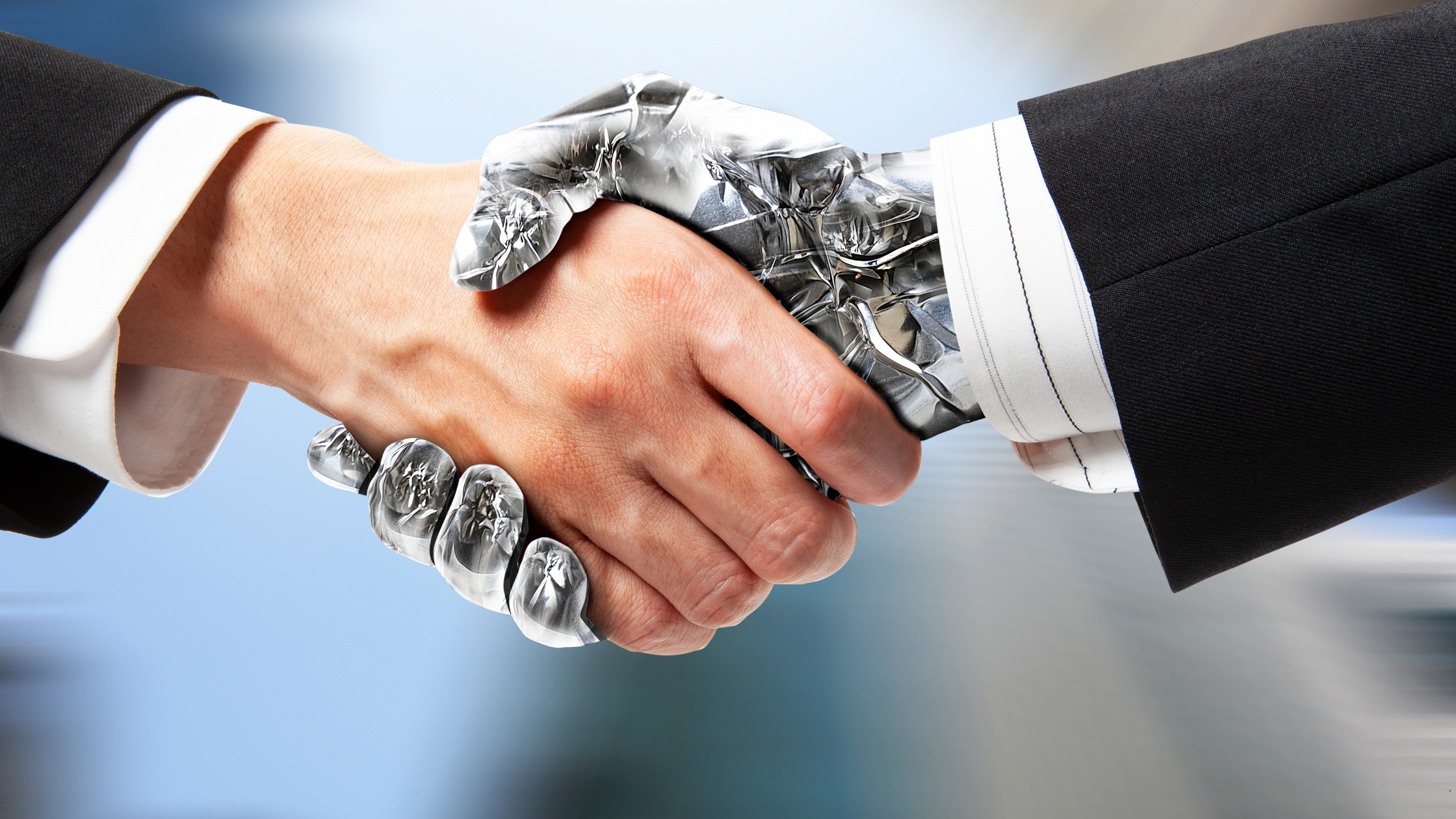
But amid all the innovation, one thing remains key: balance. AI can guide us, but human intuition and empathy will always play a role in making final hiring decisions. The future isn’t AI versus humans, it’s AI and humans together, creating a hiring experience that’s both smart and human-centered.
What Job Matchmakers Are Really Doing
AI job matchmakers are redefining how we connect talent with opportunity. From scanning thousands of resumes in seconds to ensuring fairer, bias-aware hiring, they’re reshaping recruitment into something faster, smarter, and more inclusive.
For job seekers, this means access to roles that genuinely fit your skills and potential, not just what a keyword search decides. For employers, it means finding quality candidates faster while improving diversity and cutting hiring costs.
The key going forward is to use these platforms wisely, combining AI’s precision with human judgment. Because no matter how advanced the algorithms become, hiring will always be about people: their stories, dreams, and potential.
So, whether you’re a job seeker exploring smarter ways to find your next role or a business looking to build stronger teams, now’s the time to embrace the future of recruitment. AI isn’t replacing humans, it’s helping us make better human decisions, faster.
If you’d like to see how AI job matchmakers can help you find better opportunities or smarter hires, check out Anutio’s smart job-matching tools, designed to make every match more meaningful.