Tag: Nigerian Freelancers

  • 13 Top Freelancing Websites for Nigerians to Work with International Clients

    13 Top Freelancing Websites for Nigerians to Work with International Clients

    So, you’re Nigerian and ready to earn in dollars by freelancing?

    You’ve heard the gist. People are making serious money online. From graphic design gigs to ghostwriting eBooks, someone you know just cashed out $500 for what looks like “small work.” Maybe you’ve even tried a few gigs on WhatsApp or Telegram. But now, you want to go global. Real clients. Real cash. Real freedom.

    But is it that easy?

    With the naira constantly dipping and unemployment numbers refusing to blink, freelancing is quickly becoming a lifeline for thousands of Nigerians—students, stay-at-home mums, japa hopefuls, and even 9–5 workers juggling a second hustle. And it’s not just about the dollar exchange rate (though let’s be honest. That’s a big motivation). Freelancing offers something rare: flexibility, global access, and the chance to build a career from your bedroom.

    Still, it’s not all smooth sailing. From platforms that block Nigerians, to payment restrictions, to fake clients and burnt-out freelancers, the opportunity comes with real risks. That’s why this blog isn’t another random list of “Top 10 Freelance Sites.” We’ve built this guide specifically for Nigerians navigating the freelance space in 2025.

    Here’s what you’ll learn:

    • The 13 best freelancing platforms that actually work for Nigerians today
    • How to receive payments in dollars (even without PayPal)
    • What legal, banking, and tax concerns you should know
    • Which niches are booming for Nigerians and how to break in
    • Smart tools and real-world tips to help you stand out
    • And how Anutio helps you freelance smarter, not harder

    Whether you’re starting from scratch or looking to scale, this guide has your back—with insights grounded in the Nigerian reality.

    Related: Rethinking Talent: How Freelancing and Flexible Work Shape the Future of Workforce Strategy

    What Makes a Freelancing Platform Ideal for Nigerians?

    1. Payout Options: PayPal Restrictions, Payoneer, Crypto, and Domiciliary Accounts

    Getting paid is one of the biggest challenges Nigerian freelancers face. Many global clients prefer PayPal, but Nigeria isn’t fully supported. That leaves alternatives:

    • Payoneer: Reliable and widely accepted, especially on platforms like Fiverr and Upwork. Connects to Nigerian bank accounts.
    • Crypto: Increasingly popular for direct client work. Consider stablecoins like USDT on Binance or Coinbase.
    • Domiciliary accounts: Great for direct dollar deposits. Platforms like Freelancer.com and Toptal allow wire transfers directly into dom accounts.

    2. Ease of Entry: Low Barrier vs. Portfolio-Heavy Platforms

    Some platforms are beginner-friendly, while others demand strong portfolios.

    • Beginner-friendly: Fiverr, Freelancer, PeoplePerHour.
    • Experienced freelancers: Toptal, Guru, FlexJobs—require past work samples, interviews, or skill tests.

    Choose based on your current level.

    3. Skill Demand: Where Are Nigerians Thriving?

    High-demand skills for Nigerian freelancers include:

    • Tech: Web/app dev, QA testing, WordPress.
    • Writing: SEO blog posts, ghostwriting, technical writing.
    • Design: Brand kits, UI/UX, Canva templates.
    • Virtual Assistance & Data Entry: Email management, scheduling, spreadsheets.
    • Consulting: Especially for digital marketing, DEI, HR, and career coaching.

    Other things to consider before taking a step

    1. Client Quality + Platform Credibility

    You want platforms that filter spammy clients and pay on time.

    • Top-tier platforms: Toptal, Upwork (Pro clients), FlexJobs.
    • Middle-tier: Fiverr (once your profile grows), We Work Remotely.
    • Avoid red flags: Platforms without escrow or verified reviews.

    2. Pros and Cons: It’s Not Just About the Money

    Pros:

    • Earn in stronger currencies
    • Set your schedule
    • Work with global teams

    Cons:

    • Payment bottlenecks
    • Platform discrimination
    • Loneliness, inconsistency, burnout

    3. How Anutio Helps

    Anutio isn’t a freelance platform, but it connects Nigerians with:

    • Global projects from trusted brands
    • Career prep tools (portfolio reviews, resume editing)
    • Smart job matching

    The 13 Best Freelancing Sites for Nigerians (Ranked & Reviewed)

    1. Upwork
    Upwork is one of the world’s largest freelancing marketplaces, connecting skilled professionals with global clients across diverse industries. It operates on a project-based and hourly structure, allowing freelancers to bid for jobs or receive invites based on their profile strength and job fit. From software development to customer support, Upwork is built for serious freelancers aiming to build long-term relationships with clients.

    Why It Stands Out for Nigerians:

    Upwork supports verified Payoneer and domiciliary account withdrawals, which makes it relatively accessible despite PayPal restrictions in Nigeria. The platform’s structured client-review system also helps legitimize your work history, crucial for building international credibility.

    Anutio Tip:

    Start with entry-level gigs in your skill area to earn reviews, then gradually bid on higher-paying jobs. Use Anutio to identify which in-demand skills are currently hot on Upwork—this helps you niche smartly and match with real opportunities. Also create a niche gig profile and use the “specialized profile” option.

    • Signup Requirements: Profile approval, connects system
    • Payout Systems: Payoneer, direct bank, dom account
    • Why It’s Great: Global clients, structured workflow
    • Limitations: High competition, proposal costs.

    2. Fiverr
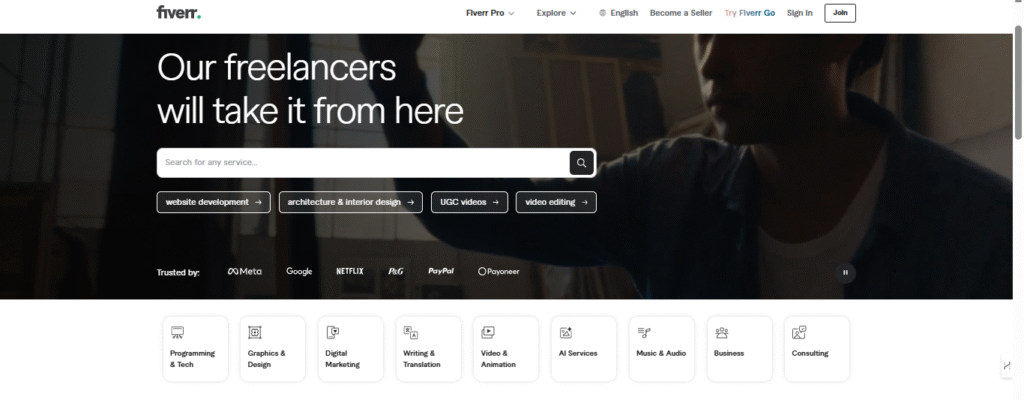
    Fiverr is a gig-based freelancing platform where freelancers (called “sellers”) offer services (“gigs”) at fixed prices starting at $5. It’s perfect for creatives, digital marketers, voice-over artists, and tech professionals who want to package their skills into clear, ready-to-purchase offerings.

    Why It Stands Out for Nigerians:
    Fiverr has a relatively low barrier to entry and favors freelancers who know how to market their gigs well through visuals, SEO keywords, and excellent client communication. Payout options include Payoneer, which is Nigeria-friendly, and the platform handles client acquisition for you—perfect for beginners.

    Anutio Tip:
    Use local insights to niche down—e.g., offer Afrobeat lyric videos, CV redesigns for Canadian jobs, or Yoruba-English transcription. Optimize gig titles with keywords Nigerians search for (e.g. “CV writing for Nigerian professionals abroad”).

    • Signup Requirements: Easy to start, profile + gig creation
    • Payout Systems: Payoneer, bank transfer, crypto via third parties
    • Why It’s Great: No proposals, passive gigs
    • Limitations: Fiverr takes 20%, requires SEO effort

    3. Toptal
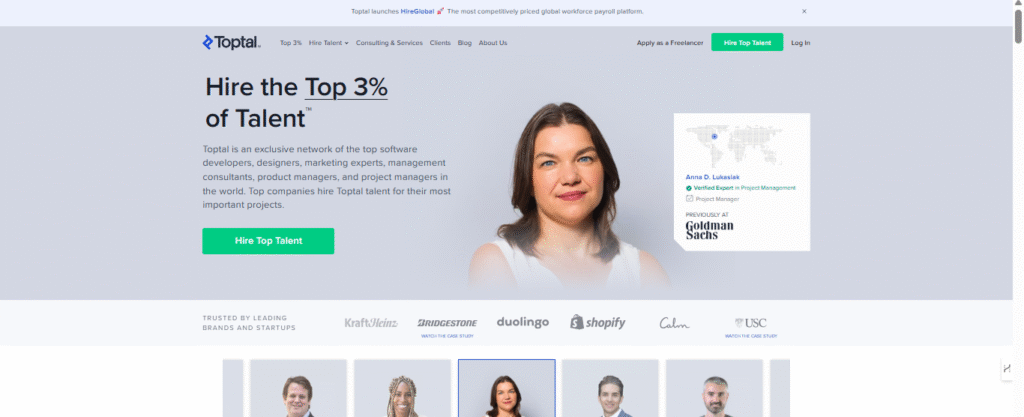
    Toptal (short for “Top Talent”) is a high-end freelancing network that connects elite freelancers—mainly in tech, finance, and design—with Fortune 500 companies and startups. It boasts a rigorous screening process that accepts only the top 3% of applicants globally.

    Why It Stands Out for Nigerians:
    While Toptal has a steep entry barrier, it’s a goldmine for highly skilled Nigerian developers, designers, and finance consultants seeking long-term, well-paid, remote contracts. The clients are top-tier, and the payout process supports Nigerian-friendly methods like Payoneer.

    Anutio Tip:
    Before applying, refine your portfolio and prepare for multiple test stages. Anutio can help you assess whether your current skill level matches Toptal’s requirements and what to strengthen first. Use Anutio’s Career Map to review your resume before applying.

    • Signup Requirements: Multiple rounds of vetting, test projects
    • Payout Systems: Wire transfer, Payoneer
    • Why It’s Great: High pay, elite clients
    • Limitations: Extremely selective

    4. PeoplePerHour
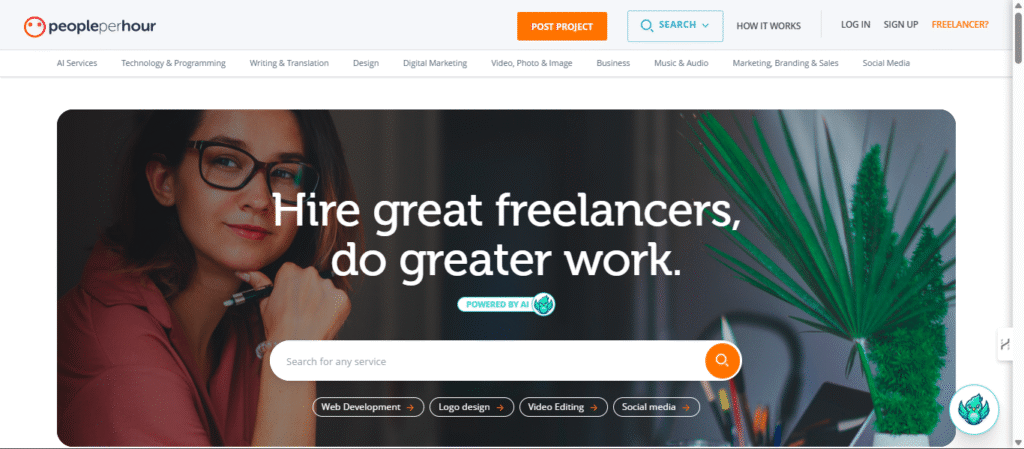
    PeoplePerHour connects freelancers with clients on a project or hourly basis. It offers two paths: respond to job posts or create “Hourlies”—predefined service packages (similar to Fiverr gigs). It’s ideal for designers, writers, marketers, and coders.

    Why It Stands Out for Nigerians:
    The platform supports Payoneer, making withdrawals from Nigeria seamless. It’s also popular in Europe, so if you’re targeting clients in the UK or Germany, this is a great platform to build credibility.

    Anutio Tip:
    Use local trends (like Nigerian-themed branding or voiceovers) to stand out. Add local Nigerian context to your gig descriptions to attract diaspora clients.

    • Signup Requirements: Detailed profile submission and approval process (not all applicants are accepted). Portfolio and identity verification recommended
    • Payout Systems: Payoneer, Skrill, direct bank
    • Why It’s Great: Less competitive than Upwork
    • Limitations: Profile approvals are getting more competitive. You might need to apply multiple times or optimize your profile before approval

    5. Freelancer.com
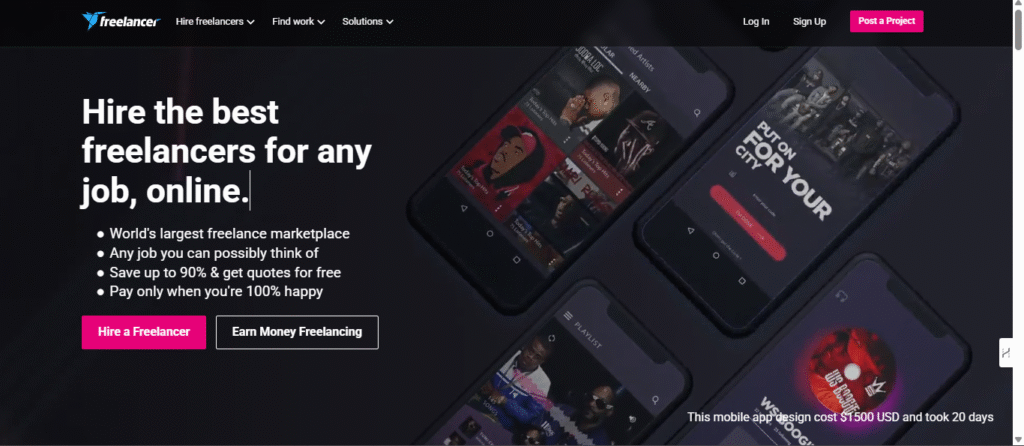
    Freelancer.com is one of the oldest and most diverse freelancing platforms, hosting millions of jobs across industries like software, data entry, design, and engineering. It operates on a bidding system where freelancers compete for listed projects, and also offers contests for creative fields.

    Why It Stands Out for Nigerians:
    With global clients constantly posting jobs, Nigerians can land gigs in niches like writing, data entry, and digital marketing. The platform supports Payoneer and wire transfers, bypassing the PayPal roadblock. It’s also relatively beginner-friendly, though competition can be intense.

    Anutio Tip:
    Focus on quick-win jobs or contests to build a review base fast. Filter for verified employers only.

    • Signup Requirements: Basic profile setup, identity verification, and connecting a payment method
    • Payout Systems: Wire, PayPal, Skrill
    • Why It’s Great: Beginner-friendly
    • Limitations: Scammy clients, high service fees and intense bidding competition. Free accounts have limited bids, which may hinder visibility.

    6. Guru

    Guru is a flexible freelance platform best suited for experienced professionals in writing, IT, engineering, sales, and design. Its WorkRoom tool makes team collaboration and milestone tracking very efficient for long-term contracts.

    Why It Stands Out for Nigerians:
    Guru allows freelancers to quote on jobs with either a fixed rate or hourly model. It also integrates with Payoneer and wire transfers, making it accessible to Nigerians. Its vetting system helps weed out low-quality clients, which protects freelancers from scams.

    Anutio Tip:
    Guru favors niche experts—target industry-specific jobs and do keyword research to update your profile to meet exact job matches. Use Guru for retainer clients vs. one-offs.

    • Signup Requirements: Professional profile, verification of skills, portfolio (optional but recommended)
    • Payout Systems: Payoneer, wire transfer, direct bank deposit (no PayPal support for Nigerians)
    • Why It’s Great: Multiple payment options
    • Limitations: It’s less popular than Upwork or Fiverr, so there may be fewer gigs. Freelancers must also pay for monthly plans to unlock more bidding features

    7. We Work Remotely
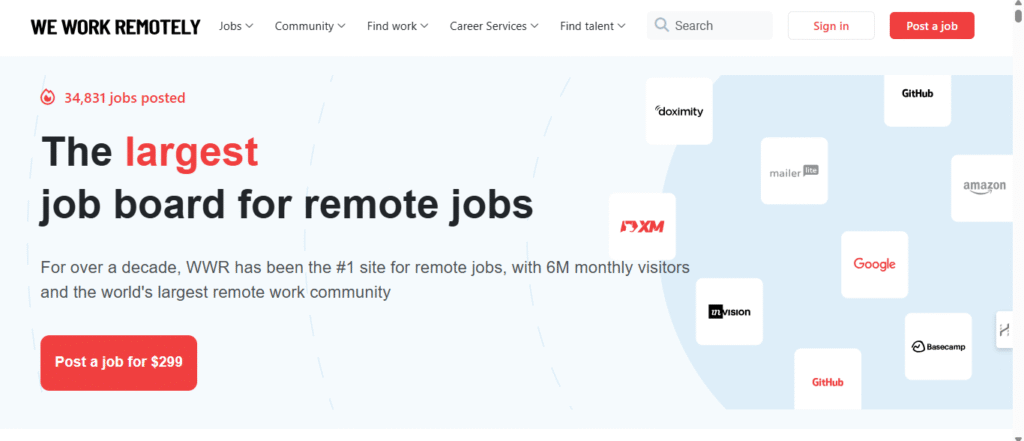
    WWR is a premium job board known for curating full-time and part-time remote jobs in design, marketing, programming, customer service, and more. It’s a favorite among startups and mid-sized companies offering long-term roles.

    Why It Stands Out for Nigerians:
    You apply directly to companies, often without intermediaries or competition with 100+ bids. These are jobs, not gigs—great for Nigerians seeking consistent freelance or contract income. The jobs here pay well and come from credible companies.

    Anutio Tip:
    Always personalize your application—generic pitches won’t work here.

    • Signup Requirements: No sign-up needed. Most applications are via direct email, form, or company career pages
    • Payout Systems: Determined by the employer—many support Payoneer or international wire transfers
    • Why It’s Great: Premium remote clients
    • Limitations: High standards and job descriptions may require international-level experience. Tech skills are in higher demand than creative ones

    8. Remote OK
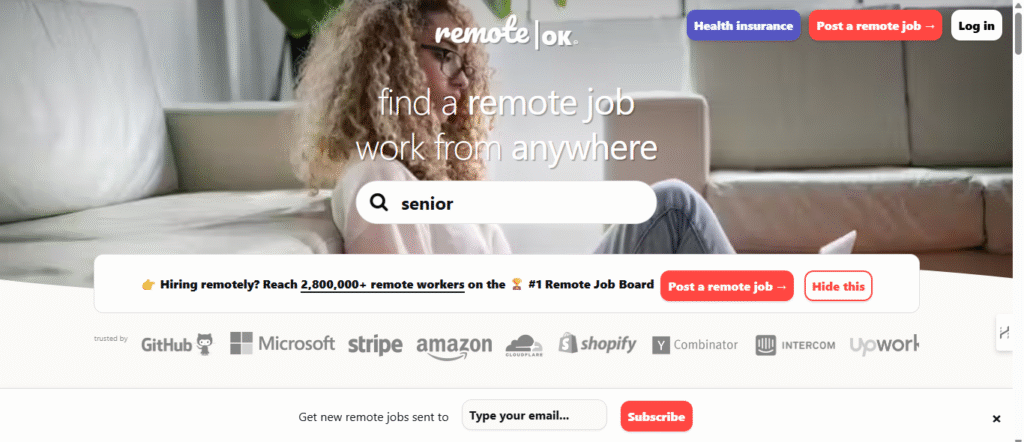
    RemoteOK is a job board—not a traditional freelancing marketplace—that lists remote jobs from companies worldwide, especially in tech, customer support, marketing, and product management. Freelancers can apply directly to companies hiring globally.

    Why It Stands Out for Nigerians:
    No bidding wars! You apply directly to companies that are already hiring remote talent. Many job posts are high-quality with clear salary ranges and benefits. Some listings are even crypto-friendly or asynchronous, perfect for Nigeria’s time zone.

    Anutio Tip:
    Pair your RemoteOK search with a polished CV and GitHub or Behance portfolio. Also, a Turn on daily alerts for new postings in your niche.

    • Signup Requirements: No account needed to browse; some employers require resumes, portfolios, or GitHub profiles
    • Payout Systems: Varies by employer—many pay via Payoneer, crypto, or direct deposit.
    • Why It’s Great: Newer roles, low competition
    • Limitations: No internal client protection like Upwork; job volume for non-tech roles is limited

    9. Truelancer
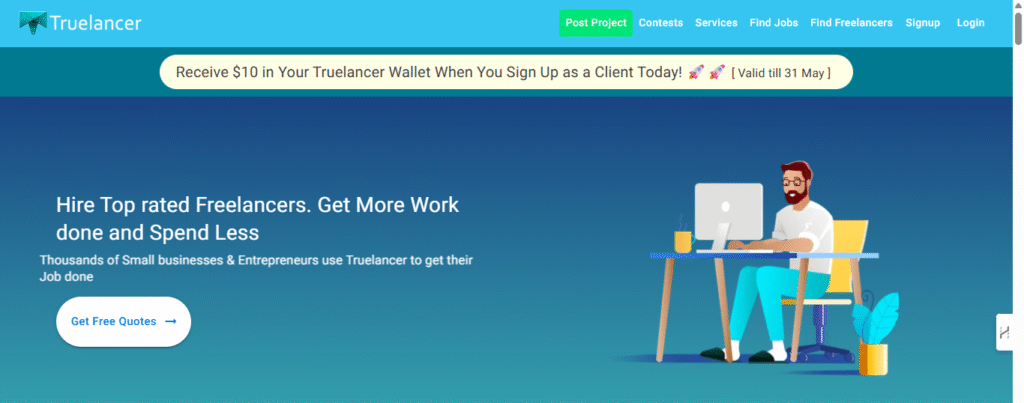
    Truelancer is an India-based freelancing platform growing in popularity across Africa. It features jobs in development, design, writing, support, and admin. It offers hourly, fixed, and part-time projects, many from small business clients.

    Why It Stands Out for Nigerians:
    It’s less saturated than Fiverr or Upwork, so new freelancers stand a better chance. It also supports crypto payouts and Payoneer—two key payout options in Nigeria.

    Anutio Tip:
    Focus on international jobs or clients hiring for ongoing support tasks. Use Truelancer for small gigs to build reviews.

    • Signup Requirements: Quick sign-up with optional identity verification. Portfolios and skill tests help you stand out
    • Payout Systems: Payoneer, crypto, wire transfer
    • Why It’s Great: Less saturated
    • Limitations: Some job budgets are low due to its Asian base. You must filter carefully to avoid underpaid gigs

    10. SolidGigs
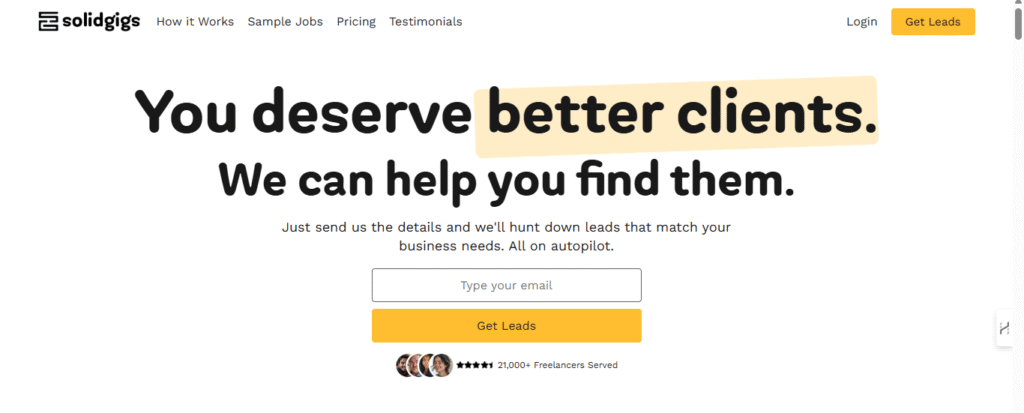
    SolidGigs isn’t a traditional freelance marketplace—it’s a curated lead generation service. Instead of browsing job boards all day, SolidGigs handpicks the top 1% of freelance gigs from across the web and sends them straight to your inbox weekly. It’s ideal for experienced freelancers who want to save time and focus on closing deals.

    Why It Stands Out for Nigerians:
    No bidding wars. You’re not competing with thousands of freelancers—just applying directly to curated leads. It’s a time-saver for Nigerian freelancers with a clear niche and solid portfolio, especially in content writing, SaaS marketing, and design.

    • Signup Requirements: No client-side profile required. Simply subscribe (paid monthly) to receive leads. You’ll need a strong pitch, resume, and/or portfolio to land gigs
    • Payout Systems: Payment is handled off-platform—through the client directly. Most clients pay via Payoneer, PayPal, or Wise
    • Why It’s Great: Saves time, high-quality gigs
    • Limitations: There’s a monthly subscription fee (~$19), and it’s best for freelancers who already have clarity, confidence, and conversion-ready portfolios

    11. Workana
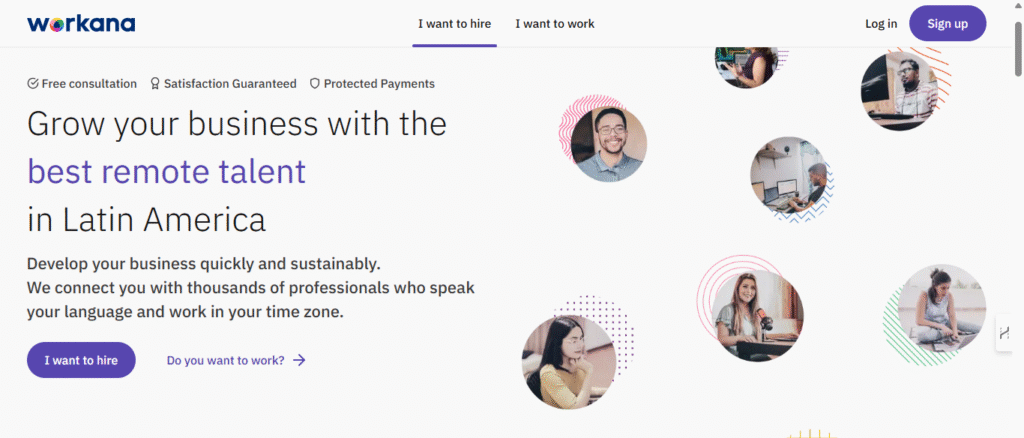
    Workana is a Latin America–based freelancing platform that’s expanding into Africa and Asia. It supports long-term remote contracts and one-off gigs across marketing, IT, admin, writing, and translation. It’s structured similarly to Upwork, with a bidding model and a client feedback system.

    Why It Stands Out for Nigerians:
    Workana actively promotes remote hiring in Africa and supports payout methods accessible in Nigeria. It’s ideal for bilingual freelancers and those offering remote assistance, copywriting, or entry-level development.

    Anutio Tip:
    Translate your pitch using DeepL and target English-speaking clients.

    • Signup Requirements: Create a profile, verify email, and bid on projects. Optional: upload portfolio and complete skills tests
    • Payout Systems: Payoneer, bank transfer, and crypto via third-party wallets
    • Why It’s Great: International demand
    • Limitations: Most projects are in Spanish or Portuguese. However, English-speaking roles are growing. Budget rates can be lower than Western platforms

    12. FlexJobs
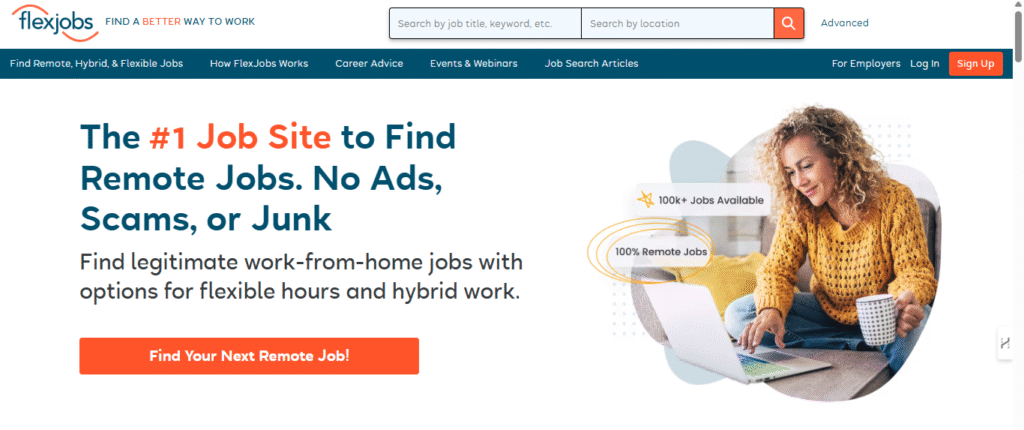
    FlexJobs is a premium remote work and freelance job board that curates flexible, part-time, full-time, and project-based roles in 50+ career fields. Every job is screened for legitimacy—making it one of the safest platforms for global freelancers.

    Why It Stands Out for Nigerians:
    If you want serious freelance roles from Fortune 500s, nonprofits, and startups—this is your hub. Nigerian freelancers can find jobs in marketing, customer service, tech support, transcription, and more. Many companies on FlexJobs support global remote hiring.

    Anutio Tip:
    Create a search filter cheat sheet for FlexJobs so you only see roles that mention “remote international” or “global contractor.” This saves hours every week.

    • Signup Requirements: Subscription required (plans from $2.95/week to $49/year). No bidding. Just apply directly
    • Payout Systems: Handled by employer; often Payoneer, Wise, or direct bank transfers
    • Why It’s Great: Scam-free listings
    • Limitations: It’s not free, and not all employers hire globally. Carefully review listings to confirm eligibility for Nigeria-based freelancers

    13. Latium
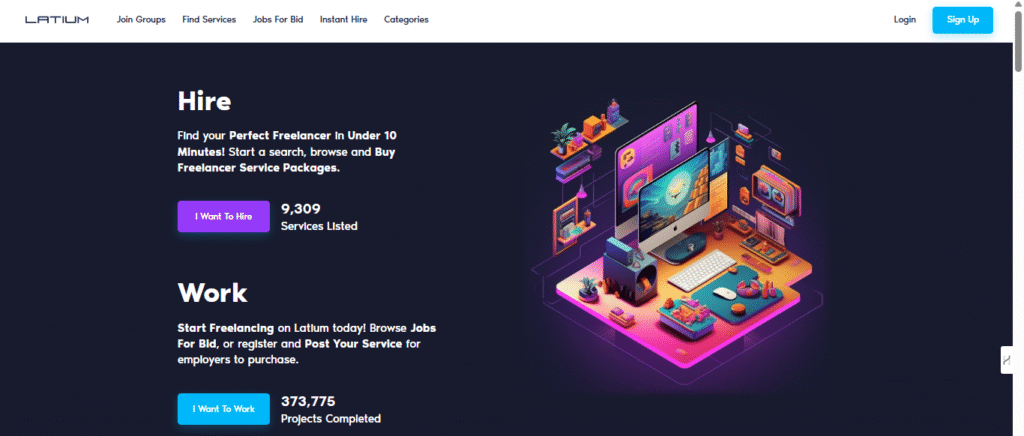
    Latium is a crypto-powered freelancing platform designed for microtasks, creative projects, and technical gigs. It’s like Fiverr but powered by blockchain tech. Clients post jobs and pay in cryptocurrency (mainly USDT, BTC, ETH), though fiat payments are also possible.

    Why It Stands Out for Nigerians:
    For tech-savvy freelancers and crypto enthusiasts in Nigeria, Latium is a goldmine. It bypasses traditional banking limitations. Jobs range from graphic design and translation to NFT design and web dev.

    Anutio Tip:
    Don’t just apply—create custom crypto-themed packages (e.g., NFT avatar design or Web3 copywriting). Cash out via stablecoins and transfer to Binance or Luno in naira.

    • Signup Requirements: Sign up, complete profile, crypto wallet recommended (Metamask or Latium Wallet), and apply for tasks
    • Payout Systems: Crypto (USDT, ETH, BTC) or fiat via integrated payment gateways. No need for PayPal or Payoneer
    • Why It’s Great: Great for Web3 enthusiasts
    • Limitations: Volatility of crypto payouts. Also, not ideal for freelancers unfamiliar with digital wallets and blockchain basics

    How to Choose the Right Freelance Platform for Your Skills

    Not all freelance platforms are created equal. Some are ideal for beginners testing the waters. Others are competitive, high-paying arenas for seasoned pros. The key is choosing a platform that matches your skill level, industry, and freelance goals.

    First, Ask Yourself:

    • Are you just starting out, or do you have a portfolio?
    • Do you prefer one-off gigs or long-term contracts?
    • Do you want fast cash, experience, or reputation building?
    • Are you in a “figuring-it-out” phase or deeply specialized?

    Let’s break it down by category and find you the best fit.

    Beginner Freelancers: Gaining Experience, Testing Skills

    Best for:

    • Entry-level creatives, admin support, data entry, virtual assistants, student freelancers, and those without a portfolio.

    Recommended Platforms:

    • Fiverr: Start simple. Sell specific services (e.g., “I’ll design your event flyer”) and build ratings fast.
    • PeoplePerHour: Less competitive than Upwork, good for small gigs and local-style jobs.
    • Latium: Microtasks and crypto gigs—great for building confidence and earnings simultaneously.
    • Freelancer.com: Easy to join, plenty of entry-level projects in multiple categories.

    Intermediate Freelancers: Some Experience, Ready to Grow

    Best for:

    • Freelancers with 6–18 months of experience, some client work, and a semi-polished portfolio.
    • Roles: Graphic designers, frontend developers, content writers, translators, VA specialists.

    Recommended Platforms:

    • Upwork: Great for scaling up, especially if you can position yourself with a niche (e.g., eCommerce VA, B2B content writer).
    • Workana: Strong for remote contract work across Latin America, now expanding in Africa.
    • FlexJobs: Ideal if you’re targeting part-time or freelance work with established companies.
    • SolidGigs: For freelancers who prefer to apply to curated, high-quality leads.

    Advanced Freelancers: Specialists, Consultants, High Earners

    Best for:

    • Highly skilled freelancers with a strong portfolio, confident communication, and niche authority.
    • Roles: Senior developers, SaaS writers, UX researchers, business consultants, legal advisors.

    Recommended Platforms:

    • Toptal: Elite network—apply only if you can pass rigorous screening (ideal for devs, designers, finance experts).
    • SolidGigs: You don’t waste time searching. You get top-quality leads to pitch.
    • We Work Remotely / Remote OK: Best for job-style freelancing or remote roles in tech and product.

    Still Figuring It Out? No Problem.

    You don’t need everything figured out to start. Some platforms are ideal for exploring, experimenting, and learning while earning.

    Recommended Platforms:

    • Freelancer.com: Try different project types.
    • Latium: Microtasks to test your interest in design, writing, or marketing.
    • Workana: Access flexible contracts while finding your niche.

    Before you Join a Platform, Do This:

    • Audit your skills. Use Anutio’s free “Career Map” to find ideal niches for your abilities.
    • Set a micro-goal. e.g., “I want 1 client review in 2 weeks.”
    • Polish your pitch. Even one strong portfolio item + a bold introduction can land you gigs faster than a cluttered, unfocused profile.

    BONUS SECTION: Quick Start Guide

    How to Get Your First Freelance Client in 30 Days (Even If You’re Starting From Scratch)

    Getting started doesn’t have to be confusing. You don’t need a fancy website, massive portfolio, or 5 years of experience. What you need is focused action—and consistency. Here’s your step-by-step 30-day plan to land your first paying client.

    Step 1: Choose Your Battlefield (Day 1–2)

    Pick just 1–2 freelance platforms. Don’t scatter your energy. (Check what platform works for you in the previous section).

    Step 2: Build a Basic Portfolio (Day 3–5)

    No client yet? No problem. Create 2–3 mock samples to show what you can do.

    âś… Use Canva to design:
    – Instagram carousels
    – Blog headers
    – Resumes
    – Brand kits

    âś… Use Notion to build:
    – A free portfolio page
    – Case study layout
    – Service menu

    Keep it simple. Quality over clutter. Make it look clean and confident.

    Step 3: Join the Freelance Hustle Circles (Day 6–10)

    Find where your future clients and fellow freelancers hang out.

    🔥 Join these:

    Observe. Introduce yourself. Offer value before you pitch. And follow daily job posts.

    Step 4: Start Pitching Daily (Day 11–29)

    This is where magic happens.

    đź“‚ Save 3 pitch templates:

    • One for Upwork proposals
    • One for email outreach
    • One for cold DMs on LinkedIn or Twitter

    Pitch every day. Minimum 3–5 per day.
    Track it. Refine it. Don’t wait for perfect.

    🪄 Sample pitch opener:

    “Hi [Client Name], I saw your need for a [service] and I’ve helped brands like yours with results-driven solutions. Would you like a free mini sample?”

    Step 5: Use a 30-Day Client Tracker (Free Download)

    Stay on track. Don’t ghost your own goals.

    Your 30-Day Client Tracker Includes:

    • Daily pitch log
    • Follow-up reminders
    • Notes on what’s working
    • Platforms to prioritize
    • Wins, feedback, and client leads

    📥 [CTA: Download the Anutio 30-Day Client Tracker]

    Use this tracker to turn actions into patterns—and patterns into paid clients.

    Day 30: Celebrate + Reflect

    Even if you don’t land a big client yet, here’s what you will have:

    • A strong online presence
    • Sample work ready to showcase
    • Pitching experience
    • Real platform familiarity
    • Possible referrals or trials

    And most importantly: Momentum.

    Freelancing isn’t just another side hustle buzzword or a Gen Z escape route. It’s a full-blown transformation of how work happens across the world. From Enugu to Edmonton, Ibadan to Berlin, skilled Nigerians are plugging into global opportunities—and getting paid in strong currencies to do what they love.

    But success doesn’t happen by chance. It happens when you prepare intentionally, choose smart platforms, and show up consistently.

    Whether you’re just figuring things out, or ready to pitch clients from Day 1, remember this:
    You don’t need to know everything to start. You just need to start with what you know.


    But also be prepared:

    • Track your progress (start with our free tracker!)
    • Set up your payouts
    • Learn your freelance rights and responsibilities
    • Find your niche
    • Build a mini-portfolio
  • Understanding the Job Market in Toronto: Opportunities and Challenges

    Understanding the Job Market in Toronto: Opportunities and Challenges

    A friend of mine landed in Toronto recently, full of hope. She had two degrees, polished her resume, and started applying on the very first day. By the end of the week? Nothing but auto-replies. You know the ones, “Thanks for applying, but…”

    She was shocked. She kept asking me, “Why is it so hard to get a response when I know I’m qualified?”

    Here’s the thing no one really tells you until you’re already frustrated: The Toronto job market isn’t broken, but it does have layers. And if you don’t know how to navigate them, especially as a newcomer, you end up feeling invisible.

    Not to hand you the usual “apply through LinkedIn or Indeed” advice (which works, but only 10% of the time), in this blog, we will be showing you the real structure of the market. The unspoken norms. The referral-first culture. The timing tricks, the startup shortcuts, and the survival mindset that help you thrive when you’re not born into the network.

    Toronto Employment View

    A. Top Hiring Sectors & Growth Areas

    Toronto is still one of the most opportunity-rich cities in North America, but you need to know where to look. The industries hiring right now aren’t always the ones we assume.

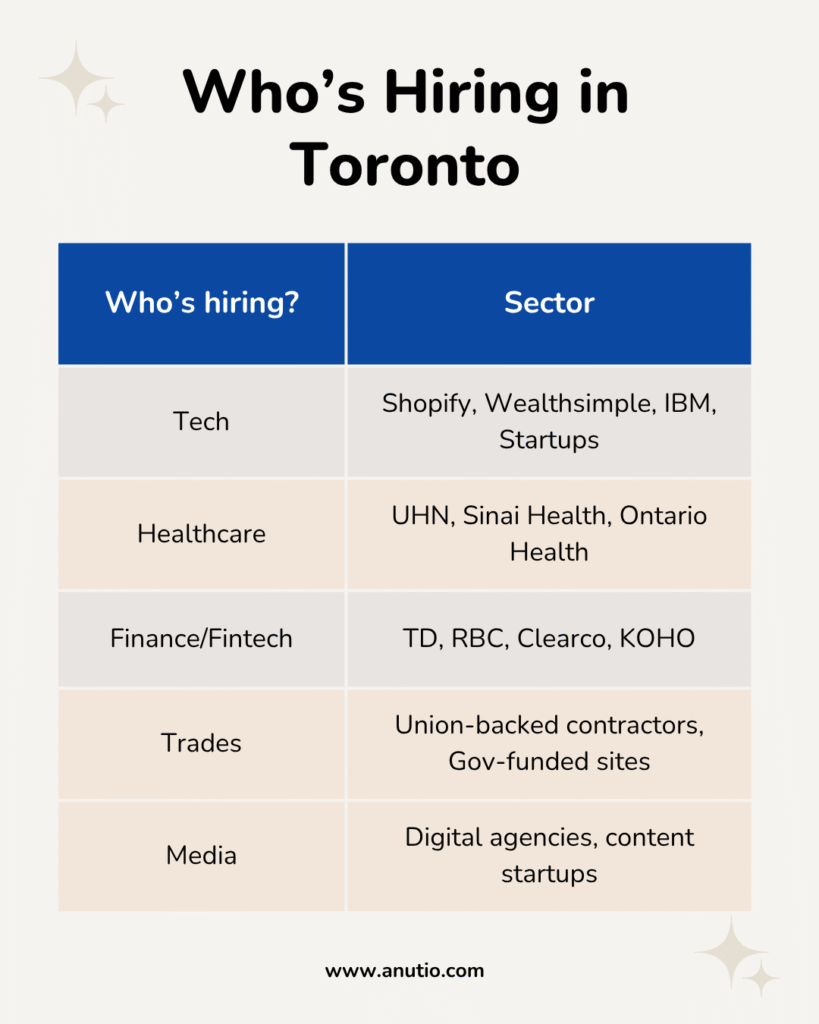
    Here are the sectors pulling in talent across the board:

    Tech

    From AI startups to global giants like Shopify, Microsoft, and Google’s Sidewalk Labs (RIP but replaced), tech is booming. The city’s tech workforce has grown by over 40% in the last five years, and demand hasn’t slowed.
    Roles in:

    • Cloud infrastructure
    • Data engineering
    • AI/ML
    • DevOps
    • Frontend + backend (React, Node, Python, Go)

    Healthcare

    Post-COVID, Toronto’s health sector is hiring constantly, especially:

    • Nurses
    • PSWs
    • Lab techs
    • Health informatics experts (if you’ve got tech + healthcare, jackpot)

    Finance & Fintech

    Bay Street may look old-school, but fintech startups are popping up weekly.

    • Financial analysts
    • Risk & compliance
    • Data-heavy roles in blockchain, credit scoring, and lending platforms

    Skilled Trades

    Electricians, HVAC technicians, plumbers, and construction supervisors are consistently in demand.
    And yes, these jobs pay very well, often better than entry-level office roles.

    Creative + Digital Media

    Digital marketing, UX/UI, video content, and paid media specialists are in high demand, especially at agencies, e-commerce companies, and small businesses.

    Quick breakdown:

    B. Hiring Cycles & Seasonality

    Timing can make or break your job search.

    Peak hiring months:

    • January to March – budgets reset, new roles open
    • September to early November – post-summer rush to fill roles before year-end

    Slow periods:

    • Summer (July–Aug) – people are on vacation, hiring slows
    • Mid-November to December – companies wind down for the holidays

    Recruiters on Quora mention they’re less responsive during slow seasons, not because you’re unqualified, but because internal processes slow down or freeze. Use those quiet months to prep.

    • Redo your resume
    • Build projects
    • Grow your LinkedIn
    • Do informational interviews (people have more time!)

    C. The Education vs. Skills Debate

    In Toronto, your degree will get your foot in the door, but it won’t get you the job. You’ll find dozens of posts from international grads and immigrants saying:

    “I have a Master’s, and I still couldn’t get interviews.”
    “Local employers keep asking for experience, not just education.”

    But here’s what employers care more about:

    • Local experience
    • Portfolio or project outcomes
    • Communication and cultural fit
    • Soft skills: time management, teamwork, problem-solving
    • Your ability to jump in and contribute immediately

    They want proof that you can work, not just study. That means:

    • Volunteer or freelance work counts
    • Open-source contributions help
    • Side projects can tip the scale
    • Certifications with practical projects matter more than long lists of degrees

    Don’t lead with your education. Lead with what you’ve done. Then let your education support it.

    Challenges for Immigrants & International Graduates

    Moving to Toronto and arriving with diplomas from back home? You’re in great company. But here’s the reality: it’s not always smooth.

    A. Credential Recognition

    First off: those shiny overseas degrees often don’t carry the same weight here.
    HR managers and recruiters see a University of Toronto diploma, and they get it. A degree from elsewhere? They may need convincing.

    What to do:

    • Use credential evaluators like WES or ICES right away. That gives your resume context.
    • Include phrases like “Canadian-equivalent education” once your evaluation arrives.
    • Add any local short courses—bootcamps, Certs, microcredentials—to reinforce that you’re current.

    B. The Experience Paradox

    You need Canadian experience to get a job, but you need a job to get Canadian experience. Right?

    What works is strategic:

    • Volunteering with organisations—like HackTO, local charities, even school tech clubs—counts.
    • Internships, even unpaid or contract, open doors.
    • Short-term freelance projects that solve local problems? Gold.

    These help you list “Toronto experience” on your LinkedIn and resume. HR will take a second look.

    C. Overcoming Bias & Building Networks

    Even with the right credentials, it’s harder to break in without connections.
    You may face accents, communication style differences, or cultural misunderstandings. That’s not on you, it’s a system issue. What matters is how you adapt.

    Pro tips from immigrants on Quora and Reddit:

    • Speak clearly, even if you’re not 100% accent-free.
    • Show cultural curiosity—understand Canadian workplace norms (meetings, email tone, etiquette).
    • Be proactive: ask for coffee chats rather than a cold application.
    • LinkedIn and Slack active participation = visibility and referrals.

    Hiring managers often say they’re looking for adaptability and coachability. Show that you can “flip the switch” by understanding local expectations.

    D. Licensing & Regulation

    If you’re a nurse, teacher, accountant, or in finance, don’t underestimate the licensing piece. It can take months or even years.

    Action plan:

    • Start early with bridging programs (like Ryerson for teachers or CNA for finance)
    • Look for accelerated streams—they exist, though harder to find
    • If you’re in education, get your letter from the Ontario Teachers’ Federation
    • Healthcare workers—consider bridging roles or PSW work first

    The faster you qualify, the sooner you can actually work in that field.

    Toronto’s Hidden Job Market

    You’ve probably applied to 100 postings already. Still nothing. That’s because 70–80% of jobs are never public; they live in networks and communities.

    A. Referral & Community-Based Hiring

    Most Canadian hires happen via referrals or internal hires. Companies are safer hiring someone people already vouch for.

    How to tap in:

    • Go to local meetups—TechTO (tech), charity boards, even fitness events with entrepreneurs
    • Slack/Discord communities for Toronto tech groups—they’re gold
    • Start with comment engagement. Then ask for an intro, share a project, and build trust

    B. Personal Branding in Toronto

    Here’s the difference between good candidates and great ones: visibility.
    A filled-in “About” section on LinkedIn that includes your city, a friendly headshot, and your current learning projects? That’s how recruiters find you.

    Feature:

    • Projects with local context
    • Volunteer roles in your communities
    • Hackathon + open source contributions

    Toronto employers love seeing you plugging into the ecosystem.

    C. Targeted Networking

    Sending resumes to jobs@ is easy, but it rarely works. Instead, focus on strategic networking:

    • Alumni associations—from your alma mater or bootcamp often host events in Toronto.
    • Professional associations like CPA Ontario or PMINTO host free or low-cost sessions.
    • Lean into professional seminars and workshops—even virtual ones can be Toronto-only.

    Goal: meet someone who can vouch for your fit. A real human, not a bot.

    Opportunities in High‑Demand Sectors

    Toronto’s not just big, it’s diverse. Let’s break down the industries that offer real chances, and how YOU can get in.

    A. Tech & Startups

    The tech landscape here is booming. From massive players to AI and green-tech startups, opportunities are everywhere.

    What’s hot right now:

    • Cloud and DevOps: AWS, Azure, GCP skills in massive demand
    • AI/ML/Data: massive infrastructure and analytics teams at Shopify, DeepMind
    • Full-stack (Node, React, Python): Startups love someone who can cover both ends

    Why startups are worth attention:

    • Less rigid titles “developer” might mean working on design, infrastructure, or user interviews
    • Grants and incentives (like IRAP and SR&ED) push startups to hire quickly

    Insider advice:

    • Look up startups funded in the last 2 years—these are in growth mode
    • Mention familiarity with grant programs in your applications
    • Your freelance or side project work absolutely counts here—show it off as applicable experience

    B. Healthcare & Wellness

    Toronto’s health scene is hiring for both traditional and emerging roles:

    • Nursing, PSWs, Lab Technicians—high demand continues post-COVID
    • Health Informatics—beautiful blend of healthcare + data (expect C$70K–C$100K)

    Strategy tip:

    • If you come from a clinical background, a Health Informatics certification takes weeks and opens tech doors
    • If you have tech skills, pair them with volunteer work in health organisations or even with APIs that integrate health data

    C. Skilled Trades & Green Jobs

    This is sometimes overlooked, but trades are consistently high-paying and in high demand.

    • Electrical, plumbing, and HVAC trade unions are actively sponsoring newcomers
    • Renewable energy work—solar panel installation, EV charger setup is growing

    Steps to break in:

    • Explore apprenticeships and ask about sponsorship for certification
    • Even part-time clean energy projects or EV setups look solid on a future-forward resume

    D. Finance & Fintech

    Bay Street meets blockchain here in Toronto.

    • Roles: Financial analysts, Compliance, Data roles, Blockchain
    • Fintech firms: Wealthsimple, Koho, Borrowell, etc.

    What ups your chances:

    • Certifications like CFA, CPA, or PFP—available via Canadian bodies or night-school options
    • Tech skills and certifications (Excel, SQL, Python → quantitative roles)
    • Show involvement in local fintech communities—attend pitching nights or fintech meetups

    E. Digital Marketing & Creative Tech

    Who says Toronto isn’t digital? Agencies and startups need:

    • SEO / SEM / PPC specialists
    • Content creation, digital storytelling, and video editing
    • UX / UI design roles paired with marketing experience

    What lands interviews here:

    • Project-based portfolios with real campaign outcomes
    • Certifications (like Google’s Digital Marketing certificate)
    • Freelance or agency background? Feature it proudly, especially if you generated real results

    Overcoming Hiring Hurdles: Career‑Tactics Toolbox

    Here are laid‑out tools to overcome hurdles in Toronto’s competitive job market.

    A. Resume & ATS Optimisation

    Toronto’s resume format is simple but specific:

    • Stick to 1 page unless you’ve got 10+ years experience
    • Use Canadian English (labour, centre, colour!)
    • Include location and “Immigration status: Eligible to work in Canada” if applicable

    Mirror the job description. If it says “AWS, Kubernetes, Terraform”, you need those exact words.

    Tools: Jobscan, Resume Worded, Grammarly

    B. Interview Prep

    Different roles, different stages:

    • Panel interviews are common at banks and startups – 3–5 people, technical + cultural questions
    • Behaviorally, they want stories, use STAR (Situation, Task, Action, Result)
    • Show cultural fit: The Canadian workplace relies on collaboration, communication, and adaptability

    Toronto nuance: Business casual, punctuality, introductory small talk, being polite and clear go a long way

    Show your work: Bring portfolios, screenshots, or demo apps. Don’t be shy, be confident in what you’ve built.

    C. Building Local Experience Quickly

    You’ve got to dig in:

    • Volunteer: Hackathons, charity boards, tech associations
    • Co-op: Several colleges offer paid co-op placements for newcomers
    • Contract gigs: Even low-paid short-term projects count. List them clearly on LinkedIn and CV
    • Side projects: Open-source contributions show drive and self-learning

    These activities get resumes past “no local experience” filters.

    D. Government Resources & Supports

    Toronto offers great programs:

    • Job Bank, Employment Ontario, Immigrant settlement services
    • Canada-Ontario Job Grant, Digital Adoption Program: employers can get training costs covered if you know about it
    • Settlement agencies like COSTI, ACCES Employment—free resume reviews, interview help, job fairs

    Tip: Mention this in interviews. It shows you’re informed—and it’s often a hidden bonus.

    E. Mentorship & Coaching

    You aren’t alone. These resources help:

    • All immigrant-serving mentorship programs: Access Employment, Ryerson Hub
    • Startup mentorship from #YSL, #NEXT Canada
    • Peer coaches shared in Reddit threads (people actively doing this, zero-cost)

    Tactic: Apply early to community mentorship cohorts—they often accept small side projects or pair international grads with local mentors.

    Navigating the Gig / Freelance Economy

    Toronto’s gig economy is growing fast, and it’s not just about Uber or DoorDash. In 2022, some 624,000 Canadians reported gig work as their main job, while nearly 1.5 million took on freelance side gigs.

    Why Freelance Is a Smart Entry Point

    • Flexible cash flow while you job hunt
    • Real-world experience to counter the “no Canadian experience” label
    • A bridge to full-time. Many clients turn into referrals or outright hires

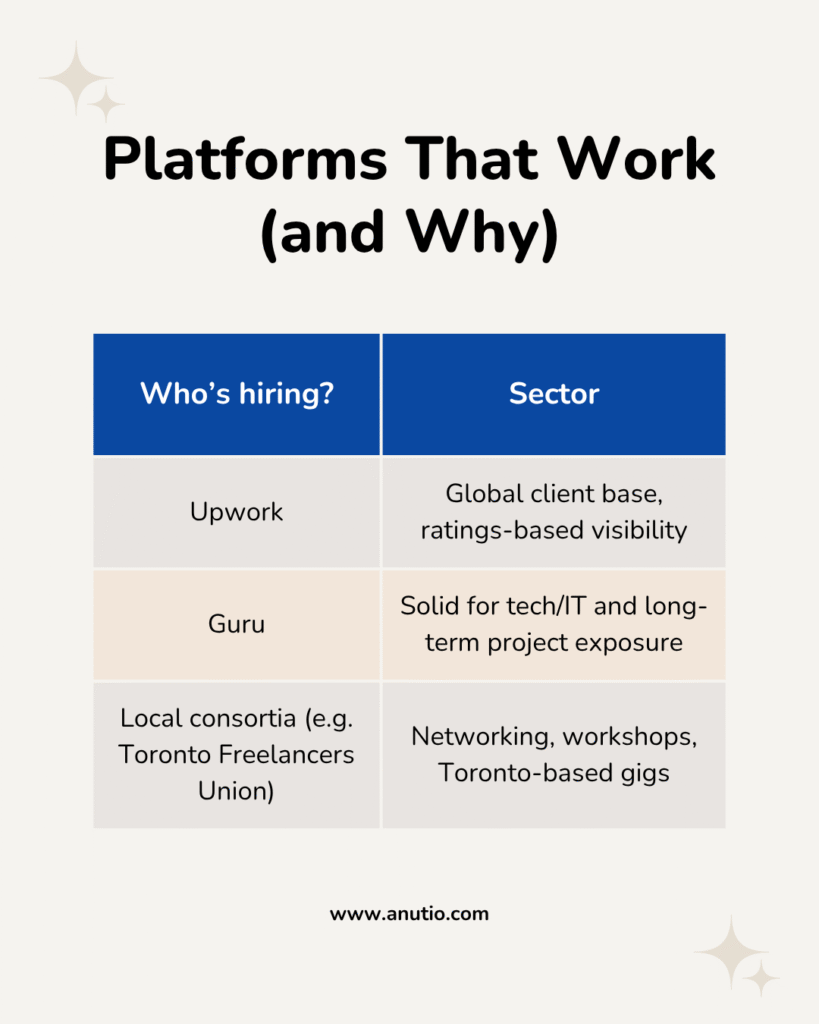
    Platforms That Work (and Why)

    From Freelance to Full-Time

    • Showcase local problem-solving in your portfolio (ex, “Helped a Toronto bakery modernise their online ordering via React”)
    • Request referrals from clients or partners
    • Transition smoothly by demonstrating reliability, punctuality, and communication in your freelance contracts. Many SMEs convert reliable freelancers into full-time hires

    Emerging Trends & Future Outlook

    Toronto is shifting beneath our feet, and future trends matter if you want to stay ahead.

    A. AI + Green Economy = Major Hiring Boom

    Ontario saw 17,000+ new AI jobs in 2024–25, more than doubling last year. Over 70 AI startups launched in Toronto alone. The government is also rolling out billions in incentives for AI-powered green data centres.

    B. Remote/Hybrid Work

    About 78% of Toronto office workers are now operating under hybrid arrangements. And 81% of Canadians support flexible work models .

    What it means for you:
    You can live in Hamilton or Ottawa, but land Toronto-based roles, just show strong remote work discipline and results.

    C. Economic Indicators & Government Support

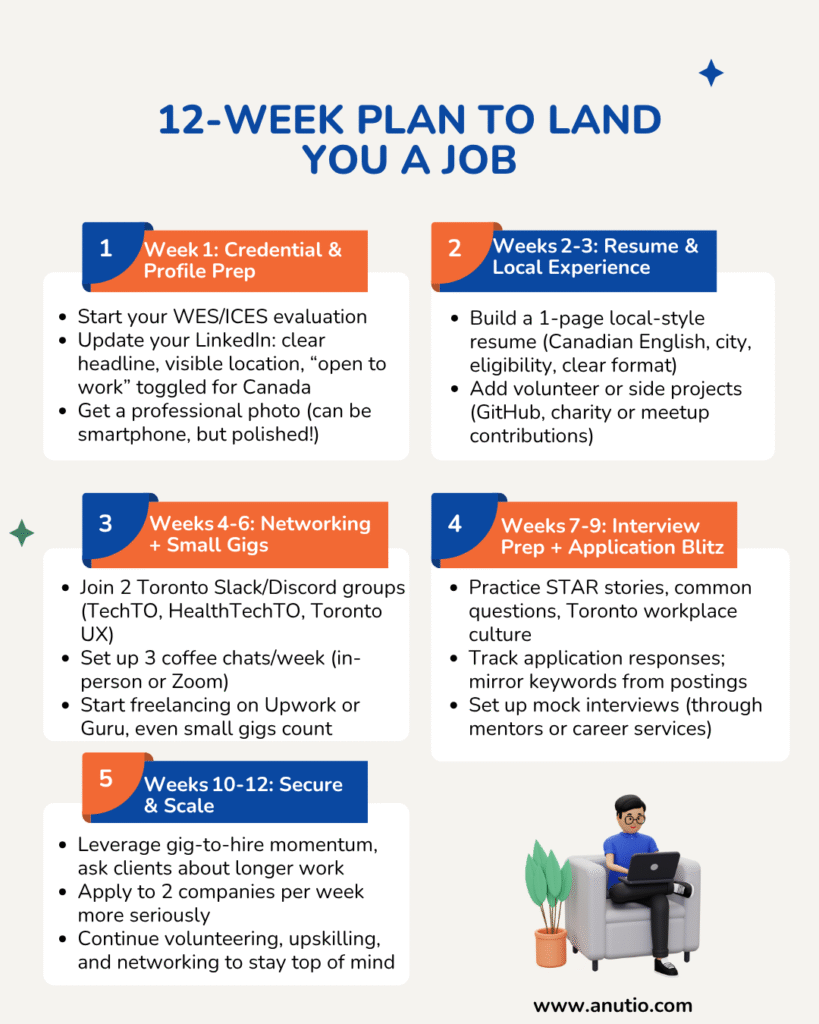
    Actionable Roadmap

    Here’s your 12-week plan to go from “just landed” to “working in Toronto”:

    Tools:

    • Roadmap template (.doc, .pdf) with checkboxes
    • Sample message scripts for LinkedIn/reach-outs
    • Resume layout in Google Docs

    Conclusion

    The immigrant advantage isn’t your past; you earn it by plugging into local networks, showcasing real work, and adapting quickly.

    With resilience, adaptability, and strategy, you won’t just find a job, you’ll build a career here.

  • How Freelancing Empowers Nigerians to Achieve Financial Independence

    How Freelancing Empowers Nigerians to Achieve Financial Independence

    After final-year, completing NYSC, real life starts. Job-hunting, applying to roles on Jobberman, LinkedIn and other platforms. You see yourself clicking on several platforms looking to learn or get opportunities. But it seems you can’t escape that soul-crushing line: “We’ll get back to you.”

    Meanwhile, a friend from school is making $800 a month on Upwork writing blog posts and managing Pinterest accounts for clients in the UK and Australia — all from the same café you both used to study in.

    This is not fiction. It’s the quiet revolution happening in Nigeria’s job market. The traditional path — graduate, NYSC, job hunt, employment — is no longer working out. In a country where unemployment and underemployment hover above 30%, more Nigerians are asking deeper questions:

    • What if there’s a better way to earn, one that isn’t tied to the failing Naira?
    • What if I could work for global clients and get paid in dollars without relocating?
    • What if I didn’t have to wait for a job — and could create one instead?

    Welcome to freelancing — not just a side hustle anymore, but a new economic escape route. It’s where Nigerian youth are going, armed with WiFi, skill, and sheer willpower.

    Understanding Freelancing in the Nigerian Context

    At its core, freelancing means working for yourself — not a company — and offering your skills or services to clients on a project-by-project basis. You’re not tied to any one employer; you choose what to do, when, and who to do it for.

    In Nigeria, freelancing has evolved from a fringe concept to a mainstream hustle. People now know someone who knows someone earning real money just for being good at:

    • Writing blog posts or social media captions
    • Creating Canva graphics or motion designs
    • Designing websites or developing mobile apps
    • Managing Instagram pages, TikTok ads, or email newsletters
    • Data entry, transcription, or virtual assistant work
    • Voiceovers, translation, and even resume writing

    Think of freelancing as the new oil well — but digital.

    And the best part? Your clients don’t have to be in Lagos or Abuja. They could be in Ontario, New York, Dubai, or Nairobi. In fact, most high-earning Nigerian freelancers work for international clients and receive dollar-based payments, sidestepping the volatility of the Naira.

    Quick Stats:

    • More Nigerians now engage in freelance work, with numbers climbing monthly.
    • As of 2021, there were over 1.5 million registered freelancers in Nigeria, according to the Freelancers’ Association of Nigeria.
    • Popular freelancing platforms report an influx of Nigerian talent, especially in writing, tech, and creative design.

    Freelancing is appealing not just because of the money — though that’s a huge plus — but because it gives Nigerians something traditional employment rarely does: control. You control your income ceiling, your hours, your work environment, and your client base.

    For many, freelancing isn’t just a hustle — it’s a form of resistance to being stuck in broken systems.

    The Real Benefits of Freelancing for Nigerians

    Freelancing isn’t perfect — but the benefits are powerful, especially in Nigeria’s economic climate. Here’s why more young people are jumping in, full-time or part-time:

    1. You Earn in Dollars

    Imagine getting paid $300 for a project. That’s around ₦450,000 in today’s exchange rate. Now imagine doing 3-4 of those in a month — that’s not pocket change. In a country where many full-time workers earn ₦50k–₦150k monthly, freelancing can flip the script.

    No matter what the exchange rate does, you’re inflation-proofing your income by earning in a stronger currency.

    Pro Tip: Sign up on Payoneer, Wise, or Grey to receive international payments without stress.

    2. You Access a Global Job Market

    You’re no longer confined to Nigeria’s struggling economy. You can pitch to clients in the U.S., Canada, Europe, and Australia. Global demand for affordable, quality freelance services is high — and Nigerians are known for resilience, creativity, and grit.

    Platforms like Upwork, Fiverr, Toptal, and PeoplePerHour are filled with daily gig opportunities.

    Anutio is also building a local + global freelance job board for Nigerians, with mentorship and job curation.

    3. You Control Your Time

    You’re not clocking in at 9AM, pretending to work until 5PM. You choose when you work — early mornings, late nights, weekends, or while your baby naps. For young mums, students, side-hustlers, or creatives, this is gold.

    Freelancing helps you blend work, learning, family, and rest in a way that full-time roles often don’t.

    4. You Monetize Existing Skills

    Do you already:

    • Know how to write?
    • Edit videos for Instagram?
    • Design birthday flyers in Canva?
    • Speak French or Igbo fluently?
    • Organize events or write proposals?

    Then congrats — you have freelance potential. You don’t need a university degree to start. You need a marketable skill, a portfolio, and WiFi.

    Even better, you can learn freelance-ready skills online — free or cheaply — via YouTube, Coursera, Udemy, or local hubs like Alx Africa, Ingressive for Good, and Utiva.

    5. You Gain Mental Freedom

    There’s peace in knowing your survival doesn’t rely on a government job, a boss, or a family connection. You begin to breathe differently when you realize, I can create income anytime from anywhere.

    For many Nigerians, this mindset shift alone is worth more than money.

    Example: A young person from Ibadan can teach themselves social media management and now earns $700/month managing 3 small business pages abroad. She didn’t JAPA — she digitally relocated.

    The Challenges of Freelancing — And What to Prepare For

    Freelancing isn’t all rosy Instagram posts and dollar rain. While it offers flexibility and freedom, it also comes with serious challenges, especially for Nigerian freelancers. If you’re going to succeed, you need to be strategic, resilient, and realistic.

    Let’s unpack the biggest hurdles — and how to prepare:

    1. Payment Barriers

    Many Nigerian freelancers struggle with getting paid internationally due to PayPal restrictions, bank limitations, or high withdrawal fees.

    Solution:

    • Use global freelancer-friendly platforms like Payoneer, Grey, Geegpay, or Wise.
    • Ensure your freelance platform supports your country before investing time building a profile.

    2. Internet and Power Woes

    Poor network service, erratic electricity, and lack of co-working spaces can slow you down or ruin deadlines.

    Solution:

    • Invest in a Mifi or backup router with good 4G.
    • Use power banks, inverters, or solar kits where possible.
    • Know your best work hours (e.g., midnight) when power is more stable and distractions are fewer.

    3. Finding Clients Consistently

    The biggest worry for most freelancers is: “What if I don’t get any clients?” It’s real. The competition is global, and client hunting takes time and patience.

    Solution:

    • Build a strong portfolio, even if it means doing 2–3 free jobs to start.
    • Learn how to write killer proposals and cold pitches.
    • Show up online (LinkedIn, Instagram, portfolio sites) so people can find you.

    4. Mental Fatigue and Burnout

    Freelancing requires discipline without structure. You wear many hats: marketer, accountant, strategist, project manager, customer support.

    Solution:

    • Use tools like Notion, Trello, or Google Calendar to organize your workflow.
    • Set working hours and stick to them.
    • Rest intentionally. Burnout ruins creativity.

    Real Talk: Freelancing is a business, not a vibe. The sooner you treat it that way, the sooner you’ll win.

    How to Get Started with Freelancing (Even If You’re Broke or Unskilled)

    You don’t need ₦1 million or a MacBook to start freelancing. What you need is a mindset shift, a basic device, and the will to learn.

    Step 1: Choose a Skill

    Start with what you already know or what interests you. Some beginner-friendly freelance skills include:

    • Writing (articles, resumes, social media)
    • Design (flyers, logos, simple Canva graphics)
    • Voiceovers
    • Transcription
    • Social media management
    • Virtual assistant tasks
    • Customer service or live chat support
    • Translation
    • Basic video editing

    Can’t decide? Google “Top Freelance Skills for Beginners 2025” or use YouTube to explore.

    Step 2: Learn the Skill (for Free or Cheap)

    Use:

    • YouTube tutorials (e.g., “How to use Canva for Beginners”)
    • Udemy or Coursera (look for ₦3,000–₦5,000 deals)
    • Skillshare, Alx Africa, or Ingressive for Good
    • Join Facebook groups or Telegram channels for tips

    Learning is easier when you have a real-life project to practice on — e.g., helping a friend or small business for free.

    Step 3: Build a Portfolio

    No one will hire you just because you say you can do it. Show proof.

    Create 3–5 samples:

    • Write 2 blog posts and turn them into PDFs
    • Design 3 mock Instagram posts for a fake brand
    • Record a voiceover reading a script
    • Summarize a 10-minute YouTube video into a blog outline

    Then upload them on Google Drive or a simple free site like Carrd.co, Notion, or Behance.

    Step 4: Join Freelance Platforms

    Start with beginner-friendly options like:

    • Fiverr (great for gigs and repeat work)
    • Upwork (proposal-based)
    • Toptal, PeoplePerHour, Remotive
    • Also check local options like Anutio, which offers curated job matches and mentorship

    Step 5: Start Pitching

    This is where most people give up. Don’t.

    Learn to write simple, warm, value-packed pitches. Say who you are, what you offer, why you’re perfect for their needs, and share a link to your samples.

    Do it scared. You’ll get better with every “no.”

    Anutio: Helping Nigerians Find Freelance Success Faster

    While global platforms are great, Nigerian freelancers often face unique local barriers: bad verification systems, delayed payments, poor client communication, or just being overwhelmed.

    That’s why Anutio is building a smart talent platform designed specifically for Africans. This way we connect you based on your profile to and existing projects posted on the platform.

    What Anutio Offers:

    • Local + international freelance job board (curated gigs, not spam)
    • Skill-building programs (Learning cohorts – the next one will be announced)
    • Mentorship and career coaching to guide newbies
    • Dollar-earning job placements for trusted freelancers
    • Resume audit through our career map
    • Live workshops and job-matching challenges
    • Access to soft skills training: time management, communication, negotiation

    Why It Matters:

    Unlike other platforms that treat Nigerians as afterthoughts, Anutio was built by and for African talent. It understands that:

    • Not everyone has a MacBook or fancy portfolio
    • You may need someone to review your proposal or check your LinkedIn profile
    • You need a roadmap, not just a job list

    Whether you’re just starting out or scaling your freelance career, Anutio is here to bridge the gap — from broke to booked, clueless to confident.

    The Freelance Future Is Now — Will You Join?

    Nigeria’s youth are talented, creative, and hungry for something more — more opportunity, more autonomy, and more income. Freelancing is not just a temporary hustle. For many, it is the long-term freedom strategy.

    It’s a path that:

    • Pays in global currency
    • Builds skills faster than any 9–5
    • Gives you control over your lifestyle and future
    • Allows you to work from anywhere — even your small corner in Ibadan, Abuja, Aba, or Benin

    You don’t need to JAPA to thrive.
    You need WiFi, a skill, and the courage to start.

    And with smart tools like Anutio, the road just got clearer.

    Next Steps:

    • Choose one skill and commit to learning it for 30 days.
    • Build your first portfolio sample.
    • Create a Fiverr profile or join Anutio’s waitlist.
    • Join a freelance support group.
    • Pitch your first gig — and keep going even if they say no.

    Financial freedom is not a fantasy. It’s the reward for showing up consistently in this digital age.