Tag: Tips for Employers

  • The Real Cost of Losing a Top Performer: Beyond Recruitment

    The Real Cost of Losing a Top Performer: Beyond Recruitment

    Losing a top performer isn’t just a hiring inconvenience, it’s a strategic crisis. While many companies prepare for the sticker shock of recruitment fees and job board postings, the real fallout goes far deeper and lasts much longer.

    What’s the true cost of losing a top performer and offer an evidence-based roadmap to building a proactive retention strategy.

    1. Direct Costs: Recruitment, Onboarding & Training

    • Recruitment fees: Filling a vacancy can cost between 75% and 200% of an employee’s annual salary, depending on role complexity, higher for leadership positions and specialized talent.
    • Onboarding and training: Bringing someone up to speed typically costs around 25–33% of their salary. In entry-level roles, training alone can hover near $4,000 per hire . Some estimates hover around 6–9 months of salary to reach full productivity.

    2. Productivity Loss While Filling the Role

    Transition gaps: Internal buffers break when a top employee exits. Their responsibilities often land on teammates or managers, leading to missed deadlines and stress-induced fatigue.

    • One analysis indicates organizations lose 10–20% in productivity during these gaps.
    • In hospitality, losses can reach up to 50% during slow handovers .

    New hires typically take 4–6 months to reach full effectiveness, sometimes even longer and that’s assuming a perfect fit .

    3. Loss of Institutional Knowledge & Expertise

    Top performers hold tacit knowledge: client relationships, process hacks, leadership insights. These are seldom documented.

    • Their departure often results in “unwritten rule” loss, leading to mistakes, rework, and slowdowns.
    • Rebuilding that expertise can take years and costs not only in time, but in failed projects and missed opportunities.

    4. Team Morale & Internal Disruption

    A headline statistic: 87% of remaining employees are more likely to leave when a top performer exits.

    • Teams feel unsettled. Remaining members often take on extra workload or wonder why leadership didn’t keep their high-performing colleague.
    • Performance dips, innovation stalls, and burnout becomes common.

    Low morale has real-world consequences:

    • Happy teams are about 12% more productive.
    • Conversely, disengagement—or morale below par—can reduce overall output and spike error rates .

    5. Reputational & Employer Brand Damage

    Turnover becomes a signal—not just noise.

    • Glassdoor, LinkedIn, and public forums amplify employee exits and complaints. Transparency is no longer optional.
    • Studies show organizations with high turnover experience 15–43% lower employer brand ratings.
    • Seen as unstable, underpaying, or toxic? Top-tier talent will “turn off” before applying.

    6. Customer & Client Impact

    If a star employee manages critical accounts or projects, their departure affects service continuity. Client confidence can erode, leading to revenue drops or lost business.

    • For example, in healthcare, staff turnover is linked to reduced patient satisfaction and poorer outcomes.
    • In retail or services, high turnover often correlates with lower customer satisfaction scores by 18–28%.

    7. Strategic Disruption & Opportunity Cost

    • High performers who often lead innovation or critical thinking are the ones driving new initiatives.
    • Their departure halts digital transformations, stalls major product launches, and disrupts strategic momentum. That translates into missed market windows and lost ROI.

    8. Hidden Costs: Disengagement & Burnout Fallout

    Quiet quitting and burnout are early warning signs—and expensive ones.

    These aren’t line items on a spreadsheet but they show up in productivity loss, absenteeism, mistakes, and low morale.

    9. Macro-Economic & Talent Shortage Context

    We’re in a global talent war.

    • Global turnover averages ~20% annually; voluntary exits make up 70% of those.
    • By 2030, talent shortages may cost the U.S. $435 billion, UK £90 billion, and China ¥147 billion.
    • Companies adopting strong retention approaches have 22% higher profitability and 33–40% lower turnover.

    Comprehensive Cost Breakdown (Example)

    Let’s illustrate with a $100,000/year top performer in a tech role:

    Cost CategoryEstimated % / Amount
    Recruitment + Onboarding100% = $100,000
    Productivity Loss (transition)~20% = $20,000
    Loss of ExpertiseIntangible—potential $30,000+
    Morale/Productivity Impact~12% slump = $12,000
    Brand & Client ImpactVariable—potential $20,000+
    Burnout/Disengagement Fallout~10% early disengagement = $10,000
    Total One-Time & Ongoing Cost$192,000+

    The numbers don’t lie. Losing one top performer can cost nearly 2x their salary, and carry ongoing fallout.

    Why Recruitment-Focused Strategies Fall Short

    Many companies try to “solve” turnover with more hiring.

    • This is a reactive, not proactive, strategy.
    • It fails to address root causes: burnout, career stagnation, compensation disconnects, toxic leadership.
    • Worse, it perpetuates a cycle: hire → ramp → lose → hire again.

    Long-term resilience requires a retention-first approach.

    Building a Strategic Talent Retention Framework

    Follow these key pillars:

    1. Competitive Total-Market Compensation

    • Studies show organizations paying above market like Costco and H-E-B see significantly lower turnover (turnover drops by 35–50%).

    2. Onboarding that Empowers

    • Robust onboarding programs boost new hire retention by 82%, reduce early turnover by 20%, and speed productivity by ~70%.

    3. Career Growth & Internal Mobility

    • 93% of employees stay when they feel their careers are growing .
    • Mentoring and clear growth paths reduce attrition by 25–43%.

    4. Engaging Leadership & Culture

    • Employees with supportive managers are 75% more engaged and 42% less likely to quit.
    • Culture-aligned organizations see 40+% lower turnover .

    5. Well-being & Burnout Prevention

    • Every $1 in wellness investment returns ~$4 in productivity and engagement .
    • Flexible work and mental health programs reduce turnover by 25–50% .

    6. Continuous Feedback & Recognition

    • Regular recognition correlates with 21–63% lower turnover.
    • Organizations that act on feedback see retention improvements up to 30%.

    7. Data-Driven Talent Analytics

    • AI tools now predict attrition with 90%+ accuracy, enabling pre-emptive retention action.
    • HR dashboards tracking engagement, sentiment, and burnout allow early interventions.

    Retention = ROI Multiplier

    Losing top talent isn’t just a recruitment headache, it’s a strategic and financial disaster. From billions in lost productivity to damaged cultures and stalled innovations, the true cost ripples across every level of your business.

    By shifting from reactive hiring to proactive retention through better pay, growth pathways, leadership, wellness, and data you not only save money; you build a sustainable competitive edge.

    Need help turning turnover into talent retention mastery? Anutio partners with growth-minded organizations to design high-trust, high-performance talent strategies.
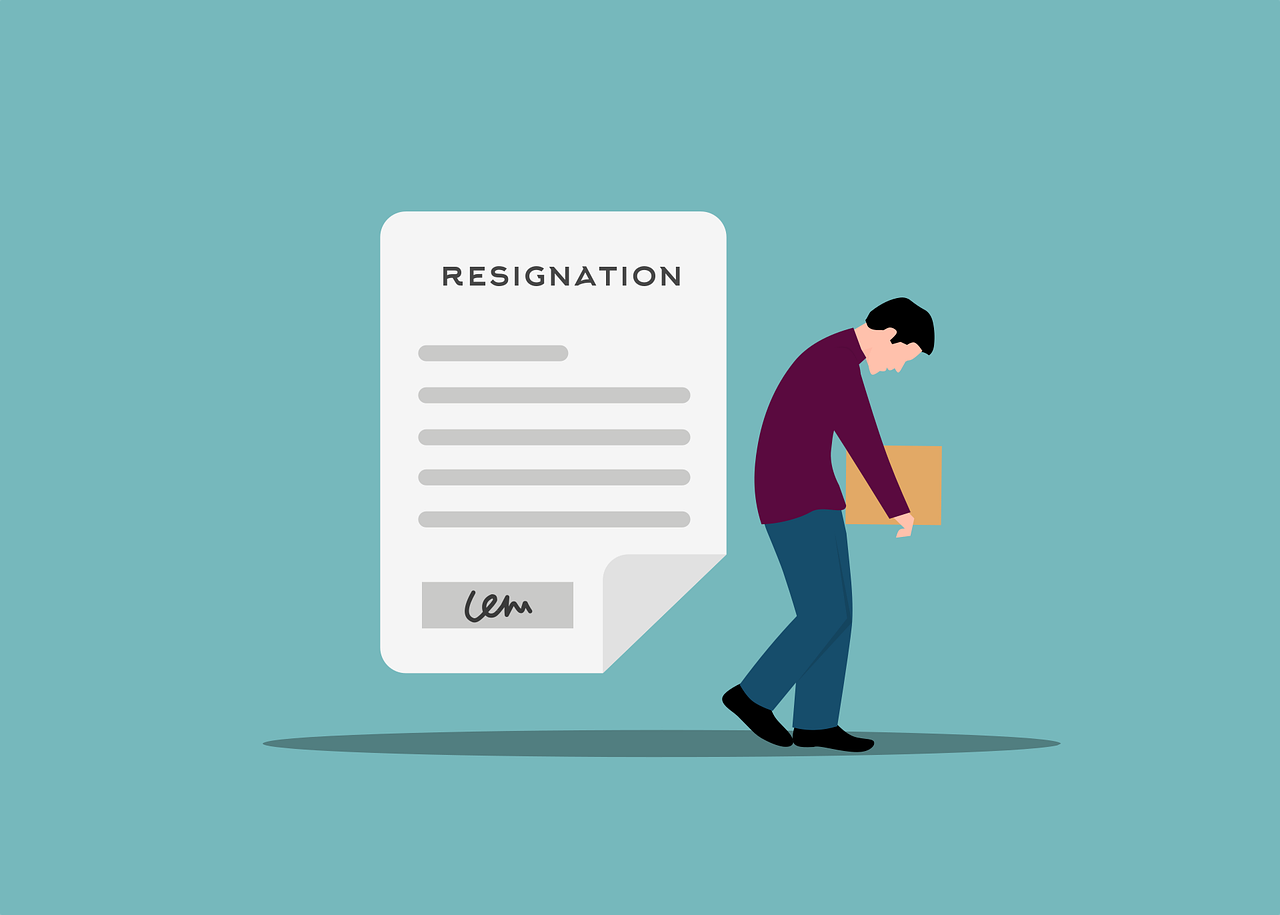
  • 10 Hidden Reasons Employees Are Quiet Quitting (And What to Do About It)

    10 Hidden Reasons Employees Are Quiet Quitting (And What to Do About It)

    Quiet quitting isn’t laziness. It’s not entitlement. It’s a signal.

    A signal that your team may be slowly disengaging while still showing up to work. They’re in the meetings, they reply to emails but the spark is gone. They’re doing the bare minimum, not because they don’t care, but because something inside them has switched off.

    Gallup reports that nearly 60% of employees are psychologically disengaged at work. And this isn’t just a trend, it’s a wake-up call.

    If you want to retain high performers and restore workplace energy, it’s time to go beneath the surface.

    Here are 10 hidden reasons your employees may be quietly quitting and what to do about each one:

    1. They Feel Invisible

    No recognition. No feedback. Just silence.
    When people feel unseen, they stop going above and beyond.

    What to Do:

    Build a recognition rhythm, weekly shoutouts, peer-to-peer praise, or real-time feedback. People stay where they feel valued.

    2. They Don’t Understand the “Why”

    When work becomes task-focused with no purpose behind it, meaning dissolves. And without meaning, engagement dies.

    What to Do:

    Communicate how every role connects to your mission. Tie individual goals to bigger-picture impact. Make the “why” louder than the “what.”

    3. They Have No Clear Growth Path

    When employees don’t see where they’re headed, they stop trying to get anywhere.

    What to Do:

    Create visual career maps. Discuss growth goals during 1-on-1s. Offer learning stipends or internal mobility opportunities.

    4. They’re Burned Out but Afraid to Say It

    People are running on fumes, but pretending they’re fine. Eventually, they emotionally shut down.

    What to Do:

    Normalize wellness check-ins. Encourage real conversations about workload and energy. Offer flexible hours or mental health support.

    5. Their Manager Doesn’t Lead—They Boss

    Quiet quitting is often a reaction to poor leadership. Micromanagement, vague instructions, or indifference kills trust.

    What to Do:

    Train your managers to coach, not control. Equip them to give clarity, empathy, and structure. The tone they set is the culture they create.

    6. They Feel Like a Number, Not a Human

    Overly transactional environments. Just output and deadlines can make people feel like cogs, not contributors.

    What to Do:

    Ask about life outside of work. Show curiosity, not just KPIs. Treat your people like people, not just productivity engines.

    7. They See No Room for Autonomy

    Employees want ownership, not just instructions. Without freedom to make decisions or lead projects, initiative fades.

    What to Do:

    Delegate more than tasks—delegate trust. Let them own projects, pitch ideas, and influence outcomes.

    8. Toxic Colleagues Are Getting a Free Pass

    One toxic teammate can drain an entire team’s motivation. If nothing is done, others disengage quietly.

    What to Do:

    Address toxic behavior head-on. Build a culture of accountability, not avoidance. Protect psychological safety like it’s sacred because it is.

    9. They Don’t Know What Success Looks Like

    Vague expectations create constant anxiety. Employees who don’t know what’s “enough” start doing the bare minimum to avoid judgment.

    What to Do:

    Set crystal-clear KPIs and definitions of success. Review them often. Give space to ask questions without shame.

    10. They’ve Outgrown the Role But Nobody Noticed

    Sometimes, people evolve. But when their job doesn’t evolve with them, they stop stretching. Quiet quitting begins where stagnation sets in.

    What to Do:

    Check in quarterly: “Are you still feeling challenged?” “What would you love to try next?” Spot and support growth before they grow elsewhere.

    Stop the Quiet Before It Gets Loud

    Quiet quitting is not a rebellion it’s a withdrawal. A subtle, slow pulling away that starts when needs go unmet, voices go unheard, and potential goes unused.

    But here’s the good news: It’s reversible.

    Organizations that choose to lead with empathy, clarity, and curiosity will re-engage their people. Not through fear or pressure, but by building workplaces where people want to give their best because they feel seen, supported, and trusted.

  • The Great Talent Exodus: Why Top Performers Are Quitting and What Employers Must Do

    The Great Talent Exodus: Why Top Performers Are Quitting and What Employers Must Do

    “Your best employee may already be looking elsewhere…”

    It’s not just a hunch anymore, people are leaving. Quietly. Loudly. Strategically. Globally.

    According to a recent Gallup Workplace Report (2024), over 50% of employees say they’re actively job hunting or watching for new opportunities. McKinsey adds that 40% of workers across industries are considering quitting within the year not because they hate work, but because work has stopped working for them.

    The Great Talent Exodus isn’t about lazy employees or entitled Gen Zs. It’s about burnout, broken trust, and the slow erosion of workplace meaning. When companies forget that humans power the system, humans eventually walk away from it.

    If you’re not thinking about talent retention now, you might already be too late.

    What Is Causing the Great Talent Exodus?

    Top performers don’t just up and leave. They disconnect first. Then they calculate. And eventually, they go with or without notice.

    Let’s break down the most pressing reasons why even your most dedicated team members are exiting:

    Burnout and Mental Health Neglect

    Burnout isn’t just tiredness. It’s emotional bankruptcy. People are being asked to do more with less. Less time, less clarity, less support.

    Gallup’s latest report shows that 44% of employees globally experience daily stress, and mental health claims are rising faster than salary budgets.

    When workers consistently feel overwhelmed, unacknowledged, and unsupported, resignation becomes the only form of self-preservation.

    Real Reason People Quit #1
    “I couldn’t breathe anymore. I was surviving, not growing.” — Exit interview via Gallup (2024)

    2. Lack of Career Progression

    No growth? No reason to stay.

    Today’s workforce, especially Millennials and Gen Z don’t want to sit still. They want to move up, across, or into something new. And when companies don’t offer clear development paths, mentorship, or new challenges, talent starts looking elsewhere.

    Internal mobility should be a retention strategy.

    Real Reason People Quit #2
    “I learned more on YouTube than in my own company. That’s when I knew I’d outgrown them.”

    3. Poor Leadership and Toxic Management

    Let’s be honest. People don’t quit jobs. They quit managers.

    Toxic bosses, unclear feedback, micromanagement and favoritism are the silent culture killers. A McKinsey survey found that bad leadership is the #1 predictor of employee dissatisfaction, outranking even salary.

    Great leadership inspires. Bad leadership repels. Every single time.

    Real Reason People Quit #3
    “My manager didn’t know what I did. And didn’t care to ask.”

    4. Misalignment of Values or Purpose

    You can’t retain people who no longer believe in your ‘why.’

    Today’s top performers are asking deeper questions:

    • What does this company stand for?
    • Does my work matter here?
    • Do I feel proud of what I’m building?

    If your internal culture doesn’t align with employee values, no amount of perks will make them stay.

    5. Inflexible Work Models

    It’s 2025 and yet, some companies are still forcing 9-to-5, in-office-only policies like it’s 1998.

    The disconnect? While 70% of employees want hybrid or remote options, many employers are pushing for full return-to-office mandates. The result? Frustration and silent exits.

    Flexibility isn’t a luxury anymore—it’s a baseline.

    Real Reason People Quit #4
    “If you can’t trust me to work from home, you don’t trust me at all.”

    6. Under-compensation (It’s Not Just About Salary)

    Yes, people want to be paid fairly. But it’s bigger than that. Compensation now includes:

    • Learning opportunities
    • Flexibility
    • Well-being benefits
    • Clear paths to promotion

    When employees feel undervalued or stagnant, they’ll find a company that does invest in them holistically.

    7. Quiet Quitting and Disengagement as Precursors

    Quiet quitting isn’t laziness. It’s self-protection in broken systems.

    When employees mentally check out—doing just enough to get by—it’s usually a sign of deeper disengagement. And once that mindset sets in, it’s only a matter of time before they exit.

    LinkedIn’s Talent Trends report notes that companies with high engagement see 87% less attrition than those with disengaged workforces.

    Real Reason People Quit #5
    “I stopped caring. They stopped noticing. Eventually, I left.”

    The Real Cost of Losing Top Talent

    When a great employee walks out, the loss echoes louder than most leaders realize. It’s not just a desk that goes empty, it’s knowledge, momentum, morale, and credibility leaving the building.

    Let’s break it down.

    1. Productivity Loss

    When high performers leave, projects slow down, teams scramble, and results suffer. Their unique way of solving problems or leading conversations can’t be easily replaced. Research from SHRM shows it can take up to 6 months for a new hire to reach full productivity. In the meantime? The team carries double the load.

    2. Increased Cost of Hiring and Onboarding

    Recruiting isn’t cheap. Think job ads, HR time, interview rounds, onboarding, training… and that’s if you actually find the right person the first time. According to Gallup, replacing an employee can cost anywhere from 50% to 200% of their annual salary, depending on the role.

    3. Loss of Institutional Knowledge

    Some things just aren’t written down. When experienced talent leaves, their know-how walks with them, client history, system workarounds, unofficial playbooks. You can hire a replacement, but you can’t download a brain.

    4. Damage to Team Morale

    When a high-value employee leaves, their departure often sparks a domino effect. Team members start to question their own positions. “If she left, maybe I should too.” This ripple can lead to internal disengagement or even more resignations.

    5. Reputational Risk

    Sites like Glassdoor, Reddit, and LinkedIn make it incredibly easy for disgruntled former employees to share why they left and the market is listening. Poor retention signals a red flag to future hires. Top candidates don’t just want great roles; they want great environments.

    How Much One Resignation Costs Your Business

    Multiply the annual salary of your top employee by 1.5. That’s the estimated cost of losing them when you consider:

    • Lost productivity
    • Rehiring and onboarding
    • Training time
    • Reputation impact
    • Knowledge leakage

    Now imagine losing two or five. The silent bleed adds up quickly.

    Common Mistakes Employers Make When Trying to Retain Talent

    Good intentions aren’t enough. Many companies try to “fix” the problem of attrition without addressing the root causes. Here are the most common missteps:

    1. Throwing Money Without Addressing Culture

    Raises and bonuses are appreciated but when employees feel psychologically unsafe, unheard, or burned out, more money simply becomes hazard pay. You can’t bribe people into belonging.

    2. Ignoring Feedback Loops

    Many employers still wait for exit interviews to ask, “What went wrong?” By then, it’s too late. Ongoing pulse surveys, anonymous feedback, and stay interviews are tools—not threats. Ignoring them only fuels disengagement.

    3. Failing to Adapt to Generational Shifts

    Millennials and Gen Z prioritize different things—autonomy, meaning, flexibility. If your company is still optimizing for loyalty and ladder-climbing without offering creative freedom or purpose-driven work, you’re missing the mark.

    4. Focusing Only on Perks, Not Purpose

    Free lunch and bean bags don’t replace growth. Today’s talent isn’t chasing shallow perks—they want mission, mastery, and momentum. A disengaged team with free coffee is still a disengaged team.

    What Employers Must Do: A Framework for Retaining Top Talent

    Retention isn’t one big action. It’s a layered strategy. Here’s what works:

    1. Build Transparent Career Pathways

    Employees want to see where they’re going and how to get there.

    • Visual Career Ladders

    Design clear, visual maps of possible growth. What skills do they need to advance? What’s next after their current role? Ambiguity leads to anxiety. Clarity builds commitment.

    • Mentorship Programs

    Give employees a sounding board, someone who has walked the path. Mentorship builds bridges between experience and ambition, helping junior staff see beyond their current tasks.

    • Internal Promotions > External Hires

    Hiring externally for leadership roles when strong internal talent exists is a fast way to lose credibility. Promote from within whenever possible show them growth is possible here.

    2. Develop Leadership That Inspires

    Great leaders don’t manage they multiply.

    • Manager Training

    Train your managers on empathy, coaching, and conflict resolution not just KPIs. People leave when they feel unseen or undervalued, and managers are often the messengers of culture.

    • Create Psychological Safety

    Employees need to feel safe enough to speak up, ask questions, or make mistakes without fear. Safety drives innovation. Fear drives silence.

    • Build a Feedback Culture

    Normalize check-ins, not just annual reviews. Frequent, two-way feedback builds trust, shows growth, and gives employees a reason to care.

    3. Prioritize Well-being and Work-Life Flexibility

    People can’t produce if they’re running on empty.

    • Mental Health Benefits

    Go beyond EAPs. Offer therapy stipends, mental health days, and burnout prevention education. Make it okay to say, “I need a break.”

    • Remote/Hybrid Options

    Flexibility has become a non-negotiable. Let people choose the environment where they work best, not just where they sit.

    • 4-Day Workweek Trials

    Some companies are testing this and seeing surprising gains in productivity and morale. It’s not for everyone, but testing signals trust and innovation.

    4. Create a Learning & Growth Ecosystem

    Employees don’t want to feel stagnant.

    • Upskilling Access

    Offer access to courses, certifications, and coaching. Support their hunger to learn even if the skills aren’t immediately used in their role.

    • Microlearning and Certifications

    Break learning into bite-sized, trackable modules that empower quick wins and career stacking.

    • Personalized Development Plans

    Co-create growth plans with employees during 1-on-1s. Set quarterly development goals tied to their dreams not just your metrics.

    5. Realign Roles with Purpose and Impact

    Work should feel like it matters.

    • Values-Based Job Design

    Design roles around company values. Make sure employees understand how their day-to-day connects to something bigger.

    • Socially-Conscious Mission Connection

    Highlight your mission, your impact, your “why.” People stay when they believe the work matters.

    • Personal Autonomy in Projects

    Give them ownership. Let them innovate, lead something, own a process. Autonomy = trust. Trust = loyalty.

    6. Listen Actively and Respond Proactively

    • Pulse Surveys

    Ask, often. Not just about workload, but how people feel. Keep it short and regular.

    • Exit Interviews

    Don’t just conduct them learn from them. Track trends. If five people leave saying the same thing, it’s not personal, it’s systemic.

    • Stay Interviews

    Ask: “What’s keeping you here?” and “What would make you leave?” The answers will help you prevent silent exits before they happen.

    • Transparent Action on Feedback

    It’s not enough to collect feedback. Tell your team what you heard and what you’re doing about it. Close the loop, or the loop will close on you.

    If you’re only thinking about retention when someone resigns, you’re already too late. Retention is built into every touchpoint from onboarding to 1-on-1s to company town halls.

    What the Future Holds: Preparing for a Workforce That Won’t Settle

    The workplace is no longer a static system, it’s a living, breathing ecosystem. And today’s workforce? They’re done settling.

    We’re entering an era where employee branding matters just as much as consumer branding. People don’t just choose jobs, they choose environments that reflect who they are. Platforms like LinkedIn and Glassdoor have become windows into company culture, and job seekers are paying attention. If your people are thriving, the world will know. If they’re not? The world will really know.

    Meanwhile, freelance and project-based workforces are rising fast. People want more control over time, tasks, and how they grow. Companies that still expect lifelong loyalty without offering flexibility or purpose will lose talent to those embracing fluid, agile teams. We’re talking squads, not silos. Collaboration, not control.

    Add to that the new expectations of Gen Z and Gen Alpha, digital natives raised on transparency, value-driven decisions, and the belief that their voice matters. They aren’t impressed by titles. They’re watching what your company stands for, how it treats people, and whether it evolves. They want meaning. They want movement. And they’ll leave if they don’t get both.

    So, what’s the solution?

    Continuous listening and adaptability.

    The future belongs to organizations that treat feedback as fuel, not friction. Who don’t just survey, but respond. Who see change not as a threat but as a strategy.

    The companies that will win tomorrow are already listening today.

    Conclusion

    The Great Talent Exodus isn’t about entitlement, it’s a response to environments that have stopped evolving.
    From burnout to broken growth paths, from bad management to misaligned values, people are leaving because they no longer feel seen, supported, or challenged.

    But this moment isn’t just a warning, it’s an opportunity.

    Companies that shift from surface-level perks to people-first strategy. Those that offer clarity, flexibility, growth, and genuine care, will not only retain top performers but attract the kind of talent that builds legacies.

    You don’t need to guess what employees want. They’re telling you. Every day.

    Need help rethinking your talent strategy?
    👉🏽 Visit Anutio and explore it in your organization to begin building growth-minded teams that last.

    Let’s not just talk about the future of work. Let’s build it with people at the center.