
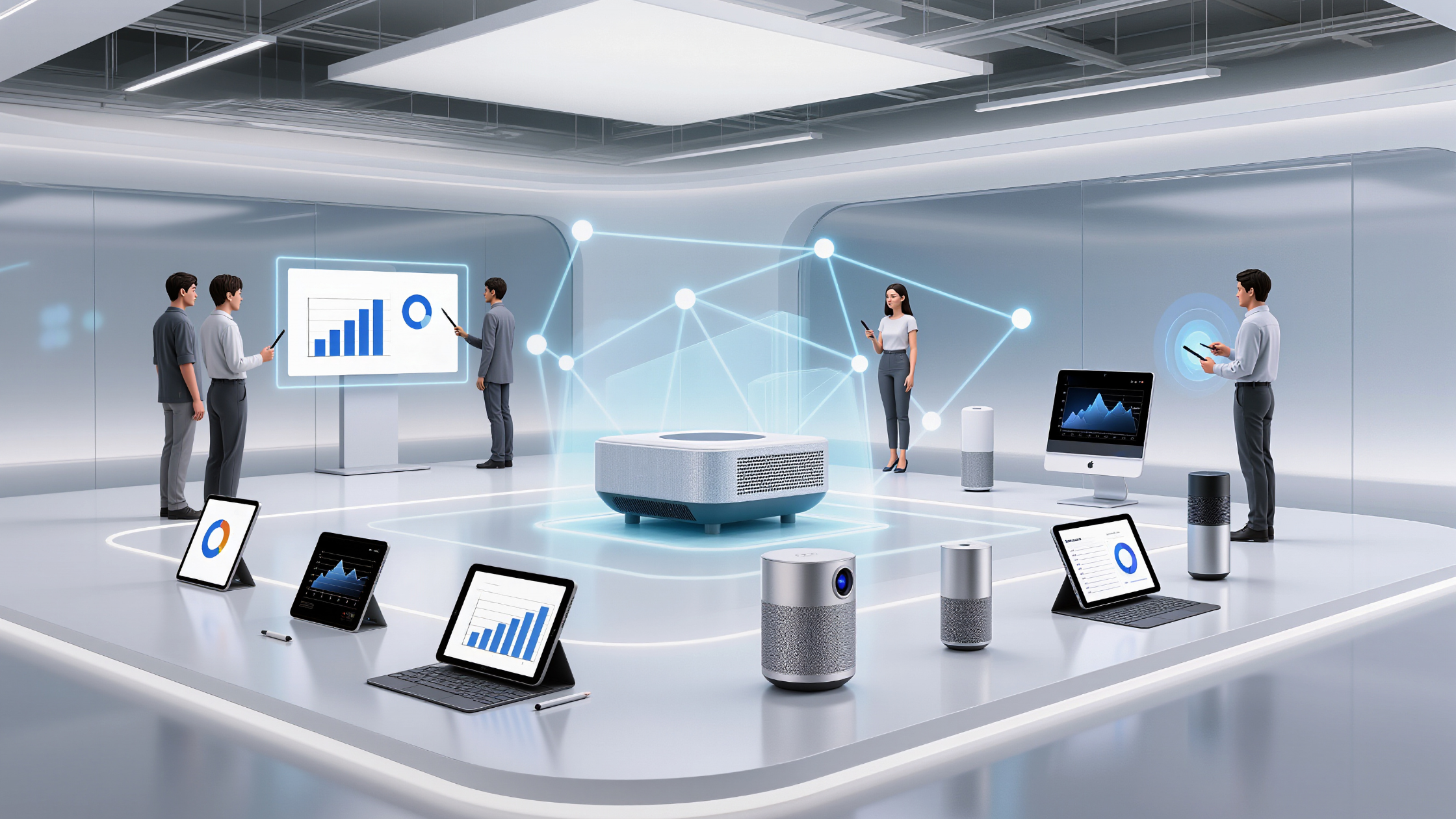
Every few months, a new technology shifts how we hire, train, and manage teams. AI isn’t just automating jobs, it’s reshaping how companies plan for the future. For organizations in Nigeria and Canada, where workforce challenges look very different but share one common thread, skills gaps, AI offers a smarter way to stay ready.
According to a McKinsey report on workforce planning in the age of AI, many companies now use predictive models to forecast which roles will grow, which skills will fade, and what kind of training will keep employees relevant. Instead of reacting to talent shortages, they’re getting ahead of them.
This is exactly why Anutio is helping businesses, schools, and professionals prepare for tomorrow’s jobs today. Using data and insights, we help identify what skills are needed, who needs them, and how to build them.
But before we go deeper, let’s understand what modern workforce planning really means and why AI makes it far more powerful than traditional HR planning.
What Is Workforce Planning in the Age of AI?
Workforce planning used to be about filling positions. HR teams looked at headcounts, retirement forecasts, and maybe a few training programs. That’s it. But today’s business environment moves too fast for that.
Modern workforce planning focuses on skills, not just job titles. As explained in this Workleap guide on modern workforce planning, organizations now build strategies around what people can do and how fast they can learn. It’s about preparing your team to adapt, not just hiring new talent.
Artificial Intelligence is taking that to a new level. With AI tools, companies can analyze massive datasets, from employee performance to global job trends, and predict where the next big skills gaps will appear. A detailed analysis from Innovative Human Capital explains how predictive models identify not only current shortages but also future skills you haven’t realized you’ll need yet.
Here’s a quick example: imagine your organization plans to adopt automation or data analytics in the next year. Instead of waiting until you can’t find qualified staff, AI can alert you months ahead that your team needs reskilling in Python, Power BI, or cloud tools. That early signal lets you invest in training or hire ahead of competitors.
Even major consulting firms like KPMG emphasize that AI-powered workforce planning helps HR move from administrative to strategic, combining people data, market insights, and scenario modeling to make smarter, faster talent decisions.
In simple terms, AI makes workforce planning proactive, not reactive. It tells you:
- Which skills are becoming obsolete
- What emerging roles your business will soon need
- Where your employees could fit better after upskilling
- And how to balance hiring, training, and automation
For Anutio, this is the heart of our mission — helping organizations and professionals use AI-driven insights to stay future-ready without spending big budgets.
The Role of AI in Predicting Skills Gaps
Predicting the future of work used to sound impossible. But with AI, it’s not just possible, it’s becoming the norm for smart organizations.
AI systems can now analyze millions of data points, job postings, internal performance metrics, LinkedIn skills trends, and even educational data, to forecast where skill shortages are forming. This kind of insight used to take teams months to gather; now, it happens in seconds.
A report from Innovative Human Capital breaks this down clearly: predictive models in workforce planning help HR leaders understand not just what skills are missing but why they’re missing and how fast they’ll become critical. This means businesses can plan learning programs or hiring efforts long before the gap becomes a crisis.
For example, if your data shows that project managers in your team are missing data-driven decision skills, an AI model can recommend targeted training in data analytics or AI-assisted project tools. Instead of replacing people, the system helps upgrade their skills, a more sustainable approach for growing organizations in Nigeria or Canada.
According to McKinsey, companies that integrate AI into workforce planning outperform others because they can align business goals with human potential in real time. They don’t wait until a competitor has already snatched up top talent, they anticipate what kind of people they’ll need and prepare accordingly.
This also means HR teams aren’t just reacting to resignations or shortages anymore. They’re using predictive analytics, an AI-driven method explained in detail by Workleap, to make data-based decisions on hiring, training, and even succession planning.
Imagine if your organization could simulate scenarios like:
- “What happens if we expand to three new locations?”
- “How many tech roles will we need if automation increases by 20%?”
- “Which departments are most at risk of skill decay?”
That’s what predictive workforce planning does. It helps you see around the corner.
For Anutio, this is more than just data, it’s about using these insights to design career-readiness pathways for students, professionals, and organizations. Our AI models help companies forecast the talent they’ll need, while individuals discover which skills to learn now to stay employable tomorrow.
The result? A workforce that’s future-ready, data-driven, and adaptable.
Why Skills Gaps Are a Growing Challenge
Keeping up with change feels like running a marathon that never ends. The world of work is shifting so fast that what’s “in-demand” today might be outdated by next year. That’s why the skills gap isn’t just a buzzword; it’s a growing business problem.
Why the Gap Keeps Widening
- Technology is evolving faster than learning.
Every time a new tool or AI system launches, workers need to learn new ways of doing things. But as KPMG points out, most companies still rely on outdated training models that can’t keep up with rapid tech cycles. - The rise of hybrid and remote work.
After COVID-19, organizations in Nigeria, Canada, and beyond went digital overnight. While this improved flexibility, it also exposed gaps in collaboration, digital literacy, and self-management skills, areas many traditional job roles never prepared people for. - Migration and global mobility.
In Canada, immigration policies bring in skilled workers, but many still need local work experience or certification. Meanwhile, in Nigeria, there’s a brain drain as top talent moves abroad. Both trends widen the skills imbalance across key industries. - Education systems lag behind market needs.
Many institutions still teach content that doesn’t align with emerging job demands. A study in the MDPI journal on organizational change shows that unless education adapts, graduates will keep entering the market unprepared for the digital future.
The Real Cost of Inaction
Ignoring skills gaps doesn’t just hurt recruitment, it affects innovation, performance, and retention. A company that can’t adapt quickly loses its competitive edge. As highlighted by Innovative Human Capital, unaddressed gaps lead to wasted training budgets, mismatched roles, and high employee turnover.
For small and medium-sized enterprises in Nigeria, this is especially painful. Many can’t afford constant rehiring or expensive training. Meanwhile, in Canada, companies face stricter compliance standards and need specific credentials that local candidates may lack. Both realities make predictive workforce planning not a luxury, but a necessity.
At Anutio, we believe the first step to closing this gap is awareness. Once organizations understand where the gaps are, and why they exist, they can use AI insights to bridge them strategically.
Best Practices for Organisations (and How Anutio Helps)
Predicting skills gaps is one thing. Closing them, that’s where strategy, data, and a bit of innovation come in. The truth is, most organisations know their people need new skills, but few have a structured way to plan for it.
AI has changed that. With the right approach, even small teams can use AI-driven workforce planning to align business goals with human potential. Here are proven steps, backed by research and tools, that can help organisations stay ahead.
1. Build a Data-Driven Talent Architecture
To plan for the future, you need clear visibility of what you have today. That means collecting data on your employees’ skills, roles, and performance and using it to design your talent architecture.
According to KPMG’s Future of Finance report, AI can help you connect this data across departments, finance, HR, and operations, so you’re not planning in silos. When teams work from the same source of truth, workforce decisions become faster, smarter, and more accurate.
2. Create a Skills Taxonomy That Fits Your Business
A skills taxonomy is basically a library of all the skills your organisation needs, current and future. This helps you identify overlapping abilities, critical shortages, and learning paths.
The experts at Workleap recommend building taxonomies around real business goals, not just job descriptions. For example, instead of saying “Software Developer,” you’d list key competencies like “Python,” “Data Visualization,” or “API Design.”
When AI models, like the ones used by Innovative Human Capital, analyze that taxonomy, they can predict which of those skills will rise or decline in demand, letting you adjust your hiring or training plans accordingly.
3. Integrate AI Predictions into Workforce Planning
Predictive analytics works best when it’s part of your daily planning process, not an afterthought. That’s what top companies are doing, as shown in McKinsey’s report on strategic workforce planning.
AI can simulate different business scenarios, say, expansion, automation, or digital transformation and show how each one affects your talent pipeline. It tells you:
- What skills to develop internally
- Which roles to outsource
- How to budget for future hiring
This gives HR and business leaders the data they need to act with confidence, not guesswork.
4. Build a Culture of Continuous Reskilling
AI can tell you what to do, but people make it happen. Creating a learning culture where employees want to evolve is key.
Offering microlearning sessions, mentorships, or AI-assisted training pathways can help people adapt faster.
At Anutio, this is where our ecosystem shines. We don’t just tell companies what skills are missing — we connect them with real learning and career resources to close those gaps efficiently. Through our AI-driven career-matching and upskilling tools, we help:
- Companies: Identify and develop future-ready teams without overspending.
- Professionals: Discover the most in-demand skills in their field.
- Students: Build career paths based on data, not guesswork.
Whether you’re a fast-growing SME in Lagos or a mid-sized firm in Toronto, Anutio gives you a workforce strategy that’s predictive, personalized, and affordable.
5. Don’t Forget the Human Side of AI
Even with all the data and tools, the human factor remains central. AI doesn’t replace HR — it enhances it. The challenge, as noted by Harvard Business Review, is balancing automation with empathy. When employees trust the system and understand how AI supports their growth, adoption rates skyrocket.
That’s why Anutio always blends technology with empathy, because a future-ready workforce isn’t built by algorithms alone. It’s built by people who are empowered to grow.
Implementation Challenges and How to Address Them
Even with all its promise, AI-driven workforce planning isn’t plug-and-play. Most companies struggle with three main issues, data, culture, and trust.
1. Data Fragmentation
Many HR teams still store data in scattered systems. Without integration, predictive models can’t perform accurately. As KPMG notes, organisations must first clean and connect their data across departments to make workforce insights reliable.
2. Organisational Resistance
People often see AI as a threat instead of a tool. McKinsey highlights that workforce adoption depends on trust, leaders need to explain how AI supports, not replaces, human expertise.
3. Ethical and Bias Risks
Predictive systems can reflect bias if data isn’t diverse. Studies from SpringerLink show that fair AI design starts with transparent algorithms and regular audits.
At Anutio, we address these barriers through responsible AI practices, combining human oversight, data accuracy, and clear communication, so teams feel confident using technology for growth.
What’s Next in Workforce Planning?
The future of workforce planning is predictive, personalized, and deeply human.
AI will keep evolving from analyzing skill gaps to recommending entire learning paths based on real-time market data. A McKinsey study suggests that within five years, most large firms will use AI to design adaptive workforce models that change as fast as technology does.
For professionals, this means careers will be built around skills ecosystems, not rigid job titles. Lifelong learning becomes the new normal, supported by micro-courses, AI mentors, and project-based experiences.
At Anutio, we’re building tools that make this transition easier, helping organisations anticipate shifts and helping people stay employable as work keeps transforming.
Workforce planning used to be about filling seats.
Now, it’s about forecasting potential.
AI doesn’t just automate HR, it empowers it. It allows organisations to look at their teams and see possibilities rather than problems. Predicting skills gaps isn’t about fear of the future; it’s about preparing for it with precision.
By combining Anutio’s AI insights with human strategy, companies can move from reacting to change to leading it.
Your organisation’s future depends on how well you prepare your people today.
Let’s make that future stronger, together.
Explore Anutio’s AI-powered workforce planning solutions to identify skills gaps before they happen.
Book a free consultation to learn how predictive analytics can transform your HR strategy.
Visit anutio.com — because the future doesn’t wait, and neither should you.
