
So, you’re Nigerian and ready to earn in dollars by freelancing?
You’ve heard the gist. People are making serious money online. From graphic design gigs to ghostwriting eBooks, someone you know just cashed out $500 for what looks like “small work.” Maybe you’ve even tried a few gigs on WhatsApp or Telegram. But now, you want to go global. Real clients. Real cash. Real freedom.
But is it that easy?
With the naira constantly dipping and unemployment numbers refusing to blink, freelancing is quickly becoming a lifeline for thousands of Nigerians—students, stay-at-home mums, japa hopefuls, and even 9–5 workers juggling a second hustle. And it’s not just about the dollar exchange rate (though let’s be honest. That’s a big motivation). Freelancing offers something rare: flexibility, global access, and the chance to build a career from your bedroom.
Still, it’s not all smooth sailing. From platforms that block Nigerians, to payment restrictions, to fake clients and burnt-out freelancers, the opportunity comes with real risks. That’s why this blog isn’t another random list of “Top 10 Freelance Sites.” We’ve built this guide specifically for Nigerians navigating the freelance space in 2025.
Here’s what you’ll learn:
- The 13 best freelancing platforms that actually work for Nigerians today
- How to receive payments in dollars (even without PayPal)
- What legal, banking, and tax concerns you should know
- Which niches are booming for Nigerians and how to break in
- Smart tools and real-world tips to help you stand out
- And how Anutio helps you freelance smarter, not harder
Whether you’re starting from scratch or looking to scale, this guide has your back—with insights grounded in the Nigerian reality.
Related: Rethinking Talent: How Freelancing and Flexible Work Shape the Future of Workforce Strategy
What Makes a Freelancing Platform Ideal for Nigerians?
1. Payout Options: PayPal Restrictions, Payoneer, Crypto, and Domiciliary Accounts
Getting paid is one of the biggest challenges Nigerian freelancers face. Many global clients prefer PayPal, but Nigeria isn’t fully supported. That leaves alternatives:
- Payoneer: Reliable and widely accepted, especially on platforms like Fiverr and Upwork. Connects to Nigerian bank accounts.
- Crypto: Increasingly popular for direct client work. Consider stablecoins like USDT on Binance or Coinbase.
- Domiciliary accounts: Great for direct dollar deposits. Platforms like Freelancer.com and Toptal allow wire transfers directly into dom accounts.
2. Ease of Entry: Low Barrier vs. Portfolio-Heavy Platforms
Some platforms are beginner-friendly, while others demand strong portfolios.
- Beginner-friendly: Fiverr, Freelancer, PeoplePerHour.
- Experienced freelancers: Toptal, Guru, FlexJobs—require past work samples, interviews, or skill tests.
Choose based on your current level.
3. Skill Demand: Where Are Nigerians Thriving?
High-demand skills for Nigerian freelancers include:
- Tech: Web/app dev, QA testing, WordPress.
- Writing: SEO blog posts, ghostwriting, technical writing.
- Design: Brand kits, UI/UX, Canva templates.
- Virtual Assistance & Data Entry: Email management, scheduling, spreadsheets.
- Consulting: Especially for digital marketing, DEI, HR, and career coaching.
Other things to consider before taking a step
1. Client Quality + Platform Credibility
You want platforms that filter spammy clients and pay on time.
- Top-tier platforms: Toptal, Upwork (Pro clients), FlexJobs.
- Middle-tier: Fiverr (once your profile grows), We Work Remotely.
- Avoid red flags: Platforms without escrow or verified reviews.
2. Pros and Cons: It’s Not Just About the Money
Pros:
- Earn in stronger currencies
- Set your schedule
- Work with global teams
Cons:
- Payment bottlenecks
- Platform discrimination
- Loneliness, inconsistency, burnout
3. How Anutio Helps
Anutio isn’t a freelance platform, but it connects Nigerians with:
- Global projects from trusted brands
- Career prep tools (portfolio reviews, resume editing)
- Smart job matching
The 13 Best Freelancing Sites for Nigerians (Ranked & Reviewed)
1. Upwork
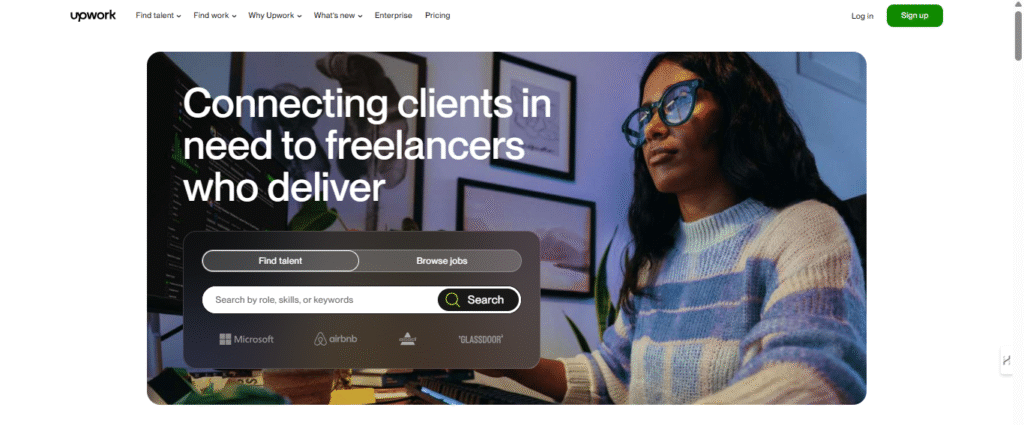
Upwork is one of the world’s largest freelancing marketplaces, connecting skilled professionals with global clients across diverse industries. It operates on a project-based and hourly structure, allowing freelancers to bid for jobs or receive invites based on their profile strength and job fit. From software development to customer support, Upwork is built for serious freelancers aiming to build long-term relationships with clients.
Why It Stands Out for Nigerians:
Upwork supports verified Payoneer and domiciliary account withdrawals, which makes it relatively accessible despite PayPal restrictions in Nigeria. The platform’s structured client-review system also helps legitimize your work history, crucial for building international credibility.
Anutio Tip:
Start with entry-level gigs in your skill area to earn reviews, then gradually bid on higher-paying jobs. Use Anutio to identify which in-demand skills are currently hot on Upwork—this helps you niche smartly and match with real opportunities. Also create a niche gig profile and use the “specialized profile” option.
- Signup Requirements: Profile approval, connects system
- Payout Systems: Payoneer, direct bank, dom account
- Why It’s Great: Global clients, structured workflow
- Limitations: High competition, proposal costs.
2. Fiverr
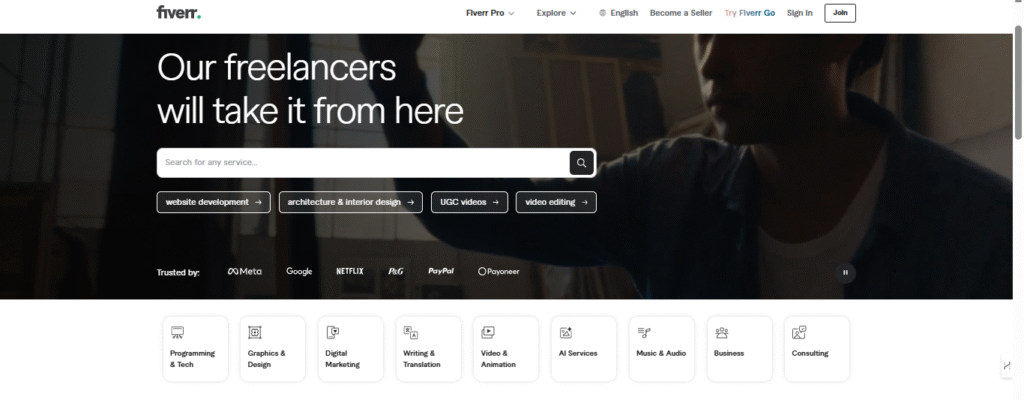
Fiverr is a gig-based freelancing platform where freelancers (called “sellers”) offer services (“gigs”) at fixed prices starting at $5. It’s perfect for creatives, digital marketers, voice-over artists, and tech professionals who want to package their skills into clear, ready-to-purchase offerings.
Why It Stands Out for Nigerians:
Fiverr has a relatively low barrier to entry and favors freelancers who know how to market their gigs well through visuals, SEO keywords, and excellent client communication. Payout options include Payoneer, which is Nigeria-friendly, and the platform handles client acquisition for you—perfect for beginners.
Anutio Tip:
Use local insights to niche down—e.g., offer Afrobeat lyric videos, CV redesigns for Canadian jobs, or Yoruba-English transcription. Optimize gig titles with keywords Nigerians search for (e.g. “CV writing for Nigerian professionals abroad”).
- Signup Requirements: Easy to start, profile + gig creation
- Payout Systems: Payoneer, bank transfer, crypto via third parties
- Why It’s Great: No proposals, passive gigs
- Limitations: Fiverr takes 20%, requires SEO effort
3. Toptal
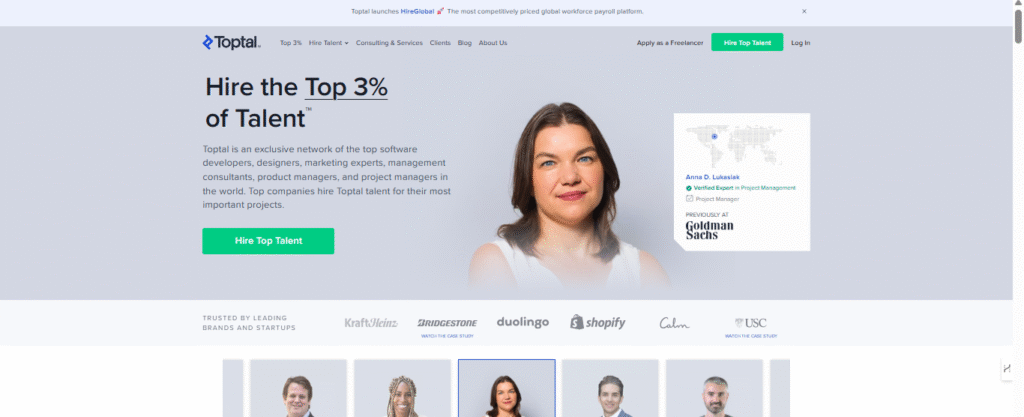
Toptal (short for “Top Talent”) is a high-end freelancing network that connects elite freelancers—mainly in tech, finance, and design—with Fortune 500 companies and startups. It boasts a rigorous screening process that accepts only the top 3% of applicants globally.
Why It Stands Out for Nigerians:
While Toptal has a steep entry barrier, it’s a goldmine for highly skilled Nigerian developers, designers, and finance consultants seeking long-term, well-paid, remote contracts. The clients are top-tier, and the payout process supports Nigerian-friendly methods like Payoneer.
Anutio Tip:
Before applying, refine your portfolio and prepare for multiple test stages. Anutio can help you assess whether your current skill level matches Toptal’s requirements and what to strengthen first. Use Anutio’s Career Map to review your resume before applying.
- Signup Requirements: Multiple rounds of vetting, test projects
- Payout Systems: Wire transfer, Payoneer
- Why It’s Great: High pay, elite clients
- Limitations: Extremely selective
4. PeoplePerHour
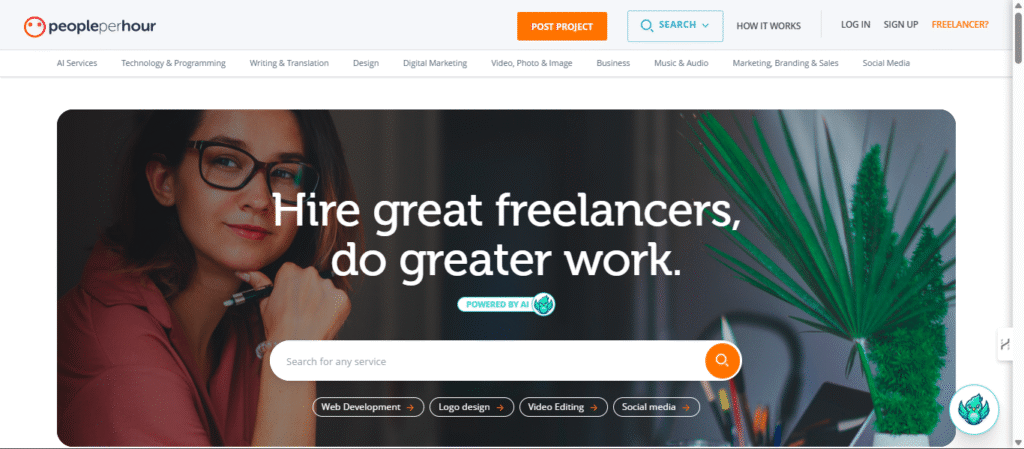
PeoplePerHour connects freelancers with clients on a project or hourly basis. It offers two paths: respond to job posts or create “Hourlies”—predefined service packages (similar to Fiverr gigs). It’s ideal for designers, writers, marketers, and coders.
Why It Stands Out for Nigerians:
The platform supports Payoneer, making withdrawals from Nigeria seamless. It’s also popular in Europe, so if you’re targeting clients in the UK or Germany, this is a great platform to build credibility.
Anutio Tip:
Use local trends (like Nigerian-themed branding or voiceovers) to stand out. Add local Nigerian context to your gig descriptions to attract diaspora clients.
- Signup Requirements: Detailed profile submission and approval process (not all applicants are accepted). Portfolio and identity verification recommended
- Payout Systems: Payoneer, Skrill, direct bank
- Why It’s Great: Less competitive than Upwork
- Limitations: Profile approvals are getting more competitive. You might need to apply multiple times or optimize your profile before approval
5. Freelancer.com
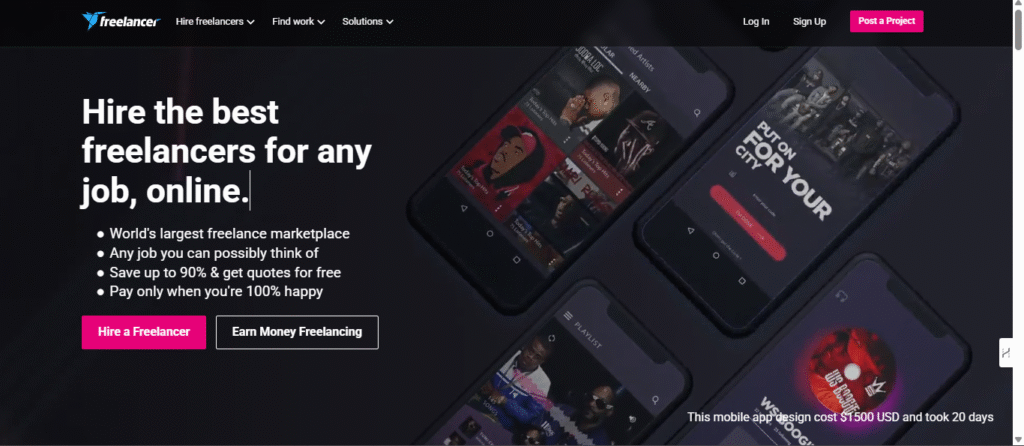
Freelancer.com is one of the oldest and most diverse freelancing platforms, hosting millions of jobs across industries like software, data entry, design, and engineering. It operates on a bidding system where freelancers compete for listed projects, and also offers contests for creative fields.
Why It Stands Out for Nigerians:
With global clients constantly posting jobs, Nigerians can land gigs in niches like writing, data entry, and digital marketing. The platform supports Payoneer and wire transfers, bypassing the PayPal roadblock. It’s also relatively beginner-friendly, though competition can be intense.
Anutio Tip:
Focus on quick-win jobs or contests to build a review base fast. Filter for verified employers only.
- Signup Requirements: Basic profile setup, identity verification, and connecting a payment method
- Payout Systems: Wire, PayPal, Skrill
- Why It’s Great: Beginner-friendly
- Limitations: Scammy clients, high service fees and intense bidding competition. Free accounts have limited bids, which may hinder visibility.
6. Guru
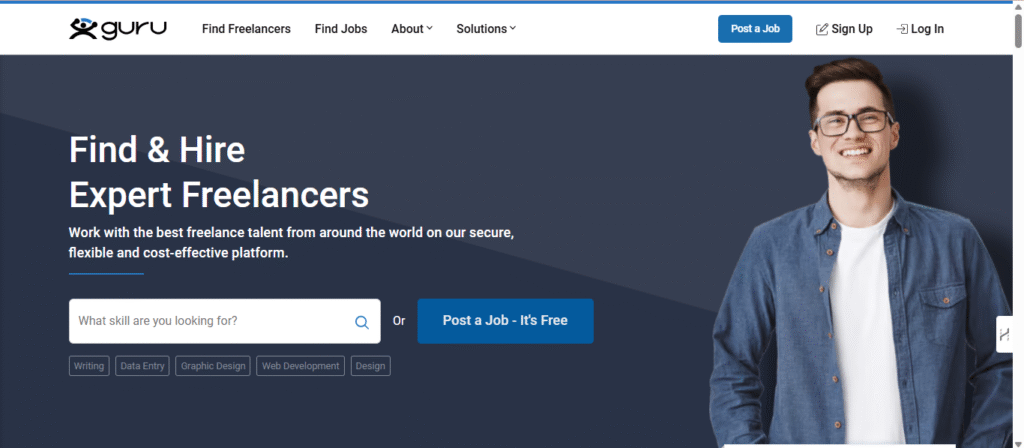
Guru is a flexible freelance platform best suited for experienced professionals in writing, IT, engineering, sales, and design. Its WorkRoom tool makes team collaboration and milestone tracking very efficient for long-term contracts.
Why It Stands Out for Nigerians:
Guru allows freelancers to quote on jobs with either a fixed rate or hourly model. It also integrates with Payoneer and wire transfers, making it accessible to Nigerians. Its vetting system helps weed out low-quality clients, which protects freelancers from scams.
Anutio Tip:
Guru favors niche experts—target industry-specific jobs and do keyword research to update your profile to meet exact job matches. Use Guru for retainer clients vs. one-offs.
- Signup Requirements: Professional profile, verification of skills, portfolio (optional but recommended)
- Payout Systems: Payoneer, wire transfer, direct bank deposit (no PayPal support for Nigerians)
- Why It’s Great: Multiple payment options
- Limitations: It’s less popular than Upwork or Fiverr, so there may be fewer gigs. Freelancers must also pay for monthly plans to unlock more bidding features
7. We Work Remotely
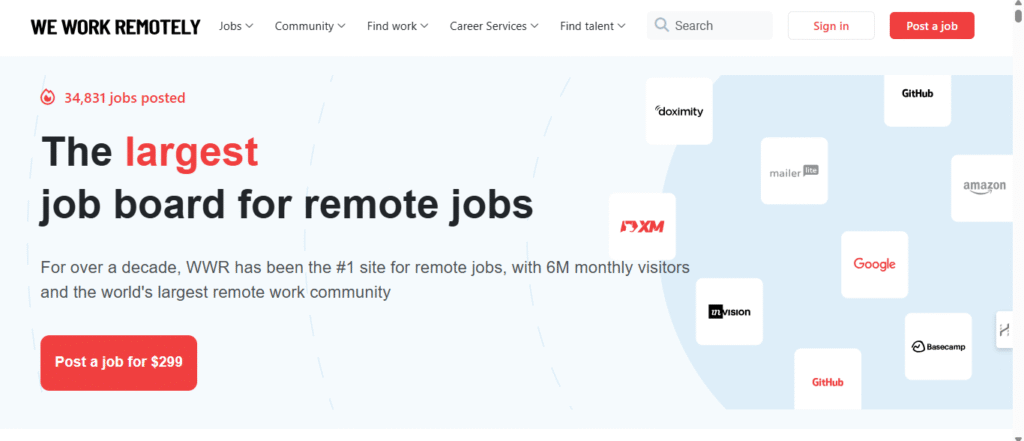
WWR is a premium job board known for curating full-time and part-time remote jobs in design, marketing, programming, customer service, and more. It’s a favorite among startups and mid-sized companies offering long-term roles.
Why It Stands Out for Nigerians:
You apply directly to companies, often without intermediaries or competition with 100+ bids. These are jobs, not gigs—great for Nigerians seeking consistent freelance or contract income. The jobs here pay well and come from credible companies.
Anutio Tip:
Always personalize your application—generic pitches won’t work here.
- Signup Requirements: No sign-up needed. Most applications are via direct email, form, or company career pages
- Payout Systems: Determined by the employer—many support Payoneer or international wire transfers
- Why It’s Great: Premium remote clients
- Limitations: High standards and job descriptions may require international-level experience. Tech skills are in higher demand than creative ones
8. Remote OK
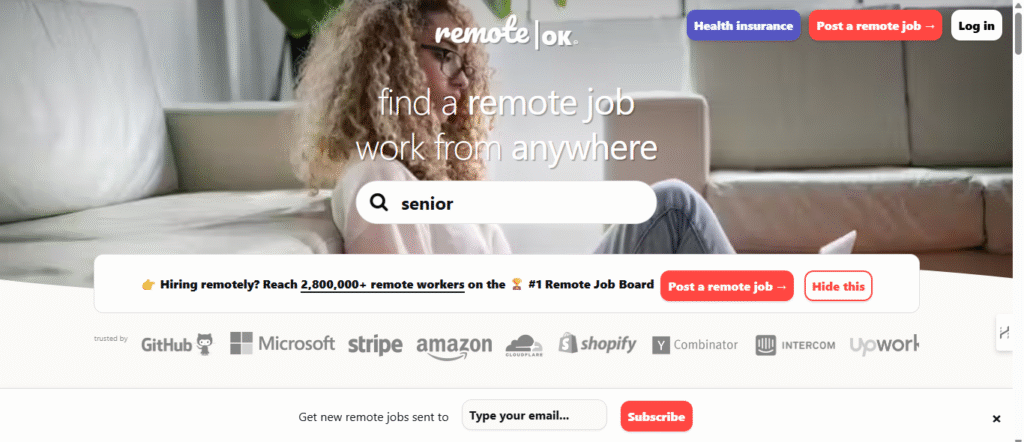
RemoteOK is a job board—not a traditional freelancing marketplace—that lists remote jobs from companies worldwide, especially in tech, customer support, marketing, and product management. Freelancers can apply directly to companies hiring globally.
Why It Stands Out for Nigerians:
No bidding wars! You apply directly to companies that are already hiring remote talent. Many job posts are high-quality with clear salary ranges and benefits. Some listings are even crypto-friendly or asynchronous, perfect for Nigeria’s time zone.
Anutio Tip:
Pair your RemoteOK search with a polished CV and GitHub or Behance portfolio. Also, a Turn on daily alerts for new postings in your niche.
- Signup Requirements: No account needed to browse; some employers require resumes, portfolios, or GitHub profiles
- Payout Systems: Varies by employer—many pay via Payoneer, crypto, or direct deposit.
- Why It’s Great: Newer roles, low competition
- Limitations: No internal client protection like Upwork; job volume for non-tech roles is limited
9. Truelancer
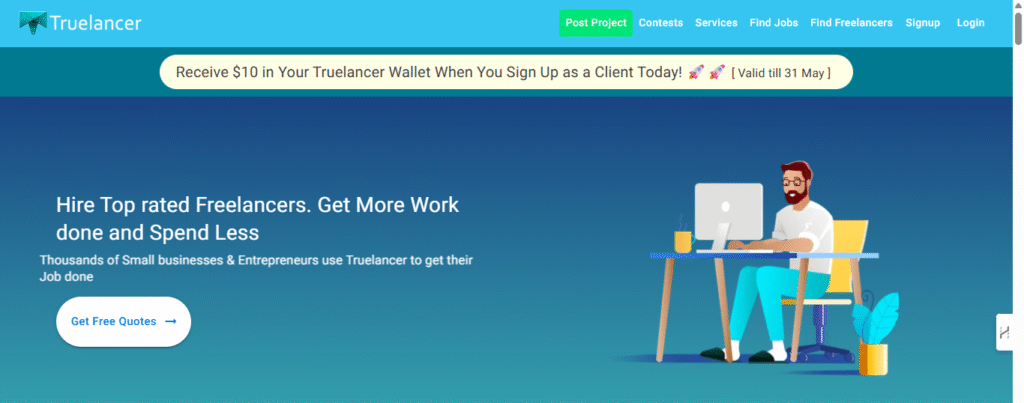
Truelancer is an India-based freelancing platform growing in popularity across Africa. It features jobs in development, design, writing, support, and admin. It offers hourly, fixed, and part-time projects, many from small business clients.
Why It Stands Out for Nigerians:
It’s less saturated than Fiverr or Upwork, so new freelancers stand a better chance. It also supports crypto payouts and Payoneer—two key payout options in Nigeria.
Anutio Tip:
Focus on international jobs or clients hiring for ongoing support tasks. Use Truelancer for small gigs to build reviews.
- Signup Requirements: Quick sign-up with optional identity verification. Portfolios and skill tests help you stand out
- Payout Systems: Payoneer, crypto, wire transfer
- Why It’s Great: Less saturated
- Limitations: Some job budgets are low due to its Asian base. You must filter carefully to avoid underpaid gigs
10. SolidGigs
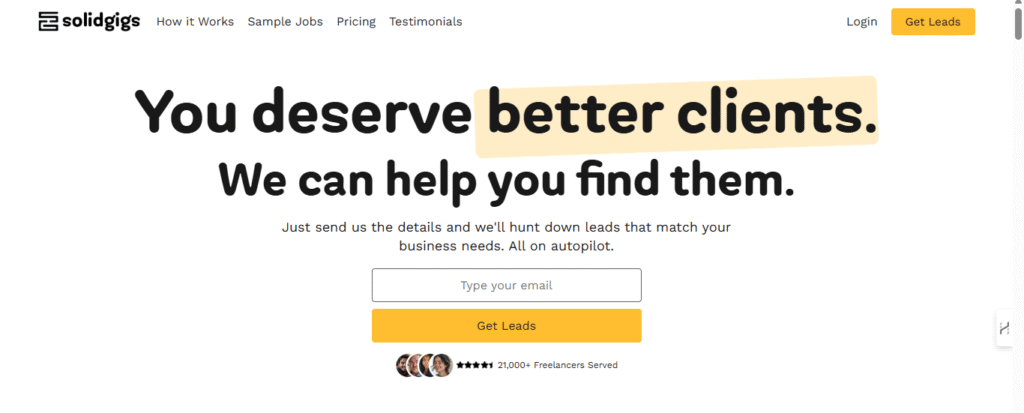
SolidGigs isn’t a traditional freelance marketplace—it’s a curated lead generation service. Instead of browsing job boards all day, SolidGigs handpicks the top 1% of freelance gigs from across the web and sends them straight to your inbox weekly. It’s ideal for experienced freelancers who want to save time and focus on closing deals.
Why It Stands Out for Nigerians:
No bidding wars. You’re not competing with thousands of freelancers—just applying directly to curated leads. It’s a time-saver for Nigerian freelancers with a clear niche and solid portfolio, especially in content writing, SaaS marketing, and design.
- Signup Requirements: No client-side profile required. Simply subscribe (paid monthly) to receive leads. You’ll need a strong pitch, resume, and/or portfolio to land gigs
- Payout Systems: Payment is handled off-platform—through the client directly. Most clients pay via Payoneer, PayPal, or Wise
- Why It’s Great: Saves time, high-quality gigs
- Limitations: There’s a monthly subscription fee (~$19), and it’s best for freelancers who already have clarity, confidence, and conversion-ready portfolios
11. Workana
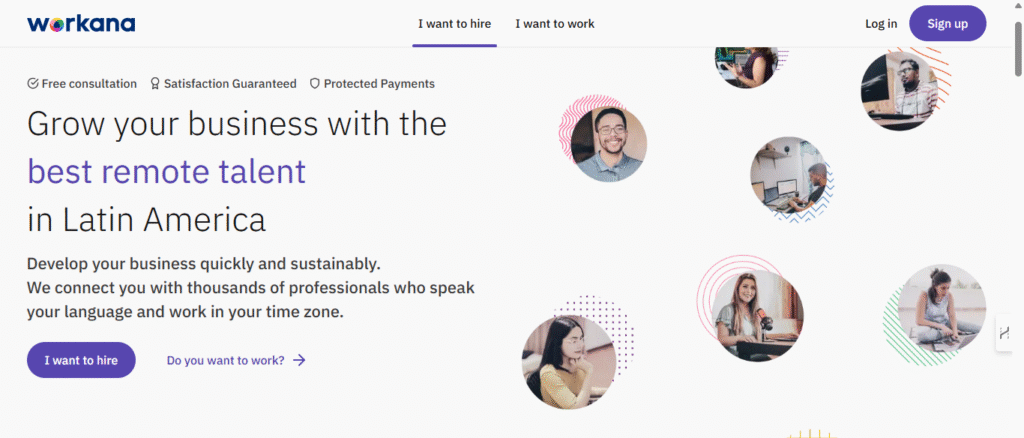
Workana is a Latin America–based freelancing platform that’s expanding into Africa and Asia. It supports long-term remote contracts and one-off gigs across marketing, IT, admin, writing, and translation. It’s structured similarly to Upwork, with a bidding model and a client feedback system.
Why It Stands Out for Nigerians:
Workana actively promotes remote hiring in Africa and supports payout methods accessible in Nigeria. It’s ideal for bilingual freelancers and those offering remote assistance, copywriting, or entry-level development.
Anutio Tip:
Translate your pitch using DeepL and target English-speaking clients.
- Signup Requirements: Create a profile, verify email, and bid on projects. Optional: upload portfolio and complete skills tests
- Payout Systems: Payoneer, bank transfer, and crypto via third-party wallets
- Why It’s Great: International demand
- Limitations: Most projects are in Spanish or Portuguese. However, English-speaking roles are growing. Budget rates can be lower than Western platforms
12. FlexJobs
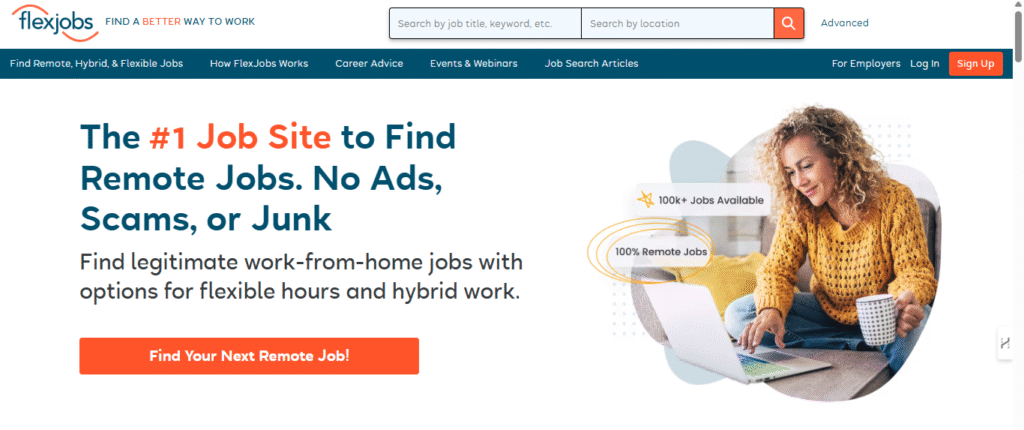
FlexJobs is a premium remote work and freelance job board that curates flexible, part-time, full-time, and project-based roles in 50+ career fields. Every job is screened for legitimacy—making it one of the safest platforms for global freelancers.
Why It Stands Out for Nigerians:
If you want serious freelance roles from Fortune 500s, nonprofits, and startups—this is your hub. Nigerian freelancers can find jobs in marketing, customer service, tech support, transcription, and more. Many companies on FlexJobs support global remote hiring.
Anutio Tip:
Create a search filter cheat sheet for FlexJobs so you only see roles that mention “remote international” or “global contractor.” This saves hours every week.
- Signup Requirements: Subscription required (plans from $2.95/week to $49/year). No bidding. Just apply directly
- Payout Systems: Handled by employer; often Payoneer, Wise, or direct bank transfers
- Why It’s Great: Scam-free listings
- Limitations: It’s not free, and not all employers hire globally. Carefully review listings to confirm eligibility for Nigeria-based freelancers
13. Latium
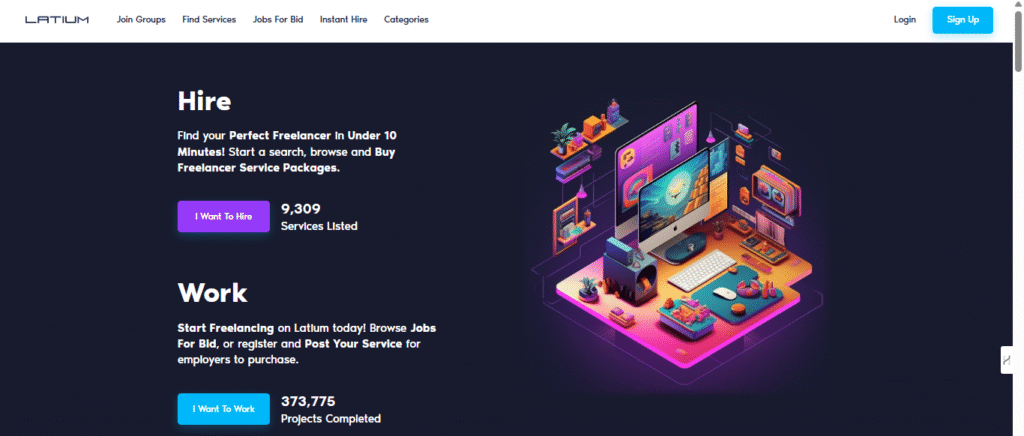
Latium is a crypto-powered freelancing platform designed for microtasks, creative projects, and technical gigs. It’s like Fiverr but powered by blockchain tech. Clients post jobs and pay in cryptocurrency (mainly USDT, BTC, ETH), though fiat payments are also possible.
Why It Stands Out for Nigerians:
For tech-savvy freelancers and crypto enthusiasts in Nigeria, Latium is a goldmine. It bypasses traditional banking limitations. Jobs range from graphic design and translation to NFT design and web dev.
Anutio Tip:
Don’t just apply—create custom crypto-themed packages (e.g., NFT avatar design or Web3 copywriting). Cash out via stablecoins and transfer to Binance or Luno in naira.
- Signup Requirements: Sign up, complete profile, crypto wallet recommended (Metamask or Latium Wallet), and apply for tasks
- Payout Systems: Crypto (USDT, ETH, BTC) or fiat via integrated payment gateways. No need for PayPal or Payoneer
- Why It’s Great: Great for Web3 enthusiasts
- Limitations: Volatility of crypto payouts. Also, not ideal for freelancers unfamiliar with digital wallets and blockchain basics
How to Choose the Right Freelance Platform for Your Skills
Not all freelance platforms are created equal. Some are ideal for beginners testing the waters. Others are competitive, high-paying arenas for seasoned pros. The key is choosing a platform that matches your skill level, industry, and freelance goals.
First, Ask Yourself:
- Are you just starting out, or do you have a portfolio?
- Do you prefer one-off gigs or long-term contracts?
- Do you want fast cash, experience, or reputation building?
- Are you in a “figuring-it-out” phase or deeply specialized?
Let’s break it down by category and find you the best fit.
Beginner Freelancers: Gaining Experience, Testing Skills
Best for:
- Entry-level creatives, admin support, data entry, virtual assistants, student freelancers, and those without a portfolio.
Recommended Platforms:
- Fiverr: Start simple. Sell specific services (e.g., “I’ll design your event flyer”) and build ratings fast.
- PeoplePerHour: Less competitive than Upwork, good for small gigs and local-style jobs.
- Latium: Microtasks and crypto gigs—great for building confidence and earnings simultaneously.
- Freelancer.com: Easy to join, plenty of entry-level projects in multiple categories.
Intermediate Freelancers: Some Experience, Ready to Grow
Best for:
- Freelancers with 6–18 months of experience, some client work, and a semi-polished portfolio.
- Roles: Graphic designers, frontend developers, content writers, translators, VA specialists.
Recommended Platforms:
- Upwork: Great for scaling up, especially if you can position yourself with a niche (e.g., eCommerce VA, B2B content writer).
- Workana: Strong for remote contract work across Latin America, now expanding in Africa.
- FlexJobs: Ideal if you’re targeting part-time or freelance work with established companies.
- SolidGigs: For freelancers who prefer to apply to curated, high-quality leads.
Advanced Freelancers: Specialists, Consultants, High Earners
Best for:
- Highly skilled freelancers with a strong portfolio, confident communication, and niche authority.
- Roles: Senior developers, SaaS writers, UX researchers, business consultants, legal advisors.
Recommended Platforms:
- Toptal: Elite network—apply only if you can pass rigorous screening (ideal for devs, designers, finance experts).
- SolidGigs: You don’t waste time searching. You get top-quality leads to pitch.
- We Work Remotely / Remote OK: Best for job-style freelancing or remote roles in tech and product.
Still Figuring It Out? No Problem.
You don’t need everything figured out to start. Some platforms are ideal for exploring, experimenting, and learning while earning.
Recommended Platforms:
- Freelancer.com: Try different project types.
- Latium: Microtasks to test your interest in design, writing, or marketing.
- Workana: Access flexible contracts while finding your niche.
Before you Join a Platform, Do This:
- Audit your skills. Use Anutio’s free “Career Map” to find ideal niches for your abilities.
- Set a micro-goal. e.g., “I want 1 client review in 2 weeks.”
- Polish your pitch. Even one strong portfolio item + a bold introduction can land you gigs faster than a cluttered, unfocused profile.
BONUS SECTION: Quick Start Guide
How to Get Your First Freelance Client in 30 Days (Even If You’re Starting From Scratch)
Getting started doesn’t have to be confusing. You don’t need a fancy website, massive portfolio, or 5 years of experience. What you need is focused action—and consistency. Here’s your step-by-step 30-day plan to land your first paying client.
Step 1: Choose Your Battlefield (Day 1–2)
Pick just 1–2 freelance platforms. Don’t scatter your energy. (Check what platform works for you in the previous section).
Step 2: Build a Basic Portfolio (Day 3–5)
No client yet? No problem. Create 2–3 mock samples to show what you can do.
✅ Use Canva to design:
– Instagram carousels
– Blog headers
– Resumes
– Brand kits
✅ Use Notion to build:
– A free portfolio page
– Case study layout
– Service menu
Keep it simple. Quality over clutter. Make it look clean and confident.
Step 3: Join the Freelance Hustle Circles (Day 6–10)
Find where your future clients and fellow freelancers hang out.
🔥 Join these:
- Facebook groups: “Freelancers.Africa,” “Upwork for Freelancers,” “Remote Jobs for Africans”
- Discords: Latium community, Freelance Marketplace, Tools for Thought,
Observe. Introduce yourself. Offer value before you pitch. And follow daily job posts.
Step 4: Start Pitching Daily (Day 11–29)
This is where magic happens.
📂 Save 3 pitch templates:
- One for Upwork proposals
- One for email outreach
- One for cold DMs on LinkedIn or Twitter
Pitch every day. Minimum 3–5 per day.
Track it. Refine it. Don’t wait for perfect.
🪄 Sample pitch opener:
“Hi [Client Name], I saw your need for a [service] and I’ve helped brands like yours with results-driven solutions. Would you like a free mini sample?”
Step 5: Use a 30-Day Client Tracker (Free Download)
Stay on track. Don’t ghost your own goals.
Your 30-Day Client Tracker Includes:
- Daily pitch log
- Follow-up reminders
- Notes on what’s working
- Platforms to prioritize
- Wins, feedback, and client leads
📥 [CTA: Download the Anutio 30-Day Client Tracker]
Use this tracker to turn actions into patterns—and patterns into paid clients.
Day 30: Celebrate + Reflect
Even if you don’t land a big client yet, here’s what you will have:
- A strong online presence
- Sample work ready to showcase
- Pitching experience
- Real platform familiarity
- Possible referrals or trials
And most importantly: Momentum.
Freelancing isn’t just another side hustle buzzword or a Gen Z escape route. It’s a full-blown transformation of how work happens across the world. From Enugu to Edmonton, Ibadan to Berlin, skilled Nigerians are plugging into global opportunities—and getting paid in strong currencies to do what they love.
But success doesn’t happen by chance. It happens when you prepare intentionally, choose smart platforms, and show up consistently.
Whether you’re just figuring things out, or ready to pitch clients from Day 1, remember this:
You don’t need to know everything to start. You just need to start with what you know.
But also be prepared:
- Track your progress (start with our free tracker!)
- Set up your payouts
- Learn your freelance rights and responsibilities
- Find your niche
- Build a mini-portfolio