Tag: AI job matching

  • The Ethics of AI in Hiring and Career Decisions

    The Ethics of AI in Hiring and Career Decisions

    Can the algorithm decide whether you get hired or not?
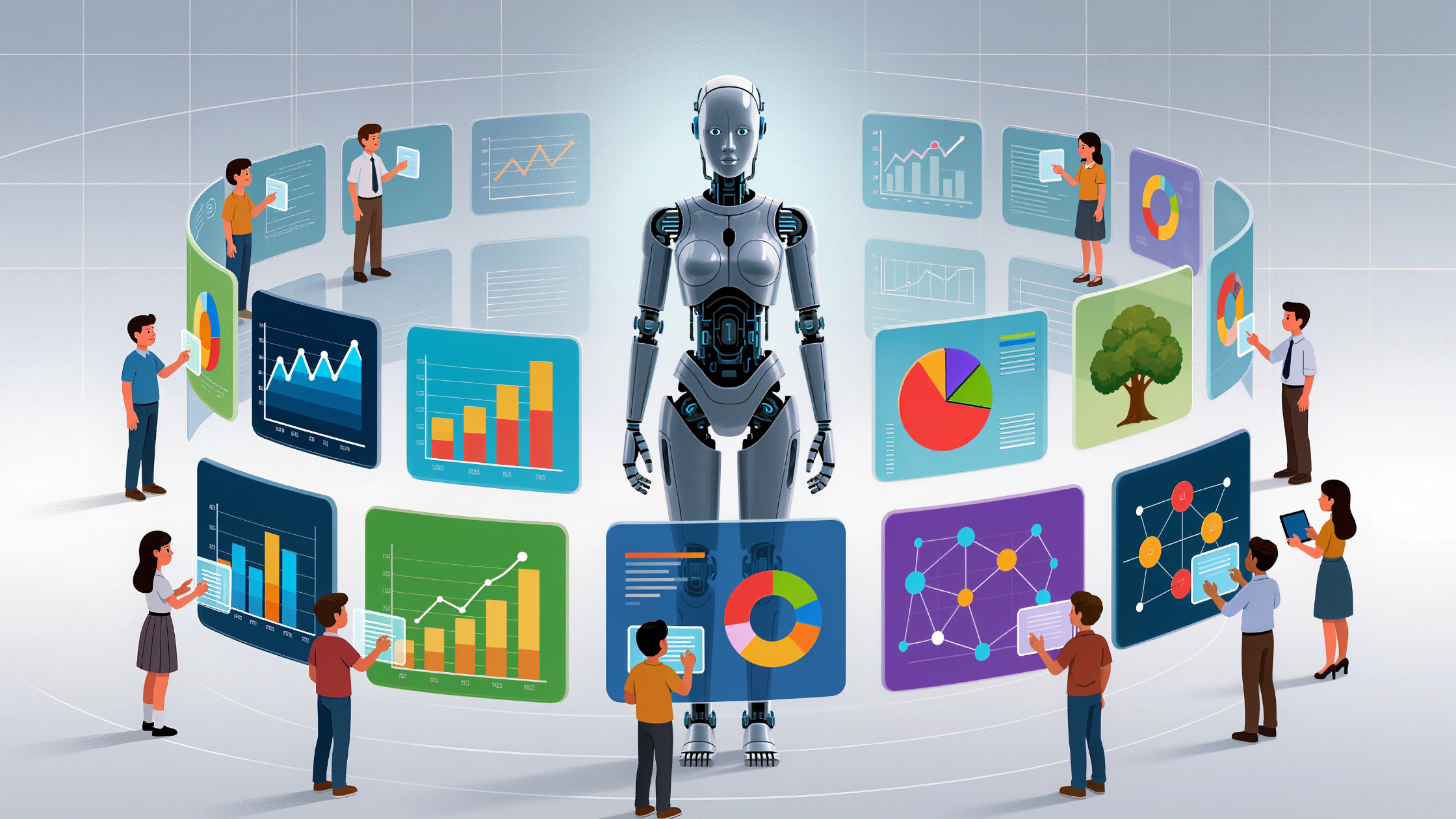
    Across industries, Artificial Intelligence (AI) is quietly reshaping how organisations hire, promote, and even assess talent potential. From résumé scanners to video-interview analytics, AI is now deeply woven into recruitment and career management.

    While this sounds futuristic and efficient, it also raises a bigger question, is it fair?

    Platforms like HireVue, Pymetrics, and Hiretual analyse facial expressions, tone of voice, and skill compatibility to predict a candidate’s success.

    But as Harvard Business Review notes, AI can easily amplify human biases rather than eliminate them. If the data fed into a model is biased, its decisions will also be biased and that means someone could be unfairly filtered out long before a human recruiter even sees their name.

    This is where the ethics of AI become important. As AI continues to guide how people find jobs or move forward in their careers, we must ask:
    Who ensures fairness?
    How transparent are these systems?
    And how can job seekers protect themselves?

    In this article, we’ll unpack how AI is changing the world of hiring and career choices, the ethical challenges behind it, and how platforms like Anutio are working to make career decisions smarter and fairer for everyone.

    Why AI Is Becoming Central to Hiring and Career Pathways

    In today’s job market, companies face a constant challenge, sorting through hundreds or even thousands of applications for every role. This has made AI an essential part of modern hiring.

    AI tools don’t just scan résumés; they learn patterns. They can predict which candidates might stay longer, which applicants fit company culture, or which skills align with future roles. A report from IBM highlights how AI helps organisations make data-driven hiring decisions, improving both efficiency and accuracy.

    For job seekers, this can mean faster responses and better job matches, when done right. Platforms such as LinkedIn’s AI job matching and Anutio’s smart-matching system use algorithms to connect professionals with roles suited to their career goals and transferable skills.

    However, as convenient as this is, it also introduces a subtle risk: automation without accountability. If you’ve ever been “auto-rejected” after applying for a job within seconds, chances are it wasn’t a recruiter, it was an algorithm making that decision.

    AI in hiring is not inherently bad. In fact, according to SHRM, when designed responsibly, it helps eliminate repetitive bias, reduce hiring time, and increase diversity. But when it operates in secrecy, it can unfairly disadvantage candidates, especially immigrants, students, or those whose experiences don’t fit traditional patterns.

    That’s why understanding AI ethics in recruitment is no longer optional, it’s essential.

    Ethical Challenges — Bias, Transparency, and Human Dignity

    The most serious concern with AI in hiring is bias, not the obvious kind we can easily see, but algorithmic bias. This happens when AI systems learn from historical hiring data that already contains inequality.

    For example, Reuters once reported that Amazon had to scrap its internal AI recruiting tool because it learned to prefer male candidates over female ones, simply because most of the company’s previous hires were men. The algorithm didn’t “mean” to discriminate, it just copied the patterns it was fed.

    Transparency is another issue. Most candidates don’t know when they’re being evaluated by AI, what criteria are being used, or how their data is stored. A World Economic Forum study warns that without clear disclosure and accountability, trust in AI-driven hiring could erode quickly.

    And beyond the data and code, there’s a deeper concern, human dignity.
    Hiring decisions are not just technical choices; they’re life-changing. Every rejection impacts a person’s confidence, finances, and future. That’s why ethics in AI must go beyond compliance, it’s about compassion.

    At Anutio, we believe AI should augment human decision-making, not replace it. Our approach focuses on building transparent, bias-checked systems that combine human expertise with AI insights. We want both recruiters and candidates to understand how decisions are made, and why.

    As Focus People notes, ethical recruitment practices should include diverse data sets, independent audits, and human-in-the-loop models to ensure fairness at every step.

    The conversation around AI and ethics isn’t just for tech companies, it’s for every professional navigating a digital-first world.

    Legal and Practical Implications for Organisations and Individuals

    The use of AI in hiring doesn’t just raise ethical concerns, it also touches on legal accountability and data protection. As more countries develop policies around algorithmic transparency and fair recruitment, companies must ensure their systems comply with local and international standards.

    In places like the European Union, the AI Act classifies AI used in hiring as a high-risk application. This means companies must document how their algorithms make decisions, provide human oversight, and prove that they aren’t discriminating. Similarly, Canada’s Artificial Intelligence and Data Act (AIDA) aims to ensure accountability for any AI used in employment or career management.

    For organisations, that means more than just compliance, it means building trust. A report from PwC points out that employees and job seekers are more likely to engage with companies that are open about their AI practices. This includes explaining what data is collected, how it’s used, and how human judgment fits into the process.

    For individuals, understanding your rights is key. If you’re applying for jobs in countries like Canada, the Office of the Privacy Commissioner of Canada offers guidelines to help job seekers understand how AI impacts their privacy. Always read company data policies, and ask how your information is being processed.

    At Anutio, we take a transparent approach by combining AI analytics with human validation, ensuring that ethical hiring isn’t just a buzzword, but a built-in standard. Our goal is to help organisations adopt AI responsibly while helping professionals make smarter, fairer career decisions.

    Best Practices for Building Ethical AI Hiring Systems

    So how do we move forward in a world where AI can both empower and endanger fairness? The answer lies in responsible design and human collaboration.

    Here are key principles that ethical AI hiring systems should follow:

    1. Transparency first: Candidates should know when and how AI is used in their application. Tools like AI Transparency Guidelines by OECD recommend clear communication about algorithms’ purpose and data use.
    2. Diverse training data: Avoid bias by training models on inclusive, multicultural datasets. A study by World Economic Forum highlights how diverse data reduces gender and racial bias in automated hiring.
    3. Human oversight: Always keep people in the loop. AI should assist, not replace, human recruiters. As Harvard Business Review suggests, AI performs best when balanced with empathy and context from real decision-makers.
    4. Regular audits: Algorithms evolve and so should the ethics behind them. Regular third-party audits, as recommended by Focus People, can identify bias, misclassifications, and compliance issues early.
    5. Career empowerment tools: Platforms like Anutio go a step further by ensuring fairness and accessibility in career decisions. We prioritise human judgment while using AI to match talent ethically across regions like Nigeria and Canada, giving both employers and professionals a transparent, trustworthy system.

    The Future of Fair AI in Careers

    AI will continue to play a bigger role in hiring and career decisions, but ethics will determine whether it becomes a tool of empowerment or exclusion. The goal isn’t to eliminate AI; it’s to make it human-centred.

    As we move into the future of work, let’s ensure our technologies serve fairness, not replace it. Whether you’re a company integrating AI into your hiring process or a job seeker navigating digital platforms, remember: ethical AI is everyone’s responsibility.

    At Anutio, we’re not just building AI-powered career tools, we’re building trust. Join us as we make career development smarter, fairer, and truly human.
  • Why Every Professional Should Have an AI Assistant for Their Career

    Why Every Professional Should Have an AI Assistant for Their Career

    If there’s one thing today’s professionals are short on, it’s time. Between endless emails, reports, and back-to-back meetings, there’s barely space to pause, plan, or think creatively. Yet, we’re expected to deliver more, faster, and smarter. That’s where AI assistants come in.

    AI isn’t just about robots or futuristic tech anymore. It’s becoming a trusted digital co-worker.

    Just like we once shifted from filing cabinets to cloud storage, or from typewriters to laptops, we’re now shifting to AI-powered work companions. Whether it’s helping you write better emails, summarizing meeting notes, managing tasks, or even suggesting skill upgrades, an AI assistant acts like your personal productivity partner.

    At Anutio, we’ve seen how professionals in Nigeria, Canada, and across the world are leveraging AI assistants to accelerate career growth, stay ahead of trends, and make smarter job or business decisions. AI isn’t replacing professionals; it’s elevating them.

    So, let’s unpack what these assistants actually do and why every professional, from fresh graduates to senior executives, needs one in 2025 and beyond.

    What an AI Assistant Really Does for Your Career

    Most people think AI assistants are just fancy chatbots, but that’s far from true. They’ve evolved into career companions that work across multiple tasks, helping you stay organised, focused, and productive.

    According to Meegle’s overview of AI assistants, these tools use natural language processing and predictive analytics to learn your work habits, identify patterns, and make suggestions that help you save time and make better decisions.

    Here’s what that looks like in real life:

    • Time Management: Tools like Motion or Reclaim.ai automatically schedule meetings, prioritise tasks, and block focus time based on your calendar and workload.
    • Email & Communication Support: Platforms such as GrammarlyGO or Notion AI help professionals write clearer, faster, and more confidently.
    • Research & Insights: Assistants like Perplexity AI or ChatGPT can summarise reports, extract insights, or generate first drafts of presentations in minutes.
    • Career Development: Some AI platforms, including Anutio’s AI Career Tools, go a step further, helping you identify skill gaps, match your profile to the right opportunities, and even prepare you for interviews using data-driven recommendations.

    In short, AI assistants are no longer “nice-to-have” tools; they’re career multipliers.

    A Fayrix report on AI assistants found that people who actively use AI tools save up to 30% of their working hours weekly. Imagine what you could achieve if an assistant took care of your repetitive work, freeing you to focus on innovation, learning, or even taking that long-overdue break.

    At Anutio, we’ve noticed a clear trend: professionals who integrate AI into their workflow aren’t just more productive, they’re also more confident, adaptable, and market-ready.

    Why It’s Especially Important

    We’re living in a work era where everything changes, fast. New tools emerge every month, job roles evolve overnight, and entire industries are being reshaped by automation. But here’s the catch: while technology moves forward, professionals who adapt move faster.

    A Stanford HAI study found that most workers don’t fear AI, they want it to make their work easier. People aren’t looking to be replaced; they’re looking to enhance how they work. That’s why AI assistants are becoming central to modern careers.

    Let’s break down why this matters:

    • The Time Crunch Is Real: Between hybrid meetings, Slack pings, and deadline chaos, professionals spend more than 60% of their time on repetitive tasks, tasks that don’t truly grow their careers. AI assistants automate scheduling, note-taking, follow-ups, and even brainstorming, so you can spend time doing high-value work that actually moves the needle.
    • The Skills Shift Is Constant: AI assistants like Anutio’s AI Career Companion can help you identify skill gaps, recommend training paths, and even suggest certifications based on your career goals.
    • Global Competition Is Rising: Whether you’re a designer in Lagos or an analyst in Toronto, your peers are not just local anymore, they’re global. AI assistants give you an edge by helping you stay efficient, upskill faster, and respond to market trends in real time.
    • Burnout Is Climbing: A Microsoft Work Trend Index shows professionals are feeling “digital exhaustion.” AI assistants lighten that load by automating cognitive clutter, emails, scheduling, report summaries, so you can focus on creative problem-solving and mental wellness.

    In short, the professionals thriving in 2025 aren’t those who work harder, they’re the ones who work smarter with AI.

    And that’s where strategic platforms like Anutio step in: we’re not just helping people find jobs, we’re helping them design future-proof careers powered by AI awareness and digital fluency.

    How Professionals Can Get Started (and Avoid Pitfalls)

    You don’t need to be a tech expert to start using an AI assistant. You just need clarity, on what you want to improve and the kind of tasks that drain your time.

    Here’s a simple, proven roadmap to get started:

    1. Assess Your Workflow:
      Start by identifying your bottlenecks. Is it time management? Emails? Learning new skills? A short audit helps you decide where an AI assistant fits best.
      Try using a workflow mapping tool like Notion AI or ClickUp Brain to visualise your daily routine.
    2. Choose the Right Assistant:
      Not all AI tools are equal. Some specialise in productivity (like Motion), others in communication (like GrammarlyGO). Platforms like Anutio help you align your tool choices with your career path and professional goals.
    3. Integrate It Into Your Workflow:
      Make your AI assistant part of your daily rhythm. Use it to draft reports, summarise meetings, or brainstorm social media ideas, small, consistent use adds up to big gains over time.
    4. Avoid Overreliance:
      AI should assist, not decide for you. Always review its suggestions and tailor them with your human judgment. The magic happens when human creativity meets machine efficiency.
    5. Keep Learning:
      The most successful professionals treat AI as a skill, not a shortcut. Explore free microlearning platforms like Coursera’s AI for Everyone or Google’s AI Essentials to understand how to use it responsibly and effectively.

    If you build this routine early, you’ll notice something incredible, you’ll get more done in less time, without the constant feeling of being behind.

    And in a market where time equals opportunity, that’s your greatest competitive advantage.

    How Anutio Can Help You Leverage an AI Assistant for Career Success

    AI is powerful, but it’s even more powerful when you know how to use it strategically for your career growth. That’s where Anutio comes in.

    At Anutio, we’ve built a career platform designed for professionals, students, and businesses that want to make AI work for them, not overwhelm them. Our tools and programs go beyond theory; they connect you with real, data-backed insights that help you make smarter career moves.

    Here’s how we help:

    • AI-Powered Career Matching:
      Our system uses AI to connect you with job opportunities that align with your skills, experiences, and future goals, ensuring that you’re not just applying blindly but positioning yourself where you’re most likely to thrive.
    • Skill Gap Detection & Growth Paths:
      With our AI-driven assessments, you can easily identify the skills you lack and get actionable recommendations for improvement. We even link you to curated online learning programs like LinkedIn Learning and Coursera that match your industry and target roles.
    • AI Mentorship & Support Systems:
      Through our platform, we connect professionals to mentors, HR specialists, and AI career tools that help them navigate modern workplace challenges, from resume optimization to performance tracking.
    • Future-Ready Career Roadmaps:
      Using predictive analytics, Anutio maps out where your career could go in the next 3–5 years based on your current trajectory, helping you stay relevant and ahead of skill trends identified in global reports like the World Economic Forum’s Future of Jobs 2023.

    Anutio isn’t just helping people find jobs; we’re building future-ready professionals who can grow with technology, not compete against it.

    So whether you’re a fresh graduate looking for direction, a mid-career professional facing burnout, or a company trying to build smarter teams, Anutio helps you unlock AI’s potential step by step, clearly, responsibly, and effectively.

    AI assistants aren’t the future, they’re the present reality of career growth. They’re helping professionals across industries streamline tasks, discover opportunities, and build skills faster than ever before.

    But the key isn’t just using AI; it’s knowing how to leverage it with purpose. When paired with the right platform, like Anutio’s smart AI ecosystem, you get more than tools. You get clarity, control, and confidence in how you build your career.

    The professionals who thrive in this next era will be those who embrace AI collaboration, not competition. The question now isn’t “Will AI take my job?”, it’s “Will I let AI help me grow my career?”

    At Anutio, we’re here to make sure the answer is a bold yes.

    So, start today. Try integrating a small AI assistant into your workflow and when you’re ready to go further, visit Anutio.com to discover how our AI-powered career platform can help you stay ahead, stay skilled, and stay future-ready.