
Tag: Career Advice

  • The Top Mistakes Entry-Level Candidates Make on Their Resumes

    The Top Mistakes Entry-Level Candidates Make on Their Resumes

    If you’re just starting your career, your resume is like your personal billboard. It’s the first thing hiring managers see, and in many cases, it decides whether you get an interview or not. Many fresh graduates and entry-level job seekers unknowingly make mistakes that keep them from getting noticed.

    It’s not always about having zero experience. In fact, even seasoned recruiters say that simple errors, like vague descriptions or poor formatting, are what push resumes to the “no” pile before they’ve even been read. According to TechTarget, most resume issues aren’t about what’s missing; it’s about what’s done wrong.

    You can fix most of these mistakes quickly and make your resume stand out. Let’s look at the top errors entry-level candidates make, starting with the most common one.

    1. Sending the Same Resume to Every Job

    One of the biggest slip-ups new job seekers make is using a “one-size-fits-all” resume. You know the kind you create one version, save it on your laptop, and send it to every single employer. The problem? Recruiters and Applicant Tracking Systems (ATS) can tell when your application isn’t tailored to the role.

    For example, if a marketing assistant job posting mentions “social media campaign management” but your resume only says “handled online promotions,” you’ve missed a chance to match the employer’s keywords. And in today’s hiring process, ATS filters are often the first hurdle you have to clear.

    How to fix it:

    • Read the job description carefully and mirror important phrases in your resume.
    • Highlight relevant skills and projects that match the role.
    • Keep a base resume, but tweak it for each application. This small step can make a big difference.

    2. Using Vague Descriptions Instead of Results

    Another common mistake is describing your experience in a way that sounds like a generic job description. Saying “assisted in events” or “helped with reports” doesn’t really tell employers what you achieved. Recruiters, like the ones interviewed by Business Insider, often recommend that candidates focus on impact, not just duties.

    If two people say they “worked on social media,” but one adds “increased engagement by 35% in three months,” who’s going to stand out? Employers want to see numbers, improvements, or tangible outcomes.

    How to fix it:

    • Add metrics wherever possible (percentages, time saved, revenue earned, etc.).
    • Replace task-based bullet points with results-based statements.
    • Use action verbs like “increased,” “launched,” “reduced,” or “achieved” to make your impact clear.

    3. Leaving Out or Misplacing Key Contact Details

    It might sound unbelievable, but many fresh job seekers forget to put the most basic details on their resumes—like a phone number or email address. Others include an email that screams “not serious,” like cuteboy2024@gmail.com. According to TechTarget, this is a quick way to make recruiters question your professionalism.

    Your contact details should be easy to find—usually at the top of your resume. And if your LinkedIn profile is updated and professional, include that too. Just make sure all the information is correct and up-to-date.

    How to fix it:

    • Use a professional email address with your name in it (e.g., firstname.lastname@gmail.com).
    • Include your phone number, city, and state (no need for a full address anymore).
    • Add a link to your LinkedIn or portfolio if relevant to your field.

    4. Forgetting About Keywords for ATS

    Even if your resume looks good to the human eye, it might not get past the company’s software filter if you don’t use the right keywords. Applicant Tracking Systems are designed to scan for specific words that match the job description.

    How to fix it:

    • Pull keywords directly from the job posting (skills, software names, qualifications).
    • Place them naturally in your bullet points and summary, don’t stuff them in.
    • Use both the full term and common abbreviations (e.g., “Search Engine Optimisation (SEO)”).

    5. Overcrowded Formatting and Distracting Designs

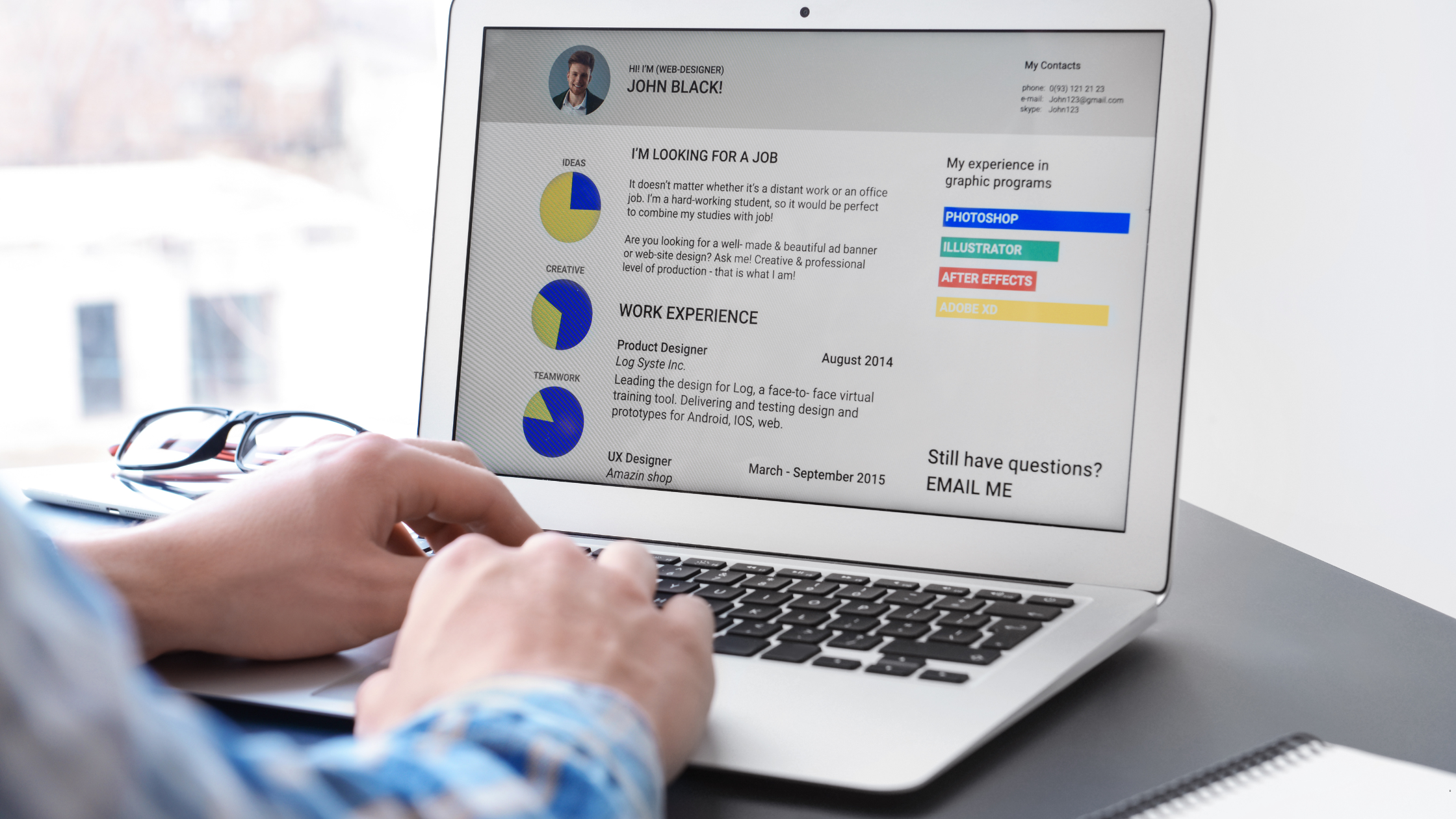
    You might think adding colourful backgrounds, fancy fonts, and headshots will make your resume pop, but in reality, they often make it harder to read. Worse, some designs confuse ATS software, causing your resume to be rejected automatically.

    How to fix it:

    • Stick to one or two easy-to-read fonts.
    • Use bullet points instead of long paragraphs.
    • Keep margins clean and sections clearly labelled.
    • Limit your resume to one page if you have less than five years of experience.

    6. Typos, Grammar Errors, and Inconsistent Formatting

    Nothing makes a recruiter lose interest faster than sloppy writing. A single typo in your email address can make you unreachable. According to Allied OneSource, grammar errors can make employers question your attention to detail, even if you’re perfect for the job.

    How to fix it:

    • Proofread your resume at least twice, once on screen and once on paper.
    • Use free tools like Grammarly to catch small errors.
    • Ask a friend to review it; fresh eyes spot mistakes you might miss.

    7. Making It All About Tasks, Not Value

    This is a mistake that goes beyond vague wording; it’s about mindset. Many entry-level resumes focus entirely on what the candidate did, not what they achieved. As Business Insider points out, employers want to know how you’ll add value to their team.

    Instead of “answered phone calls,” say “resolved customer issues, improving satisfaction scores by 15%.” Instead of “managed inventory,” try “streamlined stock tracking, reducing shortages by 20%.” It’s about showing how your presence made a difference.

    How to fix it:

    • Think in terms of results, not just responsibilities.
    • Use the STAR method (Situation, Task, Action, Result) to shape bullet points.
    • Even school projects, volunteer work, and internships can be written with impact.

    8. Ignoring the Power of a Strong Summary or Objective

    Some entry-level resumes jump straight into education or work history without a brief summary. While optional, a strong opening statement can immediately tell recruiters who you are and what you bring to the table. As HR Fraternity explains, this is especially useful when you don’t have years of experience to show.

    Your summary shouldn’t be a generic line like “looking for a challenging role in a dynamic organisation.” That’s vague and forgettable. Instead, make it specific and skill-focused:

    “Recent marketing graduate with hands-on experience in social media campaigns, eager to help brands grow their online presence.”

    How to fix it:

    • Keep it 2–3 sentences max.
    • Highlight your strongest skills or achievements right away.
    • Tailor it to the role you’re applying for.

    Conclusion

    Your resume is often your first (and sometimes only) chance to make an impression. While it’s tempting to believe that having a degree or some internship experience is enough, the truth is that presentation and relevance matter just as much. Many fresh graduates and first-time job seekers lose opportunities simply because of avoidable mistakes.

    By personalising each application, focusing on results instead of just tasks, cleaning up your formatting, and including the right details and keywords, you can stand out, even in a crowded job market. As Business Insider points out, the difference between a “maybe” and a “yes” often comes down to small but impactful changes.

  • How to Make Your Resume ATS-Friendly in 2025

    How to Make Your Resume ATS-Friendly in 2025

    If you’ve ever sent out dozens of resumes and heard nothing back, there’s a good chance it wasn’t a recruiter ignoring you; it was software. Most companies now use an Applicant Tracking System (ATS) to scan and filter resumes before a human ever sees them. In 2025, these tools will be even smarter, which means if your resume isn’t ATS-friendly, it might never make it past the first round.

    The good news? Creating an ATS-friendly resume doesn’t mean stripping away all personality. It’s about using a simple format, clear headings, and the right keywords so both the system and the recruiter can understand your experience. In this guide, we’ll break it down step-by-step, starting with your resume’s layout and style.

    1. Use a Clean, Simple Format

    When it comes to ATS, less really is more. These systems don’t read resumes the way we do; they follow patterns. If your design is too complex, you risk confusing the software and losing key details.

    Stick with a reverse chronological layout (latest job first) because it’s the easiest for ATS to scan and for recruiters to follow. Avoid tables, headers, graphics, or text boxes; they might look great to you, but an ATS can’t always process them correctly (here’s why).

    Choose safe fonts like Arial, Calibri, or Times New Roman in 10–12 pt size. Fancy fonts or odd sizes can get scrambled during parsing. Think of it like writing a clear message for a robot to read; the simpler and cleaner, the better.

    2. Label Sections Clearly & Stick to Standard Headings

    An ATS doesn’t “guess” what you mean. If you use creative headings like “My Journey” instead of “Work Experience,” the system might not recognise it. Always stick to standard section titles like Work Experience, Education, and Skills.

    This way, the ATS knows exactly where to find and store your information. It also helps recruiters who might be scanning hundreds of resumes in one sitting. Clear labels save them time, and that’s always a good thing for you.

    3. Incorporate Relevant Keywords Naturally

    ATS software is basically a keyword scanner. It matches the words in your resume to the words in the job description. If there’s a good match, you move forward. If not, your resume might get ignored, even if you’re a perfect fit.

    Start by reading the job posting carefully and picking out repeated skills, qualifications, and industry terms. Then, weave those keywords naturally into your summary, skills section, and bullet points. For example, if the ad says “project management” five times, make sure that exact phrase appears in your resume, assuming you actually have that skill.

    Don’t overdo it, though. Keyword stuffing makes your resume sound robotic and could backfire if a recruiter thinks you’re trying to cheat the system. The goal is balance: enough keywords to pass the ATS filter, but still clear and natural for human eyes.

    4. Choose the Right File Format

    You could write the most perfectly optimised resume, but if you save it in the wrong format, it might never get read. Many ATS systems prefer .docx or plain PDFs, but always check the job posting first.

    If the employer asks for a Word document, send a Word document. If they request PDF, send a PDF, but make sure it’s created from a text-based file, not a scanned image. A scanned resume is just a picture, and the ATS can’t “read” it (here’s why).

    5. Validate & Refine With ATS Tools

    Before you hit “send,” test your resume with an ATS checker like Jobscan to see how well it matches the job description. Tools like this can highlight missing keywords, formatting issues, and sections that could be stronger.

    You can also explore ATS-aware builders like Kickresume, Resume.io, or Zety if you want templates that are already designed with these systems in mind. This is especially helpful if you’re applying to large companies that get hundreds of applications a day.

    Best Practices

    An ATS-friendly resume in 2025 isn’t about beating the system; it’s about working with it. Use a clean layout, stick to standard headings, weave in relevant keywords, choose the right file type, and run a quick ATS test before submitting.

    The main thing? Keep it simple, clear, and tailored for each job you apply to. When both the robot and the recruiter can easily read your resume, your chances of getting that interview go way up.

  • From Volunteer Work to Internships: How to Fill Resume Gaps as a Graduate

    From Volunteer Work to Internships: How to Fill Resume Gaps as a Graduate

    If you’ve just graduated and your résumé has a few blank spaces, you’re not alone. Many fresh graduates worry about how those gaps will look to employers. But career gaps are not the end of the world. In fact, with the right approach, they can even work in your favour.

    Instead of seeing those empty spaces as a problem, view them as opportunities to demonstrate initiative, acquire new skills, and enhance your personal brand. Employers today care less about whether you’ve worked non-stop and more about how you’ve used your time productively.

    Whether you spent months figuring out your career direction, helping your community, or building side projects, you can turn those experiences into valuable talking points on your résumé. As Forbes points out, what matters is how you frame your story and show the skills you gained along the way.

    Why Résumé Gaps Aren’t Career Death

    The first thing to know is that gaps occur in the careers of almost everyone, especially early on. Employers are used to seeing them. What they’re looking for is how you’ve spent that time.

    Instead of hiding the gap, you can fill it with relevant activities that prove you’re still learning and growing. This could be volunteering, internships, personal projects, online courses, or even part-time work.

    For example, LinkedIn Career Advice suggests treating every activity during your gap like a real job. This means listing it on your résumé with a role title, clear responsibilities, and measurable results, just like you would for paid work.

    When you do this, that “gap” starts to look less like a pause and more like a career-building chapter.

    Volunteer Work – Showcase Skills and Impact

    Volunteering isn’t just “helping out” for free—it’s a chance to prove your skills in action. Whether you helped organise a community event, managed social media for a non-profit, or tutored students, those experiences can stand out on your résumé.

    As ResumeHead explains, volunteer work can be a powerful way to show transferable skills like leadership, communication, and problem-solving. The key is to quantify your impact. Did you help raise a certain amount in donations? Grow a social media account by a certain percentage? Recruit and train a team of volunteers? These numbers make your contribution clear and impressive.

    If you’re not sure where to start, look for opportunities through platforms like VolunteerMatch or local organisations in your area. Even short-term or one-off projects can give you real examples to talk about in job interviews.

    And as LinkedIn points out, the best part about volunteer work is that it also builds your network, sometimes leading directly to job offers.

    Internships – Structure, Mentorship & Relevance

    Internships are one of the easiest ways to fill résumé gaps because they’re structured, guided, and often connected to the industry you want to work in. And the good news? Both paid and unpaid internships count.

    As Forbes highlights, internships give you the chance to work on real projects, receive feedback from experienced professionals, and learn how things actually work in your field. They also show employers that you’re committed to building your skills, even if you’re not earning a full-time salary yet.

    When you list an internship on your résumé, treat it like a job. The HR Fraternity Career Guide suggests detailing:

    • Your role title
    • The key tasks you handled
    • The results you achieved (use numbers when possible)

    For example: “Coordinated a student marketing campaign that reached 2,000 people and increased event attendance by 40%.” This turns your internship from “just experience” into tangible proof of your abilities.

    Academic & Personal Projects – Demonstrate Initiative

    If internships or volunteer opportunities aren’t available, your own projects can still count. Employers want to see that you can take initiative. That could mean leading a school club, creating a portfolio website, or developing a research project.

    According to Career Higher, these projects are just as valid as formal work experience, especially if they’re relevant to the job you’re applying for.

    Let’s say you studied computer science but haven’t worked for a company yet. You could highlight a personal app you built, a group coding project, or even a freelance job you took through a friend’s referral. If you’re in marketing, maybe you ran a small online campaign for a family business. If you’re in design, maybe you created a brand identity for a student organisation.

    The goal is to connect your project to real-world skills. If you worked on it with others, talk about teamwork. If you planned it from scratch, explain your process. And always, always share the outcome.

    Networking, Online Learning & Profile Building

    Your résumé gaps can also be filled with professional development activities that don’t look like traditional jobs. This could be:

    • Taking online courses on Coursera or Udemy
    • Attending industry conferences
    • Getting certifications in tools or methods used in your field
    • Doing part-time gigs or remote freelance work

    The team at Work Well Remote points out that adding certifications or online courses shows you’re committed to staying relevant.

    You can also use this time to build your professional presence on platforms like LinkedIn. Share your projects, post about what you’re learning, and connect with people in your industry. Many graduates find jobs not by applying cold, but through relationships they’ve nurtured online and offline.

    Integrating Everything into Your Résumé & Interview Prep

    Once you’ve collected these experiences, it’s time to package them well. Instead of squeezing them all into “Work Experience,” you can create sections like Volunteer Experience, Relevant Projects, or Professional Development.

    As LinkedIn Career Tips suggests, format these sections exactly like a job entry: role title, organization, dates, bullet points of achievements. This keeps your résumé consistent and easy for recruiters to read.

    When preparing for interviews, use the STAR method, Situation, Task, Action, Result, to explain your experiences. For example:

    • Situation: “I joined a non-profit’s social media team as a volunteer.”
    • Task: “I needed to increase engagement for their events.”
    • Action: “I created weekly themed content and collaborated with event coordinators.”
    • Result: “We doubled event attendance in three months.”

    Framing your experience this way helps employers connect the dots between your résumé and the value you can bring to their company.

    A gap on your résumé doesn’t mean you’re unqualified; it means you have space to fill with experiences that matter. Whether it’s through volunteering, internships, personal projects, or learning new skills, you can turn that time into a strong story that sets you apart.

  • Decoding Soft Skills: What Entry-Level Resumes Often Hide

    Decoding Soft Skills: What Entry-Level Resumes Often Hide

    When you’re fresh out of school or just starting your career, your resume often focuses on grades, degrees, and maybe a few internships. But employers aren’t only looking at your technical skills. In fact, many recruiters now place equal or even higher value on soft skills like communication, adaptability, and teamwork.

    Why? Because these are the skills that keep you relevant no matter how quickly jobs or industries change. A 2024 Forbes report found that soft skills now appear in 80% of top resume listings, up from just 45% a few years ago. That’s a big jump, and it tells us that being good at your work is only part of the story. Being good with people and situations is the other part.

    And yet, so many entry-level resumes completely overlook these skills. Not because job seekers don’t have them, but because they don’t think to write them down in a way that feels real and convincing. That’s what we’re going to fix.

    Commonly Overlooked Soft Skills in Entry-Level Resumes

    When I look at resumes from fresh graduates, I often see the same pattern: lots of “hard” skills like coding, data analysis, or using specific tools, but very few clues about how they actually work with people. And the thing is, employers want both.

    Here are some soft skills that often stay hidden:

    • Adaptability – Your ability to adjust quickly to new situations, deadlines, or tools. For example, learning a completely new software in a week shows adaptability.
    • Emotional Intelligence – The way you read situations, understand others’ emotions, and respond wisely. This is one of the top traits employers say is missing in new hires.
    • Learning Agility – Your willingness to learn on the go. Employers value people who can pick things up fast without waiting for formal training.
    • Time Management – The ability to handle multiple tasks without missing deadlines. This becomes even more important in fast-paced workplaces.
    • Teamwork – Not just “getting along” with people, but actively contributing to a group’s success. That could be leading a project at school or coordinating a group presentation.

    Many graduates think these skills are “too obvious” to mention, but they’re not. Employers can’t read between the lines unless you show them. And when you do, it instantly sets your resume apart from the dozens of others that only list technical know-how.

    How to Reveal Hidden Soft Skills Effectively

    Simply listing “communication” or “teamwork” in the skills section won’t make an employer take notice. You have to show those skills in action. That’s where a lot of fresh graduates miss the mark.

    One of the easiest ways to do this is by working your soft skills into the bullet points under each experience on your resume. Instead of writing:

    “Worked on a group project in final year”

    you could say:

    “Co-led a 5-person team to deliver a marketing campaign project, improving presentation clarity by 30%.”

    That second version not only tells them you worked in a team, it shows leadership, communication, and measurable results.

    Career experts recommend quantifying your achievements wherever possible, even for school projects or internships. Numbers catch the eye, and they make your claims more believable.

    Another tip? Use small stories or examples. Instead of “adaptable,” write something like:

    “Learned and used new project management software within one week to meet urgent client deadlines.”

    This method, sometimes called the STAR approach (Situation, Task, Action, Result), is widely used in interviews but works just as well on resumes. And if you’re not sure how to frame it, you can look at real entry-level resume examples that integrate soft skills naturally.

    Why Revealing Soft Skills Wins Interviews and Jobs

    Hiring managers know they can teach someone how to use a tool, but it’s much harder to teach someone how to manage time, work well under pressure, or understand different personalities. That’s why soft skills have become such a big deciding factor, especially in entry-level hiring.

    Research from Reuters shows companies that invest in developing soft skills in their employees actually see better productivity and lower turnover. That means employers aren’t just scanning your resume for hard skills, they’re actively hunting for signs you have these human skills that keep teams running smoothly.

    For you, this is a chance to stand out. When your resume shows adaptability, emotional intelligence, and the ability to learn quickly, you’re no longer “just another graduate”, you’re someone who can grow into bigger roles.

    Conclusion: Make Your Soft Skills Impossible to Miss

    Your technical skills will get your resume into the pile, but your soft skills can get you into the room and help you stay there. Go through your resume today and ask yourself:

    • Am I showing my adaptability with a real example?
    • Do my bullet points prove I can work well in a team?
    • Have I added numbers or results where possible?

    If not, now’s the time to fix it. And remember, the goal isn’t to overload your resume with buzzwords, it’s to give recruiters clear, believable proof of the value you bring. When you do that, your resume stops hiding your soft skills and starts working for you.

  • Why Blind Resume Screening Could Be the Key to Your Best Entry-Level Hires

    Why Blind Resume Screening Could Be the Key to Your Best Entry-Level Hires

    When you’re hiring for an entry-level role, you’re not just filling a seat; you’re betting on potential. Traditional resumes often tell you more about where someone came from than what they can actually do. That’s where blind resume screening comes in.

    In simple terms, blind screening means you hide personal details on resumes, like a candidate’s name, school, graduation year, or even address, so you can focus only on skills, experience, and results. Think of it as reading a book without seeing the cover: you’re judging the story, not the packaging.

    For entry-level jobs, this can change everything. Without well-connected references or “big name” schools on their resume, many talented people get overlooked before they even have a chance. Blind screening levels the playing field and helps you see the talent you might otherwise miss.

    How It Works & Why It Matters

    The process is actually pretty straightforward:

    1. Remove identifiers – You strip out names, school names, graduation years, photos, and other personal details from the resume.
    2. Focus on relevant skills – What’s left are the candidate’s abilities, experiences, and results, exactly the things that matter most.
    3. Review with a clear lens – Without unconscious bias creeping in, you can make decisions based purely on merit.

    According to PinpointHQ, this approach is especially powerful in early hiring stages because it reduces bias before it has a chance to take root. And when done right, it doesn’t just make the process fairer; it also improves your chances of finding high-potential people who might have been overlooked in a traditional screening.

    It’s not about ignoring someone’s background forever; you’ll still learn their full story later in the process. It’s about starting from a place of fairness, so every applicant gets an equal shot at showing what they can bring to the table.

    Benefits for Entry-Level Hiring

    Blind resume screening isn’t just about fairness — it’s also smart hiring.

    • It reduces unconscious bias – Research shows that something as small as a name can affect whether a candidate gets called for an interview. MyShyft explains that removing personal identifiers helps you focus on what actually matters, skills and capability.
    • It gives fresh graduates a fair shot – Many entry-level applicants don’t have fancy internships or “top school” credentials. By removing these details, you’re judging them on potential, not pedigree.
    • It strengthens diversity – According to WorkGenius, blind recruitment helps build teams with different perspectives, which can boost creativity and problem-solving.
    • It’s good for your brand – Job seekers notice when a company is serious about inclusion. This can make your workplace more attractive to top talent.

    When you’re hiring at the entry level, you’re essentially investing in someone’s growth. Blind screening helps you find the people with the most promise, not just the most polished resumes.

    Limitations & How to Counter Them

    Blind screening is powerful, but it’s not magic. There are a few things to watch out for:

    • Bias can creep back in later – Even if you screen resumes blindly, bias can return during interviews. That’s why PinpointHQ recommends pairing blind screening with structured interview questions and scorecards.
    • You might lose helpful context – Sometimes knowing someone’s location or past role titles gives useful insight. Blind screening is best used to start the process, not replace it entirely.
    • It takes time – If you do it manually, redacting resumes can be slow. That’s why tools and applicant tracking systems with built-in anonymization features are worth considering.

    The key is to remember that blind screening works best as part of a bigger, inclusive hiring strategy, not the only step.

    Best Practices for Effective Entry-Level Blind Screening

    If you want blind screening to work well, here are a few simple tips:

    1. Use the right tools – Software like an ATS with anonymization can remove identifiers automatically. This saves time and reduces human error.
    2. Have clear scoring rubrics – Decide ahead of time what skills or experiences you’re looking for. Score each resume the same way to keep things fair.
    3. Train your hiring team – Even with blind resumes, interviewers need bias-awareness training so fair evaluation continues through the process.
    4. Track your results – Check if blind screening actually improves diversity and quality of hire. Adjust as needed.
    5. Pair it with outreach – Make sure your job postings reach a wide pool of candidates so you have a strong, diverse pipeline to start with.

    Conclusion

    Blind resume screening can’t solve every hiring problem, but it’s one of the easiest ways to start hiring more fairly and effectively. For entry-level roles especially, it helps uncover talent you might have missed while giving every candidate a real chance to shine.

    When you focus on skills and potential first, you’re not just filling a position; you’re building the foundation for a stronger, more diverse team.