Have you ever sat in a meeting where everyone was arguing over a tiny, insignificant detail, while you were internally screaming because they were completely missing the overall goal of the project? Do you naturally love brainstorming new directions, connecting completely unrelated ideas, and mapping out the future, but quickly lose energy when forced to fill out repetitive spreadsheets?
If this sounds like you, you are a macro-thinker.
For a long time, traditional corporate structures punished visionary minds. Entry-level jobs usually require intense micro-management and meticulous data entry—tasks better suited for careers for detail-oriented people. Consequently, many brilliant strategists burn out before they ever reach the leadership positions where their natural talents would actually shine.
However, the professional landscape has radically transformed. In 2026, artificial intelligence and automation are easily handling the tedious micro-tasks. What algorithms cannot do is set a vision, anticipate long-term industry shifts, or inspire a team to build something entirely new.
If you are tired of being bogged down by the minutiae, here is your ultimate guide to the most lucrative careers for big-picture thinkers, and exactly how to translate your strategic mindset into a high-paying corporate role.
Why the 2026 Economy Desperately Needs Visionaries
Before diving into specific job titles, it is important to understand why your specific brain wiring is currently at a premium.
Big-picture thinkers excel at systems thinking. They do not just look at a single tree; they analyze the entire forest, the soil quality, and the impending weather patterns. According to the World Economic Forum’s Future of Jobs Report, complex problem-solving and systems analysis rank among the most critical skills needed to navigate ongoing global disruptions.
As we explored in our deep dive on the human qualities AI cannot replace, software is fantastic at executing steps A through D. However, businesses desperately need visionary humans to determine if they should even be on step A in the first place. Your ability to forecast outcomes and synthesize broad concepts is your ultimate professional currency.
Top 5 High-Paying Careers for Big-Picture Thinkers
If you are ready to step out of the weeds and into a role that rewards your strategic brain, here are the top destination careers for big-picture thinkers today.
1. Management Consultant / Business Strategist
When major corporations hit a wall, they hire management consultants to fix it. In this role, you will walk into a struggling company, interview the executives, analyze their broken workflows, and design a massive, overarching strategy to turn the business around. You do not stay to execute the daily grind; you build the roadmap, hand it to the internal team, and move on to the next big puzzle.
2. Product Manager
A Product Manager (PM) is often called the “CEO of a product.” Whether you are building an app, a physical gadget, or a SaaS platform, your job is to hold the ultimate vision. You must constantly balance the needs of the customer, the constraints of the engineering team, and the financial goals of the company. It requires massive cross-functional vision and, as we noted in our guide to careers for high-EQ professionals, a deep well of empathy to keep everyone aligned.
How does a massive company successfully merge with another corporation without losing all its best employees? They hire a Change Manager. This role requires you to look at the massive, shifting ecosystem of human capital and design structures that make sense. It is perfect for people who are highly flexible and agile—traits we recently highlighted in our breakdown of careers for highly adaptable people.
4. Creative Director
If your visionary nature leans more toward aesthetics and storytelling, this is your peak destination. A Creative Director does not usually design the logo or write the individual blog posts themselves. Instead, they dictate the entire mood, brand identity, and overarching narrative for a global campaign. They are the ultimate tech-savvy creatives, guiding a team of specialists to bring a singular vision to life.
5. Urban Planner / Sustainability Director
If you want to apply your big-picture thinking to the physical world, Urban Planners design the future of cities. Similarly, Corporate Sustainability Directors look 20 years into the future to ensure a company’s supply chain can survive climate change and regulatory shifts. These roles require looking at deeply complex, interconnected global systems and designing long-term interventions.
How to Prove Your Strategic Value on a Resume
Identifying your ideal career is the easy part. The challenge is convincing a recruiter that you are a true strategist and not just someone who hates doing the real work.
Unfortunately, calling yourself a visionary or a thought leader on a resume usually backfires. Recruiters view these as empty buzzwords. Instead, you must quantify your macro-impact using hard data.
Use: Identified a critical overlap in two separate departmental workflows, successfully merging the processes to save the company $120,000 annually.
Instead of: Came up with new strategic ideas.
Use: Designed and pitched a new go-to-market strategy that successfully opened a new regional territory, resulting in a 15% increase in total Q4 revenue.
Furthermore, you need to abandon the static PDF resume. Visionaries need a canvas that reflects their multi-faceted abilities. By using student career planning tools to build dynamic, living profiles, you can showcase the full scope of your strategic wins, complete with multimedia case studies and verified endorsements.
Mapping Your Pivot from the Micro to the Macro
Are you currently trapped in a role that forces you to obsess over the details, like data entry, traditional teaching, or junior accounting? You do not have to stay there.
Many professionals execute successful pivots by leveraging the deep industry knowledge they gained while in the trenches. For instance, if you want to make a career switch from teaching to corporate, your experience managing a classroom ecosystem translates perfectly into Corporate Learning & Development Strategy.
The secret is to build a comprehensive career map. Start by identifying the strategic roles available in your current industry. Volunteer for cross-functional committees. Ask to sit in on quarterly planning meetings. Start speaking the language of the executives, and explicitly show them how your transferable skills prepare you to tackle the company’s biggest challenges.
Stop Sweating the Small Stuff
Execution is a commodity. Strategy, however, is a rarity.
If your brain naturally connects the dots and anticipates the future, you are doing yourself a disservice by staying in roles that demand microscopic focus. By targeting careers for big-picture thinkers, you can finally step into leadership positions that reward your natural ability to orchestrate complex systems.
Are you ready to translate your visionary mindset into a high-level corporate career?Stop relying on outdated applications that fail to capture your strategic depth. Use the Anutio Digital Profile Builder today to seamlessly translate your big-picture thinking into the exact business metrics that executive recruiters are searching for. Visit Anutio to get started.
Have you ever worked on a project for three months, only for the boss to completely change the direction at the last minute? While most people would panic or complain, did you simply shrug your shoulders, reorganize your notes, and figure out the new path forward?
If so, you possess one of the rarest and most lucrative traits in the modern workforce: intense adaptability.
We are currently moving through a job market characterized by rapid technological disruption. Entire industries are being transformed overnight by artificial intelligence, shifting global supply chains, and changing consumer behaviors. In this chaotic environment, rigid professionals break. However, people who can go with the flow and rapidly learn new systems are thriving.
If you are ready to stop feeling like your flexibility is being taken for granted, here is a complete guide to the most lucrative careers for highly adaptable people in 2026, and exactly how to translate your agility into a high-paying corporate role.
Why AQ” (Adaptability Quotient) is the New IQ
For decades, the corporate world obsessed over IQ (Intelligence Quotient). In recent years, the focus shifted heavily toward EQ (Emotional Intelligence), which led to a boom in careers for high-EQ professionals.
Today, there is a third metric dominating executive hiring: AQ, or Adaptability Quotient.
Your AQ measures your ability to unlearn obsolete knowledge, rapidly absorb new information, and pivot your strategy without losing your composure. According to the Harvard Business Review, adaptability has become a core competitive advantage for major organizations.
Furthermore, the World Economic Forum’s Future of Jobs Report 2023 lists flexibility, agility, and resilience among the absolute top skills required to survive industry disruption. As automation takes over repetitive tasks, the human qualities AI cannot replace, like navigating ambiguity and handling sudden crises, are where the real money is made.
Top 5 High-Paying Careers for Highly Adaptable People
If you are trying to figure out where your flexible nature fits best, here are the top destination careers that reward professionals who thrive in shifting environments.
1. Scrum Master / Agile Coach
In the world of tech and software development, things change constantly. A Scrum Master leads a team using the Agile methodology. Instead of creating a rigid one-year plan, Scrum Masters break work down into one-to-two-week sprints. If the market changes on Tuesday, the Scrum Master flawlessly pivots the team’s entire workload on Wednesday. It requires massive flexibility and the ability to keep engineers calm during transitions.
Startups are famously chaotic. On Monday, you might be designing a marketing campaign; on Thursday, you are helping the CEO secure venture capital funding; and by Friday, you are fixing a broken supply chain. A Chief of Staff acts as the ultimate “fixer” for an executive. You must wear a dozen different hats and drop whatever you are doing the moment a bigger fire starts.
3. Growth Hacker / Growth Marketing Specialist
Traditional marketing relies on long-term, rigid campaigns. Growth marketing is the exact opposite. A Growth Specialist runs rapid, daily experiments. They test a new ad, look at the data 24 hours later, and immediately kill the ad if it is not working. You cannot have an ego in this role. You must be willing to abandon your “brilliant” ideas instantly if the data tells you to adapt.
4. Emergency Management Director / Crisis Consultant
If you stay completely calm when everything around you is falling apart, crisis management is incredibly lucrative. These professionals work for governments, hospitals, or major corporations. They plan for disasters, whether it is a hurricane, a PR nightmare, or a massive cyberattack, and coordinate the real-time response when the unthinkable actually happens.
5. Customer Success Manager (CSM)
CSMs handle the post-sale relationship with clients in the SaaS (Software as a Service) industry. Because client needs, software updates, and market conditions shift daily, a CSM must constantly adapt their coaching strategy. If a major client threatens to cancel their contract because their business model just changed, the CSM must rapidly pivot to show them new ways to find value in the software.
How to Prove Your Adaptability on a Resume
Knowing your strengths is only the first step. You also must convince a recruiter that you possess high AQ.
The worst thing you can do is simply type the phrase “highly adaptable” into your resume. As we discuss in our guide on soft skills vs. hard skills, recruiters hate buzzwords. You must quantify your agility with hard metrics.
Here is how you translate your flexibility into corporate language:
Instead of: Adapted to new software easily.”
Use: Spearheaded the department’s transition to a new CRM system, achieving 100% team adoption two weeks ahead of schedule with zero drop in sales productivity.
Instead of: Handled unexpected changes well.
Use: Successfully managed a last-minute $500k budget reduction by rapidly renegotiating vendor contracts, delivering the project on time without sacrificing quality.
Are you currently stuck in a highly rigid, heavily bureaucratic job that suffocates your adaptable nature? Many professionals in teaching, accounting, or traditional civil engineering feel exactly this way.
The good news is that your agility makes pivoting easier for you than anyone else.
For instance, if you are a teacher, you already know how to adapt a lesson plan in real-time when a fire drill interrupts your class or when the technology fails. You can easily map those traits to a corporate training or Scrum Master role. (We outline this exact roadmap in our guide on the career switch from teaching to corporate).
The key is to create a strategic career map. Identify the destination career that matches your flexibility, list the skills you need to acquire, and start running small, adaptable “sprints” to get there.
Flexibility is Your Ultimate Career Insurance
In the 2026 economy, the ability to change your mind, learn a new system, and bounce back from sudden disruption is the ultimate form of job security.
Companies are actively hunting for people who run toward change instead of hiding from it. By targeting careers for highly adaptable people, you position yourself as an indispensable asset to any fast-growing organization. Stop apologizing for your non-linear career path, and start monetizing your agility.
Are you ready to map your adaptable skills to a high-paying tech or corporate role?Stop relying on outdated resumes that don’t capture your true agility. Use the Anutio Digital Profile Builder today to seamlessly translate your adaptability into the exact metrics recruiters are searching for. Visit Anutio to get started.
Have you ever found yourself instantly spotting a double space in a 50-page document? Do you genuinely enjoy color-coding spreadsheets, organizing messy data, or double-checking the fine print before signing a contract?
If so, you are likely the person your friends and colleagues rely on to catch the mistakes everyone else misses. While some might view this level of precision as perfectionism, the modern job market views it as a highly monetizable asset.
Careers for detail-oriented people are not just abundant, they are some of the highest-paying and most secure roles available. Automation and AI can generate content and process data at lightning speed, but they still lack the nuanced, eagle-eyed precision of a human being.
If you are ready to stop giving away your organizational superpowers for free, here is a complete guide to the best opportunities for detail-oriented professionals, and how to successfully pivot into these roles.
Why Detail-Oriented Professionals Are in High Demand in 2026
We are currently living in the AI era. However, as artificial intelligence takes over routine tasks, the demand for human oversight has skyrocketed.
Algorithms make mistakes. They hallucinate facts, misinterpret data nuances, and overlook critical compliance regulations. Consequently, companies are desperately hiring professionals who can validate outputs, ensure quality, and manage complex systems. As we noted in our deep dive into the human qualities AI cannot replace, meticulous attention to detail is a future-proof competency.
According to the World Economic Forum’s Future of Jobs Report, analytical thinking and quality control remain at the very top of the list of core skills essential for the global workforce. Businesses cannot afford costly errors, making your natural ability to focus on the minutiae incredibly valuable.
Top 5 High-Paying Careers for Detail-Oriented People
If you are looking to map your traits to a specific job title, here are the top destination careers that reward extreme accuracy.
1. Data Analyst / Business Intelligence Analyst
Data is the lifeblood of the 2026 economy. However, raw data is notoriously messy. A Data Analyst’s primary job is to clean, organize, and interpret massive datasets to help companies make strategic decisions. One misplaced decimal point can skew an entire quarterly projection. If you love digging into the weeds of a spreadsheet to find hidden patterns, this is one of the most lucrative and remote-friendly paths available today.
Key Skills: SQL, Excel, Data Visualization, Critical Thinking.
2. Quality Assurance (QA) Analyst
Before any piece of software, app, or website is launched to the public, it must be rigorously tested. QA Analysts are essentially professional “break testers.” They actively search for bugs, broken links, and logical errors in the code. Because developers are often too close to their own work to see the flaws, they rely on the fresh, detail-oriented eyes of a QA Analyst to ensure a flawless user experience.
3. Cybersecurity Analyst
In the world of digital security, the difference between safety and a multimillion-dollar data breach is often a single line of anomalous code. Cybersecurity Analysts monitor network traffic, looking for tiny irregularities that indicate a potential threat. This role requires immense patience, sharp focus, and a methodical approach to problem-solving.
Every industry, from finance and healthcare to education and tech, must adhere to strict governmental and ethical regulations. Compliance Officers read the fine print. They audit internal processes to ensure the company is not violating any laws. If you are a natural rule-follower who enjoys researching guidelines and maintaining strict order, you will thrive here. According to the Bureau of Labor Statistics, the demand for financial and compliance examiners continues to grow steadily as regulations become more complex.
5. Project Manager
While project management requires strong leadership, the day-to-day reality of the job is deeply organizational. You are tracking budgets, managing timelines, assessing risks, and ensuring that dozens of moving parts align perfectly. If you are the person who plans every minute of your family vacations, this role is a natural fit.
How to Highlight Attention to Detail on Your Resume
Knowing which career to target is only half the battle. To actually land the interview, you must prove your capabilities.
The biggest mistake job seekers make is simply typing the phrase “highly detail-oriented” into their resume summary. In 2026, Applicant Tracking Systems (ATS) and human recruiters alike view this as a meaningless cliché.
Use: Audited and reconciled over 500 client accounts monthly, reducing data entry errors by 18%.
Instead of: Good at catching mistakes.
Use: Proofread and QA-tested 40+ landing pages prior to launch, ensuring 100% compliance with brand guidelines.
Furthermore, abandon the static paper resume entirely. Modern employers want proof of your work. By using student career planning tools to build living profiles, you can upload actual examples of your meticulous spreadsheets, project plans, or code audits.
Mapping Your Transferable Skills for a Career Pivot
If you currently work in a role that does not utilize your natural strengths, you do not need to start over at the bottom. You simply need to translate your past experience.
Your attention to detail is a foundational transferable skill. For example, if you are a teacher who expertly tracks the individual progress and behavioral data of 150 students, you already possess the data management skills required for an entry-level Business Analyst role. If you work in retail management and expertly balance complex inventory logs, you have the foundational skills for Supply Chain Management.
Your ability to spot inconsistencies, organize chaos, and maintain a high standard of quality is a rare and powerful trait. In a world moving increasingly fast, companies are desperately searching for professionals who know how to slow down and get it exactly right.
Whether you pivot into data analytics, quality assurance, or project management, the market is ripe with careers for detail-oriented people. Stop hiding your superpower and start leveraging it for the salary and title you deserve.
AI is showing up everywhere these days, even in places we never expected, like career coaching. Instead of paying for a human coach, many people now try tools that promise to help with resume writing or even personalised career guidance.
But here’s the big question: can you really trust these tools? Are they reliable, or do they carry hidden biases that could advantage some individuals while disadvantaging others?
This question matters because careers are life-changing. If AI advice is tilted in one direction, say, favouring certain schools, genders, or backgrounds, it can quietly lock people out of opportunities. Research has already shown that AI hiring systems can reflect biases found in the data they’re trained on. That means the same problems we’ve always had in hiring could sneak into the new “AI career coach” world if we don’t pay attention.
At the same time, some platforms are working hard to make their tools fair and more reliable. For example, BetterUp Grow has mixed AI with human coaches to reduce mistakes. And newer solutions like Anutio are openly addressing issues like explainability and transparency, so users know why they’re getting the advice they see.
So, what does bias mean in AI career coaching, and what does reliability look like?
What Does “Bias” Mean in AI Career Coaching?
When we talk about “bias,” we’re basically asking if the system treats everyone fairly, or does it lean in favour of some people over others? In AI career tools, bias often originates from the data on which the system is trained. For example, if an algorithm was trained mostly on resumes from men in tech, it might give women or non-tech professionals weaker suggestions.
Here are some common types of bias we’ve seen in AI tools:
Age bias – Older workers may be overlooked if the system assumes career changes are only for younger people.
Cultural bias – Tools built for U.S. markets might ignore career paths in Nigeria, Canada, or other regions.
Data bias – If the training data is narrow, the tool will give narrow advice.
In short, bias is when AI unintentionally continues the unfair patterns we already see in the workplace.
What Does “Reliable” Mean in AI Career Coaching?
Reliability is the opposite of bias. It’s about giving advice that is consistent, transparent, and useful. A reliable AI career tool doesn’t just spit out random suggestions; it explains why it made those suggestions and helps you see a clear path forward.
Reliable tools usually show three things:
Transparency – They tell you why they recommended a certain career path. (For example, “We matched you with this role because you have 3 years of marketing plus 2 years of teaching experience.”)
Consistency – They give similar answers to similar people, instead of jumping around.
Proof of success – Platforms like Careerflow.ai highlight their user numbers (600k+) to show the advice has worked for many.
When reliability and bias are both handled well, you end up with tools that actually help instead of hurt. That’s the standard Anutio is trying to set by combining explainable AI with human oversight, so career advice is both fair and dependable.
Where AI Works Well & Where It Falls Short
AI career coaching isn’t all bad or all good; it has clear strengths, but also important gaps.
Where AI shines
Speed and accessibility – AI can quickly review a resume or suggest career paths in seconds. Tools like Rezi and Careerflow help job seekers make professional resumes faster than ever.
Personalisation at scale – Platforms like BetterUp Grow and Anutio combine human and AI support to give tailored coaching to employees at large companies.
Cost-effectiveness – Traditional coaching is expensive, but AI tools make career advice more affordable for students and job seekers.
Where AI struggles
Understanding human context – AI can miss the deeper “why” behind a career pivot, like why a teacher might want to move into product management.
Transferable skills – Many systems still focus too much on technical job history. Few really highlight how nonprofit or volunteer experience can transfer to formal jobs.
Cultural blind spots – AI trained in U.S. or European job markets may not reflect realities in Nigeria, Canada, or other regions. Preparing workers globally requires understanding local needs.
Bias risks – If unchecked, AI continues to recommend patterns that favour certain groups over others.
So yes, AI is great for giving people a starting point, but it can’t fully replace the nuance of a human coach, at least not yet.
How Anutio Ensures Fairness & Reliability
This is exactly where Anutio is different. While many platforms focus only on resumes and algorithms, Anutio was designed to blend fairness, transparency, and human oversight right from the start.
Here’s how Anutio does it:
Explainable AI – Instead of leaving users in the dark, Anutio shows how it weighs skills, experiences, and goals. This kind of explainability builds trust and avoids “black box” advice.
Cross-border adaptability – Whether you’re a student in Nigeria or an immigrant in Canada, Anutio adapts to regional realities, filling a gap left by most global tools.
Human-in-the-loop checks – AI suggestions are paired with human oversight, ensuring people don’t get locked into one-size-fits-all advice.
Privacy-first approach – Unlike some tools that hide data use in fine print, Anutio commits to being upfront and compliant with regional standards. (For example, Canada follows PIPEDA rules, while Nigeria enforces NDPR).
Community and partnerships – By working with networks like youth empowerment groups, Anutio ensures real-world feedback keeps shaping the AI.
How You Can Test If a Career Coaching AI Is Biased
You don’t need to be a tech expert to figure out if an AI career coach is fair or not. Here’s a quick checklist you can use before trusting any platform:
Do they explain their advice? Reliable tools should tell you why they gave you certain career suggestions. If it feels like a mystery box, that’s a red flag. As Forbes explains, explainable AI is key to trust.
Do they show real results? Look for platforms that publish case studies, like how many users found jobs. For example, BetterUp highlights outcomes from companies that use its coaching model.
Do they consider your background? A good platform adapts to culture and location. The World Economic Forum points out that AI needs to reflect local labor markets, not just U.S. or European data.
Do they have human oversight? Tools with a “human-in-the-loop” setup are safer because people can catch mistakes AI might miss. This is a practice recommended in OECD’s AI principles.
How do they handle your data? Privacy matters. Check if the platform follows standards like Canada’s PIPEDA or Nigeria’s NDPR. If you can’t find a clear statement, that’s another warning sign.
By running through this checklist, you can protect yourself from relying on biased or unreliable career advice.
What to Watch Out For – The Risks
Even with all the benefits, AI career coaching isn’t risk-free. Here are some traps to avoid:
Over-reliance on AI If you follow AI blindly, you may miss career options that don’t fit neatly into its database. As MIT Technology Review notes, AI tools can sometimes reinforce narrow career patterns instead of opening new doors.
Generic advice Many free AI tools give cookie-cutter answers. They might suggest the same job paths for thousands of people without recognising your unique mix of skills.
Data misuse Some platforms quietly collect more personal information than they should.
Cultural mismatch A tool built for U.S. job seekers might recommend roles or industries that don’t even exist in Nigeria, or ignore immigrant realities in Canada. That makes it unreliable for people outside those “default” systems.
False confidence AI sounds confident even when it’s wrong. Without transparency or human review, it’s easy to mistake confidence for accuracy.
This is why platforms like Anutio are taking extra care to address bias and reliability, combining explainable AI, human oversight, and regional sensitivity, so that career advice feels trustworthy, useful, and safe.
Frequently Asked Questions (FAQ)
1. Can AI replace human career coaches? Not yet. AI can give quick answers and help with tasks like resumes, but it struggles with emotional intelligence and context. Experts at SHRM point out that humans are still needed to catch subtle things AI misses. The best option is a mix — AI for speed, humans for nuance.
2. Does AI favour certain groups, like men over women? Sadly, yes. Multiple studies, including one from MIT Technology Review, show that AI tools can reflect biases from their training data. That’s why transparency and oversight are so important.
3. Is AI trustworthy in countries like Nigeria and Canada? It depends. Many AI career platforms are built for U.S. or European job markets, so they can miss local realities. Anutio is tackling this gap by adapting advice for Nigeria and Canada specifically.
4. How often should AI tools be audited? Experts at OECD recommend regular audits to check fairness and accuracy. Without ongoing checks, bias can creep back in as markets and data evolve.
5. Is my personal data safe when using AI career tools? It depends on the platform. Some tools hide vague policies in the fine print. Reliable platforms openly follow data laws like Canada’s PIPEDA or Nigeria’s NDPR. If you don’t see a clear privacy policy, that’s a red flag.
Is AI career coaching biased or reliable?
The answer to this is that it can be both. Many tools carry hidden biases because they learn from flawed data, while others don’t explain their advice at all. But when designed carefully, with transparency, human checks, and local context, AI can change the career development game.
This is exactly why Anutio was created. By combining explainable AI, regional adaptability, and real human oversight, Anutio helps students, professionals, and immigrants get fair and reliable career guidance in both Nigeria and Canada.
AI tools are shaping the future of work; the safest bet is to choose platforms that are upfront, ethical, and proven. And that’s where Anutio stands out.
So, you’re Nigerian and ready to earn in dollars by freelancing?
You’ve heard the gist. People are making serious money online. From graphic design gigs to ghostwriting eBooks, someone you know just cashed out $500 for what looks like “small work.” Maybe you’ve even tried a few gigs on WhatsApp or Telegram. But now, you want to go global. Real clients. Real cash. Real freedom.
But is it that easy?
With the naira constantly dipping and unemployment numbers refusing to blink, freelancing is quickly becoming a lifeline for thousands of Nigerians—students, stay-at-home mums, japa hopefuls, and even 9–5 workers juggling a second hustle. And it’s not just about the dollar exchange rate (though let’s be honest. That’s a big motivation). Freelancing offers something rare: flexibility, global access, and the chance to build a career from your bedroom.
Still, it’s not all smooth sailing. From platforms that block Nigerians, to payment restrictions, to fake clients and burnt-out freelancers, the opportunity comes with real risks. That’s why this blog isn’t another random list of “Top 10 Freelance Sites.” We’ve built this guide specifically for Nigerians navigating the freelance space in 2025.
Here’s what you’ll learn:
The 13 best freelancing platforms that actually work for Nigerians today
How to receive payments in dollars (even without PayPal)
What legal, banking, and tax concerns you should know
Which niches are booming for Nigerians and how to break in
Smart tools and real-world tips to help you stand out
And how Anutio helps you freelance smarter, not harder
Whether you’re starting from scratch or looking to scale, this guide has your back—with insights grounded in the Nigerian reality.
What Makes a Freelancing Platform Ideal for Nigerians?
1. Payout Options: PayPal Restrictions, Payoneer, Crypto, and Domiciliary Accounts
Getting paid is one of the biggest challenges Nigerian freelancers face. Many global clients prefer PayPal, but Nigeria isn’t fully supported. That leaves alternatives:
Payoneer: Reliable and widely accepted, especially on platforms like Fiverr and Upwork. Connects to Nigerian bank accounts.
Crypto: Increasingly popular for direct client work. Consider stablecoins like USDT on Binance or Coinbase.
Domiciliary accounts: Great for direct dollar deposits. Platforms like Freelancer.com and Toptal allow wire transfers directly into dom accounts.
2. Ease of Entry: Low Barrier vs. Portfolio-Heavy Platforms
Some platforms are beginner-friendly, while others demand strong portfolios.
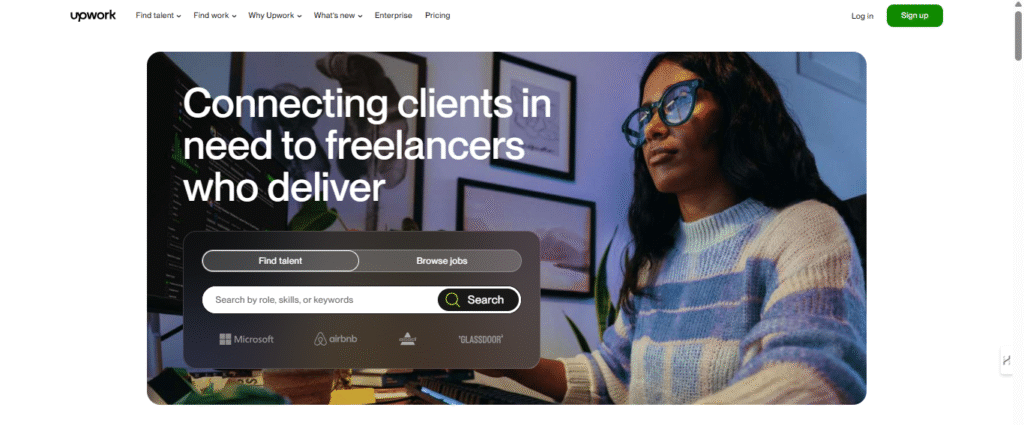
Upwork is one of the world’s largest freelancing marketplaces, connecting skilled professionals with global clients across diverse industries. It operates on a project-based and hourly structure, allowing freelancers to bid for jobs or receive invites based on their profile strength and job fit. From software development to customer support, Upwork is built for serious freelancers aiming to build long-term relationships with clients.
Why It Stands Out for Nigerians:
Upwork supports verified Payoneer and domiciliary account withdrawals, which makes it relatively accessible despite PayPal restrictions in Nigeria. The platform’s structured client-review system also helps legitimize your work history, crucial for building international credibility.
Anutio Tip:
Start with entry-level gigs in your skill area to earn reviews, then gradually bid on higher-paying jobs. Use Anutio to identify which in-demand skills are currently hot on Upwork—this helps you niche smartly and match with real opportunities. Also create a niche gig profile and use the “specialized profile” option.
Signup Requirements: Profile approval, connects system
Payout Systems: Payoneer, direct bank, dom account
Why It’s Great: Global clients, structured workflow
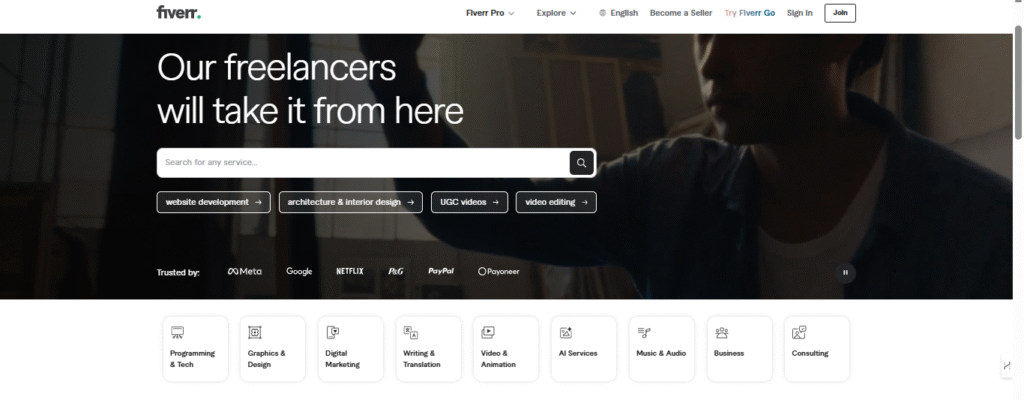
Fiverr is a gig-based freelancing platform where freelancers (called “sellers”) offer services (“gigs”) at fixed prices starting at $5. It’s perfect for creatives, digital marketers, voice-over artists, and tech professionals who want to package their skills into clear, ready-to-purchase offerings.
Why It Stands Out for Nigerians: Fiverr has a relatively low barrier to entry and favors freelancers who know how to market their gigs well through visuals, SEO keywords, and excellent client communication. Payout options include Payoneer, which is Nigeria-friendly, and the platform handles client acquisition for you—perfect for beginners.
Anutio Tip: Use local insights to niche down—e.g., offer Afrobeat lyric videos, CV redesigns for Canadian jobs, or Yoruba-English transcription. Optimize gig titles with keywords Nigerians search for (e.g. “CV writing for Nigerian professionals abroad”).
Signup Requirements: Easy to start, profile + gig creation
Payout Systems: Payoneer, bank transfer, crypto via third parties
Why It’s Great: No proposals, passive gigs
Limitations: Fiverr takes 20%, requires SEO effort
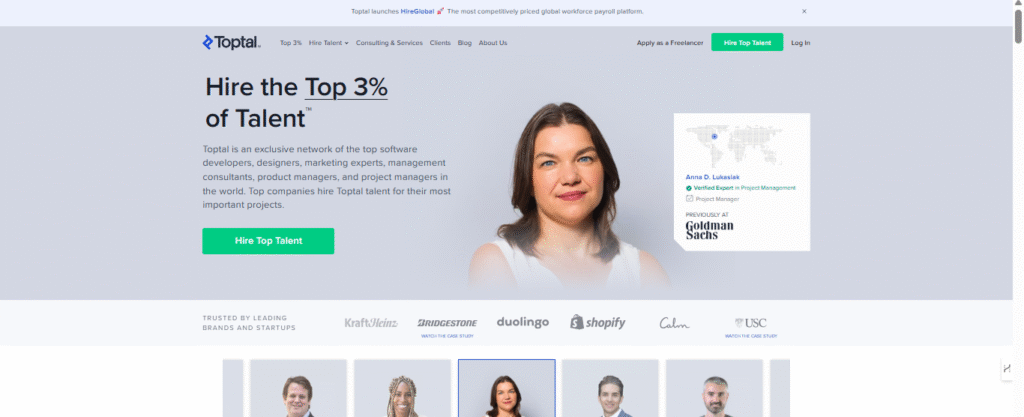
Toptal (short for “Top Talent”) is a high-end freelancing network that connects elite freelancers—mainly in tech, finance, and design—with Fortune 500 companies and startups. It boasts a rigorous screening process that accepts only the top 3% of applicants globally.
Why It Stands Out for Nigerians: While Toptal has a steep entry barrier, it’s a goldmine for highly skilled Nigerian developers, designers, and finance consultants seeking long-term, well-paid, remote contracts. The clients are top-tier, and the payout process supports Nigerian-friendly methods like Payoneer.
Anutio Tip: Before applying, refine your portfolio and prepare for multiple test stages. Anutio can help you assess whether your current skill level matches Toptal’s requirements and what to strengthen first. Use Anutio’s Career Map to review your resume before applying.
Signup Requirements: Multiple rounds of vetting, test projects
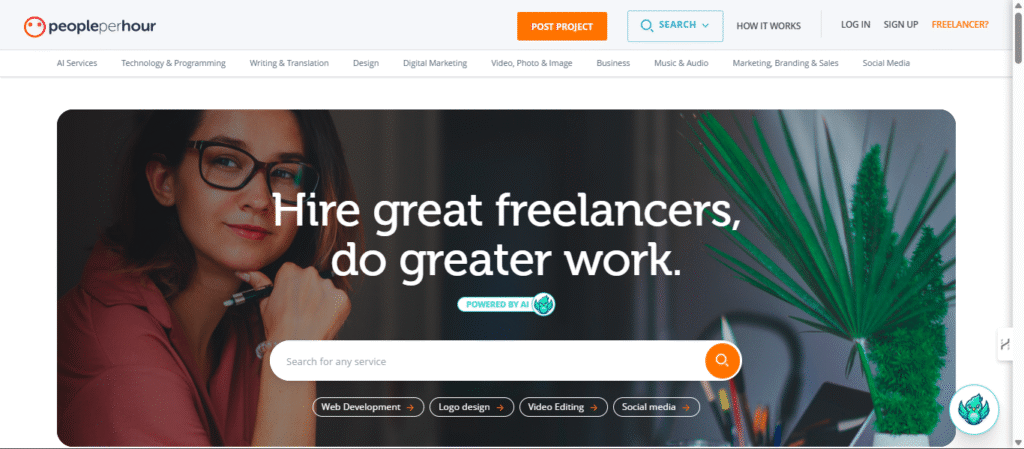
PeoplePerHour connects freelancers with clients on a project or hourly basis. It offers two paths: respond to job posts or create “Hourlies”—predefined service packages (similar to Fiverr gigs). It’s ideal for designers, writers, marketers, and coders.
Why It Stands Out for Nigerians: The platform supports Payoneer, making withdrawals from Nigeria seamless. It’s also popular in Europe, so if you’re targeting clients in the UK or Germany, this is a great platform to build credibility.
Anutio Tip: Use local trends (like Nigerian-themed branding or voiceovers) to stand out. Add local Nigerian context to your gig descriptions to attract diaspora clients.
Signup Requirements: Detailed profile submission and approval process (not all applicants are accepted). Portfolio and identity verification recommended
Payout Systems: Payoneer, Skrill, direct bank
Why It’s Great: Less competitive than Upwork
Limitations: Profile approvals are getting more competitive. You might need to apply multiple times or optimize your profile before approval
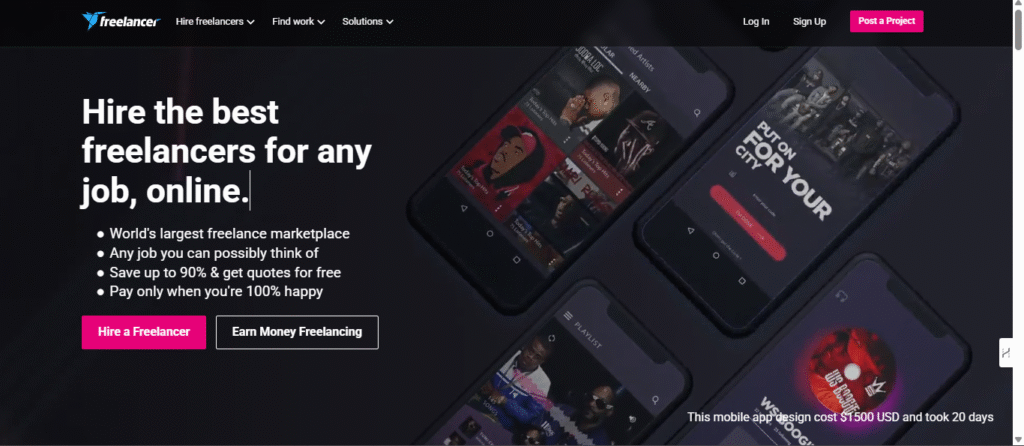
Freelancer.com is one of the oldest and most diverse freelancing platforms, hosting millions of jobs across industries like software, data entry, design, and engineering. It operates on a bidding system where freelancers compete for listed projects, and also offers contests for creative fields.
Why It Stands Out for Nigerians: With global clients constantly posting jobs, Nigerians can land gigs in niches like writing, data entry, and digital marketing. The platform supports Payoneer and wire transfers, bypassing the PayPal roadblock. It’s also relatively beginner-friendly, though competition can be intense.
Anutio Tip: Focus on quick-win jobs or contests to build a review base fast. Filter for verified employers only.
Signup Requirements: Basic profile setup, identity verification, and connecting a payment method
Payout Systems: Wire, PayPal, Skrill
Why It’s Great: Beginner-friendly
Limitations: Scammy clients, high service fees and intense bidding competition. Free accounts have limited bids, which may hinder visibility.
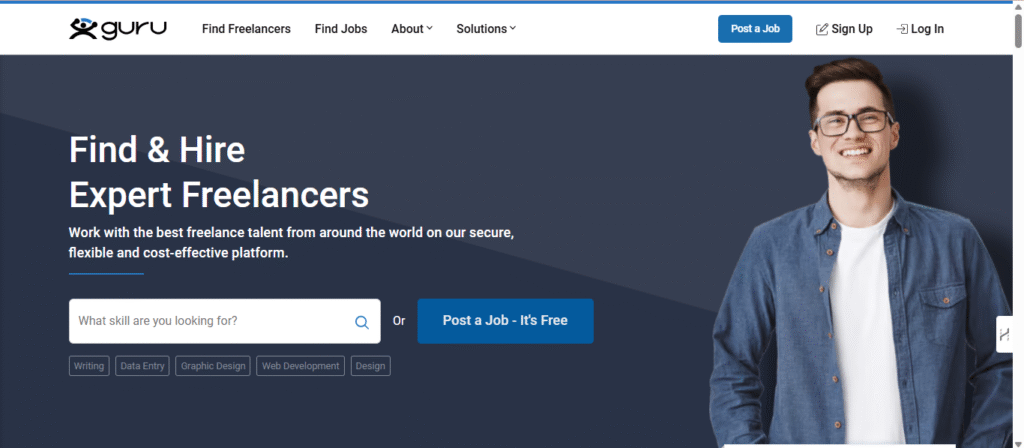
Guru is a flexible freelance platform best suited for experienced professionals in writing, IT, engineering, sales, and design. Its WorkRoom tool makes team collaboration and milestone tracking very efficient for long-term contracts.
Why It Stands Out for Nigerians: Guru allows freelancers to quote on jobs with either a fixed rate or hourly model. It also integrates with Payoneer and wire transfers, making it accessible to Nigerians. Its vetting system helps weed out low-quality clients, which protects freelancers from scams.
Anutio Tip: Guru favors niche experts—target industry-specific jobs and do keyword research to update your profile to meet exact job matches. Use Guru for retainer clients vs. one-offs.
Signup Requirements: Professional profile, verification of skills, portfolio (optional but recommended)
Payout Systems: Payoneer, wire transfer, direct bank deposit (no PayPal support for Nigerians)
Why It’s Great: Multiple payment options
Limitations: It’s less popular than Upwork or Fiverr, so there may be fewer gigs. Freelancers must also pay for monthly plans to unlock more bidding features
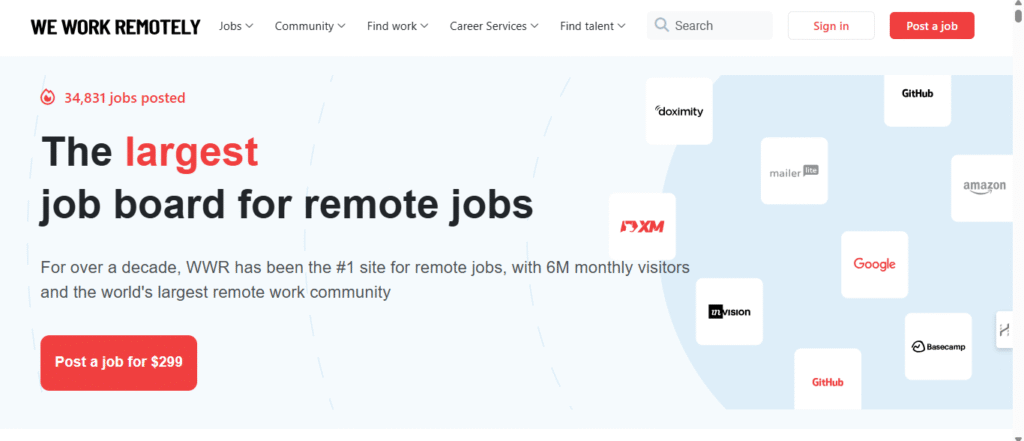
WWR is a premium job board known for curating full-time and part-time remote jobs in design, marketing, programming, customer service, and more. It’s a favorite among startups and mid-sized companies offering long-term roles.
Why It Stands Out for Nigerians: You apply directly to companies, often without intermediaries or competition with 100+ bids. These are jobs, not gigs—great for Nigerians seeking consistent freelance or contract income. The jobs here pay well and come from credible companies.
Anutio Tip: Always personalize your application—generic pitches won’t work here.
Signup Requirements: No sign-up needed. Most applications are via direct email, form, or company career pages
Payout Systems: Determined by the employer—many support Payoneer or international wire transfers
Why It’s Great: Premium remote clients
Limitations: High standards and job descriptions may require international-level experience. Tech skills are in higher demand than creative ones
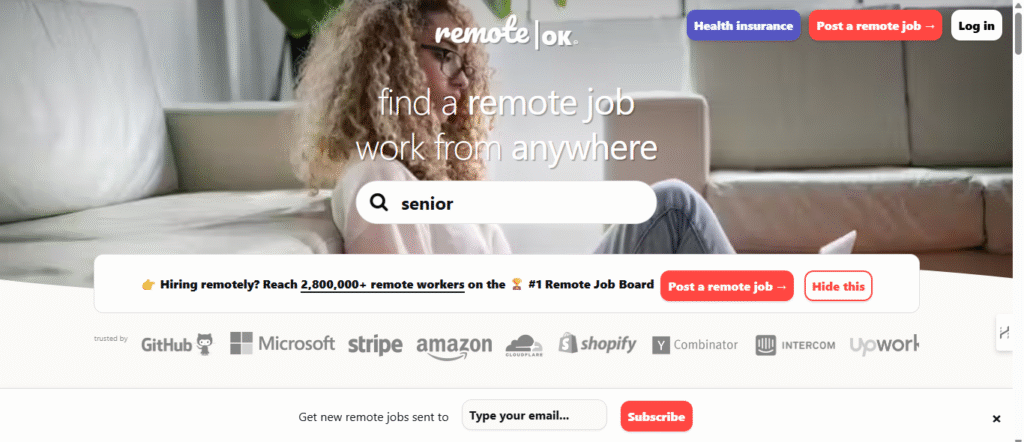
RemoteOK is a job board—not a traditional freelancing marketplace—that lists remote jobs from companies worldwide, especially in tech, customer support, marketing, and product management. Freelancers can apply directly to companies hiring globally.
Why It Stands Out for Nigerians: No bidding wars! You apply directly to companies that are already hiring remote talent. Many job posts are high-quality with clear salary ranges and benefits. Some listings are even crypto-friendly or asynchronous, perfect for Nigeria’s time zone.
Anutio Tip: Pair your RemoteOK search with a polished CV and GitHub or Behance portfolio. Also, a Turn on daily alerts for new postings in your niche.
Signup Requirements: No account needed to browse; some employers require resumes, portfolios, or GitHub profiles
Payout Systems: Varies by employer—many pay via Payoneer, crypto, or direct deposit.
Why It’s Great: Newer roles, low competition
Limitations: No internal client protection like Upwork; job volume for non-tech roles is limited
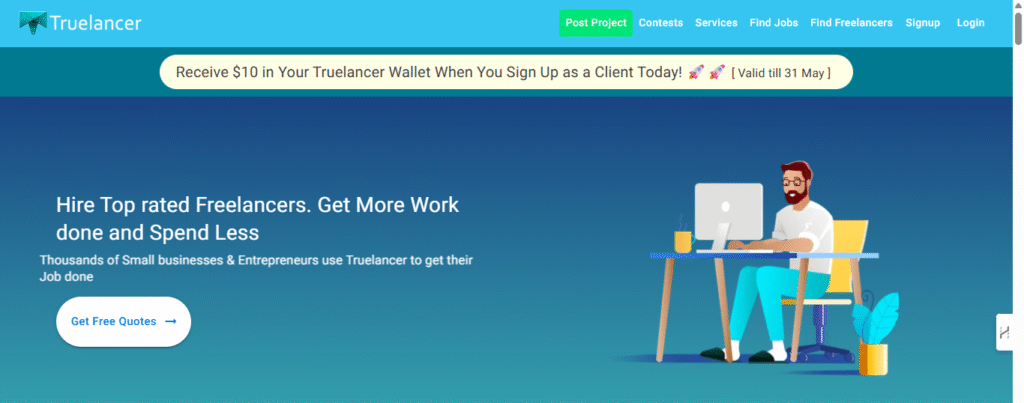
Truelancer is an India-based freelancing platform growing in popularity across Africa. It features jobs in development, design, writing, support, and admin. It offers hourly, fixed, and part-time projects, many from small business clients.
Why It Stands Out for Nigerians: It’s less saturated than Fiverr or Upwork, so new freelancers stand a better chance. It also supports crypto payouts and Payoneer—two key payout options in Nigeria.
Anutio Tip: Focus on international jobs or clients hiring for ongoing support tasks. Use Truelancer for small gigs to build reviews.
Signup Requirements: Quick sign-up with optional identity verification. Portfolios and skill tests help you stand out
Payout Systems: Payoneer, crypto, wire transfer
Why It’s Great: Less saturated
Limitations: Some job budgets are low due to its Asian base. You must filter carefully to avoid underpaid gigs
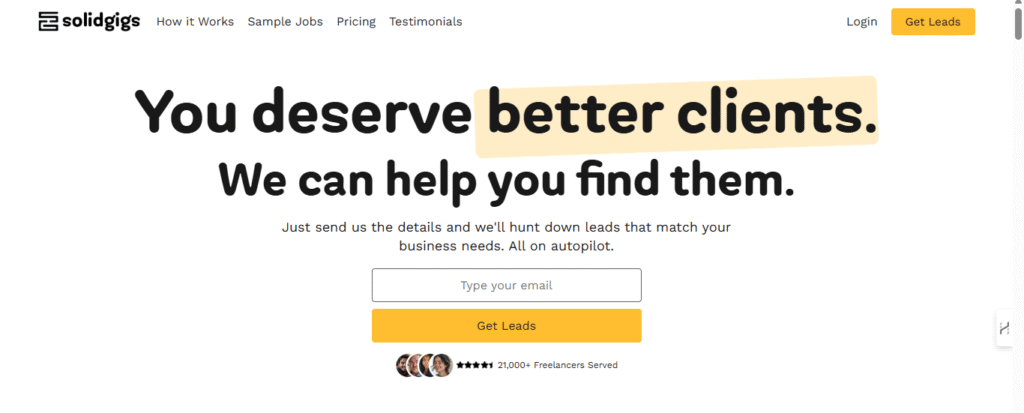
SolidGigs isn’t a traditional freelance marketplace—it’s a curated lead generation service. Instead of browsing job boards all day, SolidGigs handpicks the top 1% of freelance gigs from across the web and sends them straight to your inbox weekly. It’s ideal for experienced freelancers who want to save time and focus on closing deals.
Why It Stands Out for Nigerians: No bidding wars. You’re not competing with thousands of freelancers—just applying directly to curated leads. It’s a time-saver for Nigerian freelancers with a clear niche and solid portfolio, especially in content writing, SaaS marketing, and design.
Signup Requirements: No client-side profile required. Simply subscribe (paid monthly) to receive leads. You’ll need a strong pitch, resume, and/or portfolio to land gigs
Payout Systems: Payment is handled off-platform—through the client directly. Most clients pay via Payoneer, PayPal, or Wise
Why It’s Great: Saves time, high-quality gigs
Limitations: There’s a monthly subscription fee (~$19), and it’s best for freelancers who already have clarity, confidence, and conversion-ready portfolios
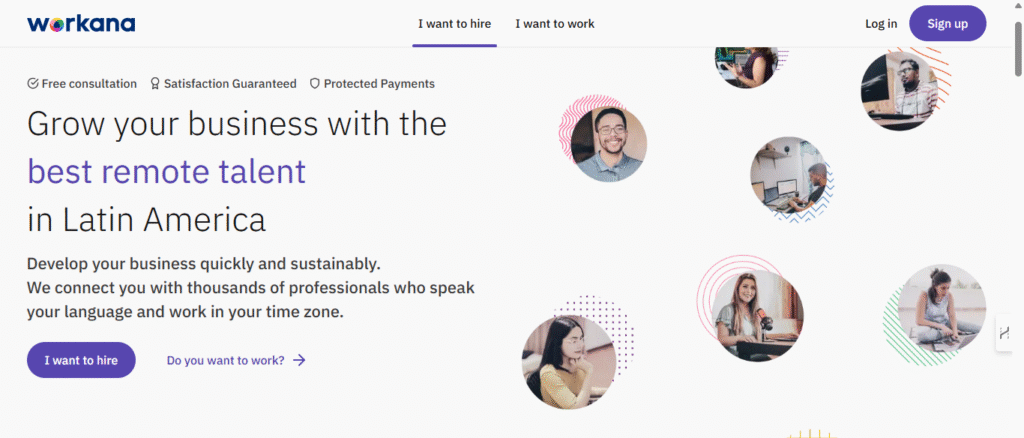
Workana is a Latin America–based freelancing platform that’s expanding into Africa and Asia. It supports long-term remote contracts and one-off gigs across marketing, IT, admin, writing, and translation. It’s structured similarly to Upwork, with a bidding model and a client feedback system.
Why It Stands Out for Nigerians: Workana actively promotes remote hiring in Africa and supports payout methods accessible in Nigeria. It’s ideal for bilingual freelancers and those offering remote assistance, copywriting, or entry-level development.
Anutio Tip: Translate your pitch using DeepL and target English-speaking clients.
Signup Requirements: Create a profile, verify email, and bid on projects. Optional: upload portfolio and complete skills tests
Payout Systems: Payoneer, bank transfer, and crypto via third-party wallets
Why It’s Great: International demand
Limitations: Most projects are in Spanish or Portuguese. However, English-speaking roles are growing. Budget rates can be lower than Western platforms
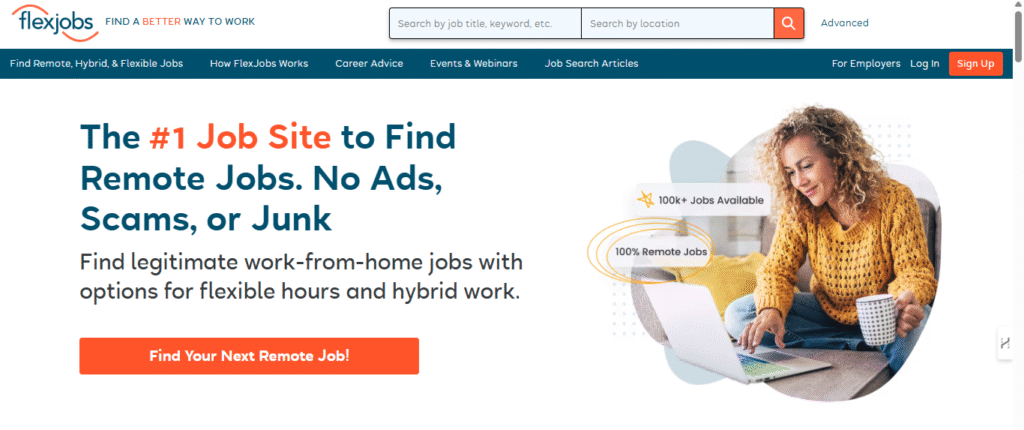
FlexJobs is a premium remote work and freelance job board that curates flexible, part-time, full-time, and project-based roles in 50+ career fields. Every job is screened for legitimacy—making it one of the safest platforms for global freelancers.
Why It Stands Out for Nigerians: If you want serious freelance roles from Fortune 500s, nonprofits, and startups—this is your hub. Nigerian freelancers can find jobs in marketing, customer service, tech support, transcription, and more. Many companies on FlexJobs support global remote hiring.
Anutio Tip: Create a search filter cheat sheet for FlexJobs so you only see roles that mention “remote international” or “global contractor.” This saves hours every week.
Signup Requirements: Subscription required (plans from $2.95/week to $49/year). No bidding. Just apply directly
Payout Systems: Handled by employer; often Payoneer, Wise, or direct bank transfers
Why It’s Great: Scam-free listings
Limitations: It’s not free, and not all employers hire globally. Carefully review listings to confirm eligibility for Nigeria-based freelancers
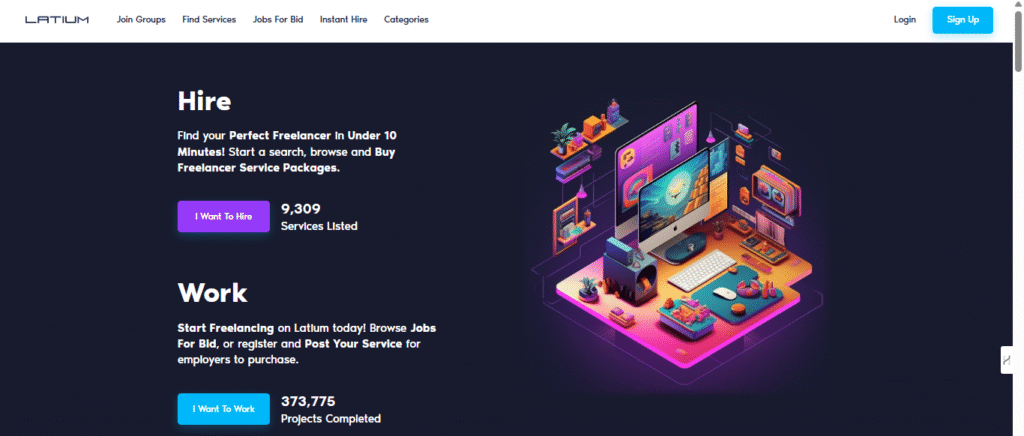
Latium is a crypto-powered freelancing platform designed for microtasks, creative projects, and technical gigs. It’s like Fiverr but powered by blockchain tech. Clients post jobs and pay in cryptocurrency (mainly USDT, BTC, ETH), though fiat payments are also possible.
Why It Stands Out for Nigerians: For tech-savvy freelancers and crypto enthusiasts in Nigeria, Latium is a goldmine. It bypasses traditional banking limitations. Jobs range from graphic design and translation to NFT design and web dev.
Anutio Tip: Don’t just apply—create custom crypto-themed packages (e.g., NFT avatar design or Web3 copywriting). Cash out via stablecoins and transfer to Binance or Luno in naira.
Signup Requirements: Sign up, complete profile, crypto wallet recommended (Metamask or Latium Wallet), and apply for tasks
Payout Systems: Crypto (USDT, ETH, BTC) or fiat via integrated payment gateways. No need for PayPal or Payoneer
Why It’s Great: Great for Web3 enthusiasts
Limitations: Volatility of crypto payouts. Also, not ideal for freelancers unfamiliar with digital wallets and blockchain basics
How to Choose the Right Freelance Platform for Your Skills
Not all freelance platforms are created equal. Some are ideal for beginners testing the waters. Others are competitive, high-paying arenas for seasoned pros. The key is choosing a platform that matches your skill level, industry, and freelance goals.
First, Ask Yourself:
Are you just starting out, or do you have a portfolio?
Do you prefer one-off gigs or long-term contracts?
Do you want fast cash, experience, or reputation building?
Are you in a “figuring-it-out” phase or deeply specialized?
Let’s break it down by category and find you the best fit.
Toptal: Elite network—apply only if you can pass rigorous screening (ideal for devs, designers, finance experts).
SolidGigs: You don’t waste time searching. You get top-quality leads to pitch.
We Work Remotely / Remote OK: Best for job-style freelancing or remote roles in tech and product.
Still Figuring It Out? No Problem.
You don’t need everything figured out to start. Some platforms are ideal for exploring, experimenting, and learning while earning.
Recommended Platforms:
Freelancer.com: Try different project types.
Latium: Microtasks to test your interest in design, writing, or marketing.
Workana: Access flexible contracts while finding your niche.
Before you Join a Platform, Do This:
Audit your skills. Use Anutio’s free “Career Map” to find ideal niches for your abilities.
Set a micro-goal. e.g., “I want 1 client review in 2 weeks.”
Polish your pitch. Even one strong portfolio item + a bold introduction can land you gigs faster than a cluttered, unfocused profile.
BONUS SECTION: Quick Start Guide
How to Get Your First Freelance Client in 30 Days (Even If You’re Starting From Scratch)
Getting started doesn’t have to be confusing. You don’t need a fancy website, massive portfolio, or 5 years of experience. What you need is focused action—and consistency. Here’s your step-by-step 30-day plan to land your first paying client.
Step 1: Choose Your Battlefield (Day 1–2)
Pick just 1–2 freelance platforms. Don’t scatter your energy. (Check what platform works for you in the previous section).
Step 2: Build a Basic Portfolio (Day 3–5)
No client yet? No problem. Create 2–3 mock samples to show what you can do.
✅ Use Canva to design: – Instagram carousels – Blog headers – Resumes – Brand kits
✅ Use Notion to build: – A free portfolio page – Case study layout – Service menu
Keep it simple. Quality over clutter. Make it look clean and confident.
Step 3: Join the Freelance Hustle Circles (Day 6–10)
Find where your future clients and fellow freelancers hang out.
Observe. Introduce yourself. Offer value before you pitch. And follow daily job posts.
Step 4: Start Pitching Daily (Day 11–29)
This is where magic happens.
📂 Save 3 pitch templates:
One for Upwork proposals
One for email outreach
One for cold DMs on LinkedIn or Twitter
Pitch every day. Minimum 3–5 per day. Track it. Refine it. Don’t wait for perfect.
🪄 Sample pitch opener:
“Hi [Client Name], I saw your need for a [service] and I’ve helped brands like yours with results-driven solutions. Would you like a free mini sample?”
Step 5: Use a 30-Day Client Tracker (Free Download)
Use this tracker to turn actions into patterns—and patterns into paid clients.
Day 30: Celebrate + Reflect
Even if you don’t land a big client yet, here’s what you will have:
A strong online presence
Sample work ready to showcase
Pitching experience
Real platform familiarity
Possible referrals or trials
And most importantly: Momentum.
Freelancing isn’t just another side hustle buzzword or a Gen Z escape route. It’s a full-blown transformation of how work happens across the world. From Enugu to Edmonton, Ibadan to Berlin, skilled Nigerians are plugging into global opportunities—and getting paid in strong currencies to do what they love.
But success doesn’t happen by chance. It happens when you prepare intentionally, choose smart platforms, and show up consistently.
Whether you’re just figuring things out, or ready to pitch clients from Day 1, remember this: You don’t need to know everything to start. You just need to start with what you know.
But also be prepared:
Track your progress (start with our free tracker!)