Tag: Freelancing

  • Canadian Work Permits & Freelancing: What Immigrants Need to Know

    Canadian Work Permits & Freelancing: What Immigrants Need to Know

    For many immigrants, freelancing seems like the perfect path, flexible, location-independent, and often more accessible than navigating traditional job markets in a new country.

    Whether it’s graphic design, content writing, IT support, or virtual assistance, freelancing offers the promise of income while avoiding the long wait times, credential evaluations, and job application ghosting that so many newcomers face.

    But just because freelancing is digital doesn’t mean it’s legally straightforward — especially in Canada. Work status matters. Your permit matters. And how you earn your income could significantly impact your immigration status, tax obligations, and future residency.

    In this blog, we will show you:

    • Who can freelance legally in Canada — and under what permit or residency status
    • What risks come with freelancing without proper authorization
    • How to structure your freelance career within the law
    • What platforms, tools, and support systems (like Anutio) can help you freelance smarter — not illegally

    Whether you’re already freelancing, considering it as a side hustle, or weighing the risks, read this to help you make empowered decisions.

    Looking for a broader comparison between freelancing in Nigeria and freelancing in Canada? Check out this article Freelancing in Canada vs. Nigeria: Key Differences, Opportunities, and What You Should Know Before You Start.

    Can Immigrants Freelance in Canada? The Legal Basics

    Let’s start by defining what freelancing means — legally — in Canada.

    Freelancing isn’t a casual “side hustle” in legal terms. It typically falls under self-employment, which is defined as earning income directly from clients, not through an employer-employee relationship. Freelancers may work as:

    • Independent contractors (you invoice clients directly and don’t receive employee benefits)
    • Sole proprietors (a business operated under your own name)
    • Or through incorporated businesses (registered with the federal or provincial government)

    In Canadian law, you are self-employed if you control:

    • Your own working hours and tools
    • Where and how the work is done
    • The financial risk and profit/loss of the business

    Freelancer = Self-employed = Business operator
    Freelancer ≠ Employee on payroll

    But can you freelance based on your immigration status?

    Here’s where things get tricky — and important. Your ability to freelance in Canada depends entirely on your immigration status and the type of work permit you hold. Let’s break it down by group:

    1. International Students

    Verdict: Generally cannot freelance.

    • Most study permits allow up to 20 hours per week of paid work for an authorized employer, and full-time during scheduled breaks.
    • Freelancing or self-employment is not allowed unless specifically authorized on the permit.
    • Violating this can lead to permit revocation or PR denial later on.

    Canada.ca: Working as a Student

    2. Post-Graduate Work Permit (PGWP) Holders

    Verdict: Yes — with some conditions.

    • PGWP holders have open work permits, which generally allow freelancing and self-employment.
    • You must still register your freelance business (as a sole proprietorship or corporation) and report your income to the CRA.
    • Be mindful: if your PR application (e.g. through CEC) depends on “skilled work,” your freelance services must align with eligible NOC categories.

    Canada.ca: Work after Graduation (PGWP)

    3. Temporary Foreign Workers (TFW)

    Verdict: No.

    • Most TFWs are on closed work permits tied to a specific employer and job title.
    • Freelancing or working for any other employer/client is a violation of your permit.
    • Doing so can result in immediate loss of status and future inadmissibility.

    Canada.ca: Temporary Foreign Workers

    4. Refugees / Asylum Seekers

    Verdict: Yes — with an open work permit.

    • If you’ve received a refugee claimant open work permit, you can engage in self-employment and freelancing.
    • You must still register your business and file taxes like any Canadian resident.
    • Seek support from local settlement services or business incubators to get started.

    Canada.ca: Work permits for refugee claimants

    5. Permanent Residents (PRs)

    Verdict: Yes — full rights.

    • Permanent Residents can legally freelance, start a business, or be self-employed without restrictions.
    • However, income reporting, GST/HST obligations, and proper invoicing still apply.
    • If you’re applying through the Self-Employed Persons Program, your freelance background can even support your application.

    When building your Canadian resume as a freelancer or recent graduate, every detail counts. If you’ve excelled academically, understanding the distinction of Magna vs. Summa Cum Laude can help you accurately highlight your achievements to high-end SME clients or recruiters.

    Canada.ca: Self-Employed Persons Immigration Program

    6. Visitors (Short-term Stay)

    Verdict: Not allowed.

    • Tourists or visitors cannot legally freelance or earn income while in Canada.
    • Doing so violates the terms of your entry and could result in removal or future visa bans.


    Your ability to freelance in Canada is directly tied to your legal status and permit type. Always read the conditions on your permit and seek clarification from IRCC or a licensed immigration consultant before taking on freelance gigs.

    Canada.ca: Immigration and Citizenship – Work Permits

    Common Work Permits and Freelancing Realities

    Now that we’ve mapped out who can legally freelance, let’s look into the specific types of work permits — and what each one means for your freelance future.

    Post-Graduate Work Permit (PGWP)

    Can I freelance? Yes, but be careful.

    • PGWPs are open permits, meaning you’re not tied to a single employer.
    • You can freelance or be self-employed — just make sure:
      • You’re offering skilled services (especially if applying for PR under CEC)
      • You register your business (sole proprietorship or corporation)
      • You file income taxes and, if required, collect GST/HST

    📍Example:
    If you are a UX designer who just graduated from Humber College and gets a 3-year PGWP. You set up your own design portfolio site, start working with US-based startups via Upwork, and file taxes in Canada as a sole proprietor. You can use this later as part of your Canadian Experience Class PR application.

    Closed Work Permits

    Can I freelance? No.

    • Closed work permits are job-specific.
    • You’re only allowed to work for the employer listed on your permit.
    • Freelancing = unauthorized work = risk of deportation or PR denial.

    🛑 Do not accept freelance gigs, even online, while on a closed permit.

    Open Work Permits

    Can I freelance? Yes — with obligations.

    • Open work permits allow employment with any employer, including self-employment.
    • Must:
      • Report income to CRA
      • Register business where applicable
      • Keep freelance work within “skilled” NOC categories if you plan to use it for PR

    LMIA-based Permits

    Can I freelance? Usually not.

    • These are typically employer-specific permits based on Labour Market Impact Assessment (LMIA) approvals.
    • You can only work in the position listed in your LMIA approval.
    • Freelancing violates the terms — unless you apply separately for an open permit or PR.

    Canada.ca: Types of Work Permits

    Risks of Freelancing Without Proper Status

    Let’s not sugar-coat this: freelancing without the legal right to do so in Canada is risky.

    Here’s what you could face:

    Immigration Consequences

    • Loss of status: You can be flagged for non-compliance and removed from Canada.
    • PR denial: Any unauthorized work is considered a violation of IRCC rules.
    • Inadmissibility: If caught, you could be barred from re-entry in future applications.

    IRCC: Inadmissibility Rules

    CRA (Canada Revenue Agency) Implications

    Even if your freelance work is digital or done for clients outside Canada, you:

    • Must report all income to CRA
    • Could face fines, interest, and audits for undeclared earnings
    • Are still considered a Canadian tax resident while living here under most permits

    CRA: Self-Employment and Taxes

    Immigration Red Flags

    Certain freelance activities can be misinterpreted:

    • Working outside the scope of your permit
    • Accepting payments from Canadian clients without authorization
    • Using self-employment as a backdoor for PR when ineligible

    According to Canadian immigration lawyer Catherine Sas, unauthorized work is one of the top reasons for PR rejections in cases involving international students or TFWs.

    Read: Sas & Ing Immigration Law Blog

    When Freelancing Is Allowed — and How to Do It Right

    If you’re legally allowed to freelance in Canada, the next step is to do it right. The Canadian government has clear frameworks for self-employed individuals — and following these rules is critical to your success and immigration status.

    How to Register as a Sole Proprietor in Canada

    The simplest legal structure for a freelancer is sole proprietorship. It allows you to operate under your name or register a business name.

    Steps to register:

    1. Choose a name (optional if using your own).
    2. Register with your provincial government (e.g., Ontario Business Registry).
    3. Apply for a Business Number (BN) with the CRA for tax purposes — Start here.

    Taxes, Invoicing, and Record-Keeping

    Freelancers must:

    • Track all income and expenses
    • File self-employment income on the T2125 form during tax season
    • Collect and remit GST/HST if earning over $30,000 annually

    Use accounting software like Wave, QuickBooks, or FreshBooks to manage invoicing and taxes smoothly.

    Legal Business Structures for Freelancers

    Besides sole proprietorship, you can also incorporate your business. This offers:

    • Limited liability
    • Tax deferral opportunities
    • Greater credibility with clients

    However, it also comes with added paperwork and corporate tax filings.

    Contracts and NDAs

    To protect yourself:

    • Always sign service agreements with clients
    • Use non-disclosure agreements (NDAs) when handling sensitive projects
    • Clearly define payment terms, revisions, deadlines, and ownership rights

    Platforms and Freelancing Legally

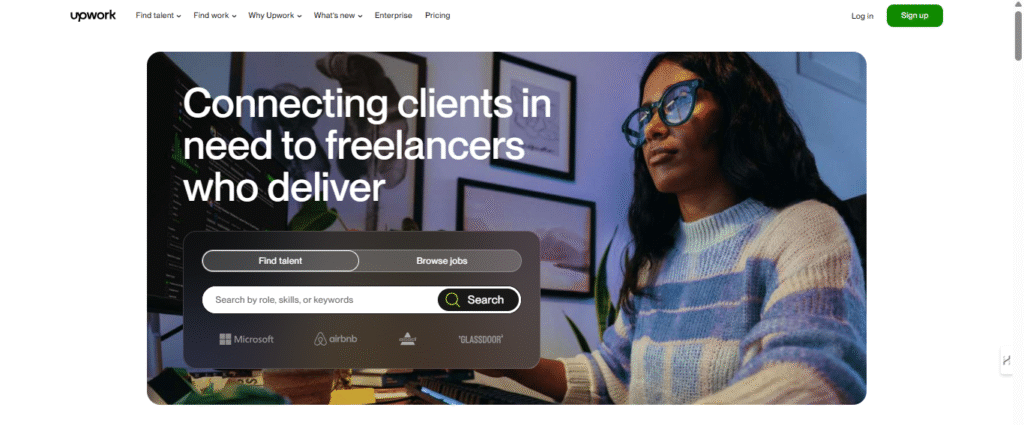
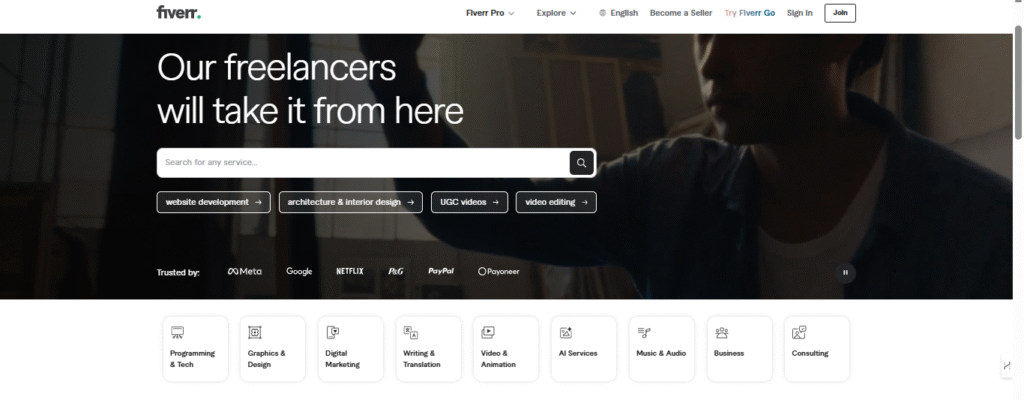
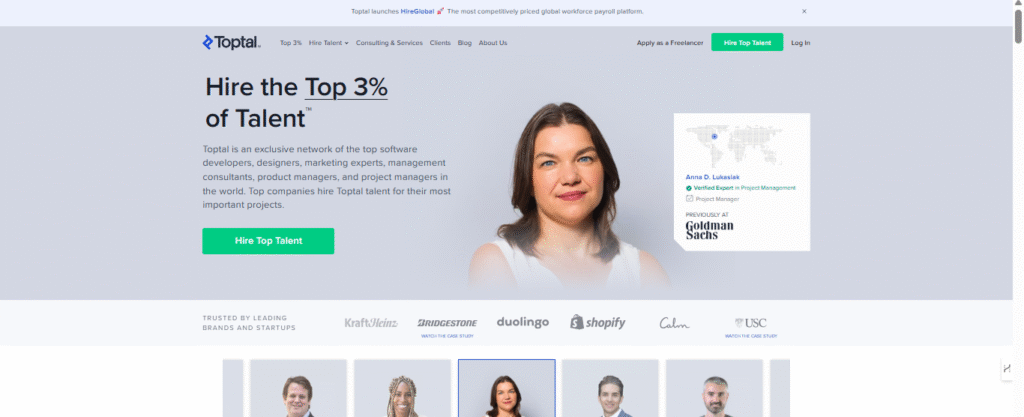
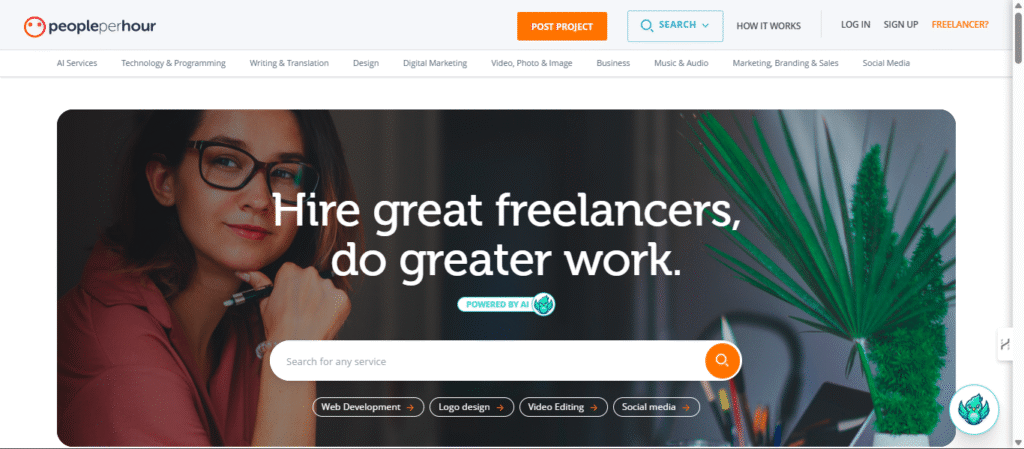
    Popular platforms like Upwork, Fiverr, Freelancer, and PeoplePerHour can offer legit gigs — but ensure your permit allows freelancing.

    Tips:

    • Disclose freelance income in your taxes
    • Avoid “cash-only” or under-the-table gigs
    • Build a portfolio website to attract direct clients

    Immigrants with PR or Canadian Citizenship — Full Green Light?

    If you’re a Permanent Resident (PR) or Canadian citizen, you have full legal freedom to freelance in Canada — no employer sponsorship needed.

    But “legal freedom” doesn’t mean “no paperwork.”

    What You Still Need to Do

    1. Register your business if operating as a sole proprietor or corporation
    2. Report all freelance income to the CRA
    3. Pay quarterly taxes if your tax liability is high (instalment payments)
    4. Register for GST/HST if you cross the $30,000 revenue mark

    Banking & Credit Tips

    • Open a business bank account for cleaner tracking
    • Get a business credit card to start building credit history
    • Consider working with an accountant in your first year to set up books right

    The “Freelancer Trap” for Immigrants on the Path to PR or Citizenship

    Freelancing without the right work authorization can hurt more than help, especially if you’re working toward Permanent Residency (PR) or citizenship.

    What’s the Risk?

    • Freelance work done without proper permits does not count as “eligible Canadian work experience” under Express Entry.
    • This can lower your Comprehensive Ranking System (CRS) score.
    • Immigration, Refugees and Citizenship Canada (IRCC) looks for employer-verified work experience, not self-reported freelancing.

    Official source: IRCC Express Entry Work Experience Criteria

    What Counts as “Eligible Work”?

    • Paid, full-time (or equivalent part-time)
    • Authorized (must have a valid permit)
    • Employer-based, not self-employment unless under the Self-Employed Persons Program

    Freelancing While Job Hunting: Strategic or Risky?

    Many newcomers explore freelancing while searching for stable employment. It can help pay bills and build a portfolio — but it’s not without risks.

    The Balancing Act

    • If you’re on an open work permit, freelancing may be allowed — but verify first.
    • If on a closed permit, any freelance work is unauthorized and could trigger immigration red flags.
    • Relying solely on freelancing may delay or damage your PR or work permit renewal if not done legally.

    Smarter Strategy

    • Pair a part-time job with legal freelance gigs
    • Focus on networking and employer-based jobs that add value to your immigration file
    • Work with a licensed immigration consultant to ensure you’re not violating terms

    Find help: CICC Licensed Consultant Directory

    The Economics of Freelancing in Canada for Immigrants

    Freelancing in Canada can be lucrative — but it varies by skill, location, and legal ability to work.

    Freelance Pay Benchmarks (CAD/hour)

    RoleEntry-LevelMid-LevelExpert
    Graphic Designer$20–$35$40–$60$70+
    Web Developer$25–$45$50–$80$90+
    Copywriter$20–$30$40–$70$80+
    Virtual Assistant$18–$25$30–$40$50+

    Source: StatCan Gig Economy Report

    Income vs. Employment

    Freelancers can earn more per hour, but:

    • Pay is irregular
    • Must cover own benefits, retirement, and taxes
    • High cost of living in cities like Toronto, Vancouver, or Calgary can eat into profits

    Avoiding Common Pitfalls — Taxes, Insurance & Permits

    Even when freelancing is legal, many immigrants unintentionally step into trouble due to common but preventable mistakes:

    1. Not Filing Taxes

    Every dollar earned must be declared — whether through Fiverr, direct gigs, or referrals. CRA considers unreported income as tax evasion. Even if you earned less than the personal exemption, it’s crucial to file your taxes annually to stay in good standing.

    2. Mixing Personal and Business Finances

    Keeping your business income and expenses separate is vital. Open a dedicated business account — it not only helps with taxes but also boosts your credit credibility and supports business funding later.

    3. Ignoring Provincial Requirements

    Depending on your province (e.g., Ontario, British Columbia, Alberta), there may be local registration requirements, zoning laws, or industry-specific permits needed for freelancing from home.

    4. Skipping Insurance — Until It’s Too Late

    Freelancers can be held personally liable for work gone wrong, client claims, or data breaches. Without the buffer of an incorporated company, your personal assets are on the line.

    Solution: Explore freelance-friendly insurance options, including:
    Freelancer Insurance Canada – Compare Options

    Platforms That Support Legal Freelancing for Immigrants

    Choosing the right freelance platform isn’t just about getting jobs — it’s about protecting your legal and financial trail.

    Here’s a breakdown of platforms that are immigrant-friendly:

    PlatformKey FeaturesCanada-Friendly PayoutsTax Compliance
    FiverrGreat for creative gigs, gigs-as-products, NDAs availablePayoneer, Bank TransferW-8BEN, T4 optional
    UpworkVerified clients, ID checks, contract templatesDirect Deposit, PayoneerT4A issued for Canadian freelancers
    ToptalPremium clients, invite-only, ideal for skilled professionalsWire Transfer, Payoneer1099-like reports
    Contra0% commission, freelancer portfolios, ideal for Gen ZStripe, PayoneerSelf-managed taxes
    WorkhoppersCanadian-based, matches local freelancers with businessesDirect Bank DepositCanadian tax documentation encouraged

    What to look for:
    ✅ ID Verification
    ✅ Clear tax form process (W-8BEN, T4A, etc.)
    ✅ Country-specific payout systems like Interac e-Transfer or direct deposit.

    2026 Update: Navigating New IRCC Rules

    As of February 2026, Canada has shifted toward a more targeted immigration strategy. The Self-Employed Persons Program remains on an indefinite pause as the government prepares to launch a new ‘Entrepreneur Pilot’ later this year.

    For those currently in Canada, the focus has moved to temporary-to-permanent transitions; IRCC recently announced an expedited work permit process for essential occupations and a goal to transition 33,000 temporary workers to PR status by 2027.

    If you are freelancing on an Open Work Permit, it is more important than ever to ensure your freelance work falls under skilled NOC (National Occupational Classification) categories (TEER 0-3), as these are being prioritized for accelerated PR pathways.

    Suggested Next Reads

    Build on what you’ve learned. Check out these series:

    Why Freelancing Might Not Be Ideal for Immigrants in Canada
    Freelancing as a Side Hustle in Canada: When It Works and When It Doesn’t
    Legal and Financial Pitfalls to Avoid When Freelancing as an Immigrant in Canada
    Freelancing Pros and Cons for Immigrants in Canada: Is It Worth It?

    Freelancing in Canada isn’t impossible — but it requires intentionality, clarity, and compliance.

    You can freelance legally with the right status and structure.
    But without awareness, you could harm your PR or citizenship prospects.

    Final Word:
    It’s not “No” to freelancing in Canada.
    It’s “Know-how.”

  • 13 Top Freelancing Websites for Nigerians to Work with International Clients

    13 Top Freelancing Websites for Nigerians to Work with International Clients

    So, you’re Nigerian and ready to earn in dollars by freelancing?

    You’ve heard the gist. People are making serious money online. From graphic design gigs to ghostwriting eBooks, someone you know just cashed out $500 for what looks like “small work.” Maybe you’ve even tried a few gigs on WhatsApp or Telegram. But now, you want to go global. Real clients. Real cash. Real freedom.

    But is it that easy?

    With the naira constantly dipping and unemployment numbers refusing to blink, freelancing is quickly becoming a lifeline for thousands of Nigerians—students, stay-at-home mums, japa hopefuls, and even 9–5 workers juggling a second hustle. And it’s not just about the dollar exchange rate (though let’s be honest. That’s a big motivation). Freelancing offers something rare: flexibility, global access, and the chance to build a career from your bedroom.

    Still, it’s not all smooth sailing. From platforms that block Nigerians, to payment restrictions, to fake clients and burnt-out freelancers, the opportunity comes with real risks. That’s why this blog isn’t another random list of “Top 10 Freelance Sites.” We’ve built this guide specifically for Nigerians navigating the freelance space in 2025.

    Here’s what you’ll learn:

    • The 13 best freelancing platforms that actually work for Nigerians today
    • How to receive payments in dollars (even without PayPal)
    • What legal, banking, and tax concerns you should know
    • Which niches are booming for Nigerians and how to break in
    • Smart tools and real-world tips to help you stand out
    • And how Anutio helps you freelance smarter, not harder

    Whether you’re starting from scratch or looking to scale, this guide has your back—with insights grounded in the Nigerian reality.

    Related: Rethinking Talent: How Freelancing and Flexible Work Shape the Future of Workforce Strategy

    What Makes a Freelancing Platform Ideal for Nigerians?

    1. Payout Options: PayPal Restrictions, Payoneer, Crypto, and Domiciliary Accounts

    Getting paid is one of the biggest challenges Nigerian freelancers face. Many global clients prefer PayPal, but Nigeria isn’t fully supported. That leaves alternatives:

    • Payoneer: Reliable and widely accepted, especially on platforms like Fiverr and Upwork. Connects to Nigerian bank accounts.
    • Crypto: Increasingly popular for direct client work. Consider stablecoins like USDT on Binance or Coinbase.
    • Domiciliary accounts: Great for direct dollar deposits. Platforms like Freelancer.com and Toptal allow wire transfers directly into dom accounts.

    2. Ease of Entry: Low Barrier vs. Portfolio-Heavy Platforms

    Some platforms are beginner-friendly, while others demand strong portfolios.

    • Beginner-friendly: Fiverr, Freelancer, PeoplePerHour.
    • Experienced freelancers: Toptal, Guru, FlexJobs—require past work samples, interviews, or skill tests.

    Choose based on your current level.

    3. Skill Demand: Where Are Nigerians Thriving?

    High-demand skills for Nigerian freelancers include:

    • Tech: Web/app dev, QA testing, WordPress.
    • Writing: SEO blog posts, ghostwriting, technical writing.
    • Design: Brand kits, UI/UX, Canva templates.
    • Virtual Assistance & Data Entry: Email management, scheduling, spreadsheets.
    • Consulting: Especially for digital marketing, DEI, HR, and career coaching.

    Other things to consider before taking a step

    1. Client Quality + Platform Credibility

    You want platforms that filter spammy clients and pay on time.

    • Top-tier platforms: Toptal, Upwork (Pro clients), FlexJobs.
    • Middle-tier: Fiverr (once your profile grows), We Work Remotely.
    • Avoid red flags: Platforms without escrow or verified reviews.

    2. Pros and Cons: It’s Not Just About the Money

    Pros:

    • Earn in stronger currencies
    • Set your schedule
    • Work with global teams

    Cons:

    • Payment bottlenecks
    • Platform discrimination
    • Loneliness, inconsistency, burnout

    3. How Anutio Helps

    Anutio isn’t a freelance platform, but it connects Nigerians with:

    • Global projects from trusted brands
    • Career prep tools (portfolio reviews, resume editing)
    • Smart job matching

    The 13 Best Freelancing Sites for Nigerians (Ranked & Reviewed)

    1. Upwork

    Upwork is one of the world’s largest freelancing marketplaces, connecting skilled professionals with global clients across diverse industries. It operates on a project-based and hourly structure, allowing freelancers to bid for jobs or receive invites based on their profile strength and job fit. From software development to customer support, Upwork is built for serious freelancers aiming to build long-term relationships with clients.

    Why It Stands Out for Nigerians:

    Upwork supports verified Payoneer and domiciliary account withdrawals, which makes it relatively accessible despite PayPal restrictions in Nigeria. The platform’s structured client-review system also helps legitimize your work history, crucial for building international credibility.

    Anutio Tip:

    Start with entry-level gigs in your skill area to earn reviews, then gradually bid on higher-paying jobs. Use Anutio to identify which in-demand skills are currently hot on Upwork—this helps you niche smartly and match with real opportunities. Also create a niche gig profile and use the “specialized profile” option.

    • Signup Requirements: Profile approval, connects system
    • Payout Systems: Payoneer, direct bank, dom account
    • Why It’s Great: Global clients, structured workflow
    • Limitations: High competition, proposal costs.

    2. Fiverr

    Fiverr is a gig-based freelancing platform where freelancers (called “sellers”) offer services (“gigs”) at fixed prices starting at $5. It’s perfect for creatives, digital marketers, voice-over artists, and tech professionals who want to package their skills into clear, ready-to-purchase offerings.

    Why It Stands Out for Nigerians:
    Fiverr has a relatively low barrier to entry and favors freelancers who know how to market their gigs well through visuals, SEO keywords, and excellent client communication. Payout options include Payoneer, which is Nigeria-friendly, and the platform handles client acquisition for you—perfect for beginners.

    Anutio Tip:
    Use local insights to niche down—e.g., offer Afrobeat lyric videos, CV redesigns for Canadian jobs, or Yoruba-English transcription. Optimize gig titles with keywords Nigerians search for (e.g. “CV writing for Nigerian professionals abroad”).

    • Signup Requirements: Easy to start, profile + gig creation
    • Payout Systems: Payoneer, bank transfer, crypto via third parties
    • Why It’s Great: No proposals, passive gigs
    • Limitations: Fiverr takes 20%, requires SEO effort

    3. Toptal

    Toptal (short for “Top Talent”) is a high-end freelancing network that connects elite freelancers—mainly in tech, finance, and design—with Fortune 500 companies and startups. It boasts a rigorous screening process that accepts only the top 3% of applicants globally.

    Why It Stands Out for Nigerians:
    While Toptal has a steep entry barrier, it’s a goldmine for highly skilled Nigerian developers, designers, and finance consultants seeking long-term, well-paid, remote contracts. The clients are top-tier, and the payout process supports Nigerian-friendly methods like Payoneer.

    Anutio Tip:
    Before applying, refine your portfolio and prepare for multiple test stages. Anutio can help you assess whether your current skill level matches Toptal’s requirements and what to strengthen first. Use Anutio’s Career Map to review your resume before applying.

    • Signup Requirements: Multiple rounds of vetting, test projects
    • Payout Systems: Wire transfer, Payoneer
    • Why It’s Great: High pay, elite clients
    • Limitations: Extremely selective

    4. PeoplePerHour

    PeoplePerHour connects freelancers with clients on a project or hourly basis. It offers two paths: respond to job posts or create “Hourlies”—predefined service packages (similar to Fiverr gigs). It’s ideal for designers, writers, marketers, and coders.

    Why It Stands Out for Nigerians:
    The platform supports Payoneer, making withdrawals from Nigeria seamless. It’s also popular in Europe, so if you’re targeting clients in the UK or Germany, this is a great platform to build credibility.

    Anutio Tip:
    Use local trends (like Nigerian-themed branding or voiceovers) to stand out. Add local Nigerian context to your gig descriptions to attract diaspora clients.

    • Signup Requirements: Detailed profile submission and approval process (not all applicants are accepted). Portfolio and identity verification recommended
    • Payout Systems: Payoneer, Skrill, direct bank
    • Why It’s Great: Less competitive than Upwork
    • Limitations: Profile approvals are getting more competitive. You might need to apply multiple times or optimize your profile before approval

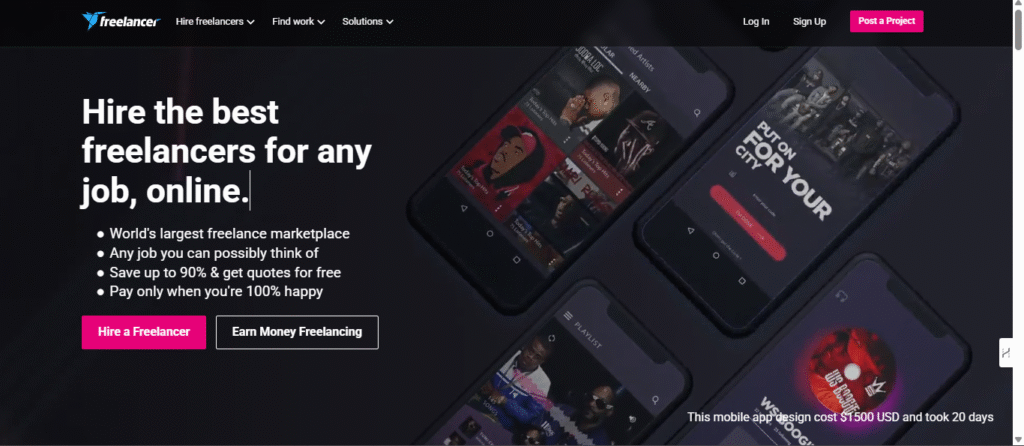
    5. Freelancer.com

    Freelancer.com is one of the oldest and most diverse freelancing platforms, hosting millions of jobs across industries like software, data entry, design, and engineering. It operates on a bidding system where freelancers compete for listed projects, and also offers contests for creative fields.

    Why It Stands Out for Nigerians:
    With global clients constantly posting jobs, Nigerians can land gigs in niches like writing, data entry, and digital marketing. The platform supports Payoneer and wire transfers, bypassing the PayPal roadblock. It’s also relatively beginner-friendly, though competition can be intense.

    Anutio Tip:
    Focus on quick-win jobs or contests to build a review base fast. Filter for verified employers only.

    • Signup Requirements: Basic profile setup, identity verification, and connecting a payment method
    • Payout Systems: Wire, PayPal, Skrill
    • Why It’s Great: Beginner-friendly
    • Limitations: Scammy clients, high service fees and intense bidding competition. Free accounts have limited bids, which may hinder visibility.

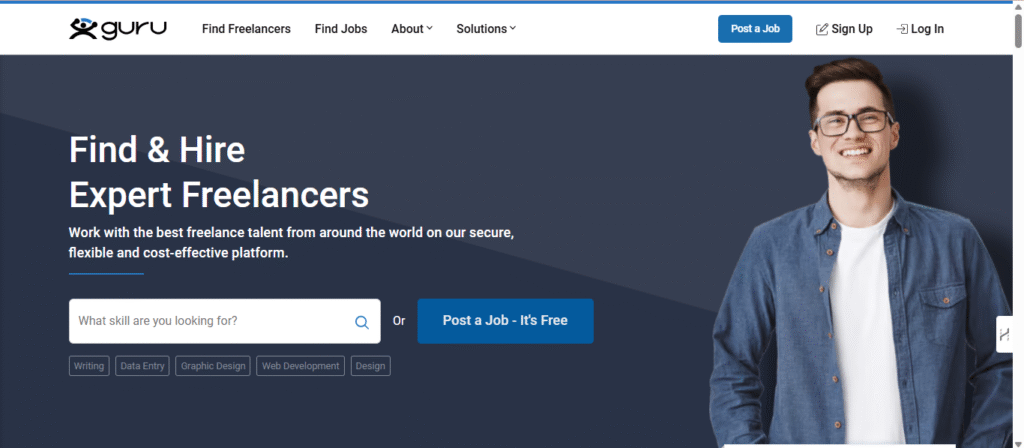
    6. Guru

    Guru is a flexible freelance platform best suited for experienced professionals in writing, IT, engineering, sales, and design. Its WorkRoom tool makes team collaboration and milestone tracking very efficient for long-term contracts.

    Why It Stands Out for Nigerians:
    Guru allows freelancers to quote on jobs with either a fixed rate or hourly model. It also integrates with Payoneer and wire transfers, making it accessible to Nigerians. Its vetting system helps weed out low-quality clients, which protects freelancers from scams.

    Anutio Tip:
    Guru favors niche experts—target industry-specific jobs and do keyword research to update your profile to meet exact job matches. Use Guru for retainer clients vs. one-offs.

    • Signup Requirements: Professional profile, verification of skills, portfolio (optional but recommended)
    • Payout Systems: Payoneer, wire transfer, direct bank deposit (no PayPal support for Nigerians)
    • Why It’s Great: Multiple payment options
    • Limitations: It’s less popular than Upwork or Fiverr, so there may be fewer gigs. Freelancers must also pay for monthly plans to unlock more bidding features

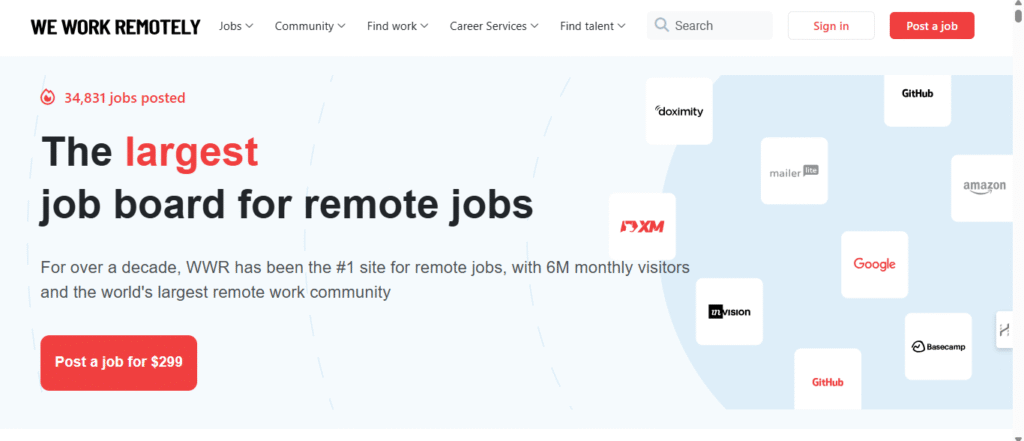
    7. We Work Remotely

    WWR is a premium job board known for curating full-time and part-time remote jobs in design, marketing, programming, customer service, and more. It’s a favorite among startups and mid-sized companies offering long-term roles.

    Why It Stands Out for Nigerians:
    You apply directly to companies, often without intermediaries or competition with 100+ bids. These are jobs, not gigs—great for Nigerians seeking consistent freelance or contract income. The jobs here pay well and come from credible companies.

    Anutio Tip:
    Always personalize your application—generic pitches won’t work here.

    • Signup Requirements: No sign-up needed. Most applications are via direct email, form, or company career pages
    • Payout Systems: Determined by the employer—many support Payoneer or international wire transfers
    • Why It’s Great: Premium remote clients
    • Limitations: High standards and job descriptions may require international-level experience. Tech skills are in higher demand than creative ones

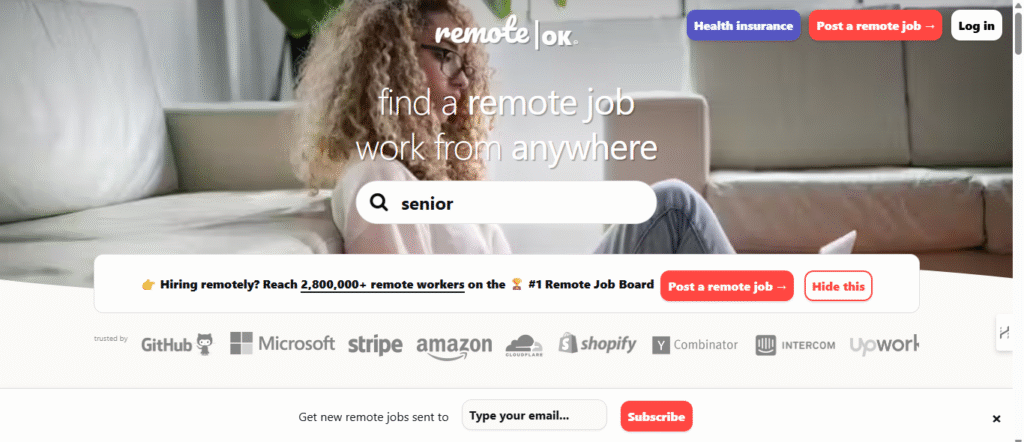
    8. Remote OK

    RemoteOK is a job board—not a traditional freelancing marketplace—that lists remote jobs from companies worldwide, especially in tech, customer support, marketing, and product management. Freelancers can apply directly to companies hiring globally.

    Why It Stands Out for Nigerians:
    No bidding wars! You apply directly to companies that are already hiring remote talent. Many job posts are high-quality with clear salary ranges and benefits. Some listings are even crypto-friendly or asynchronous, perfect for Nigeria’s time zone.

    Anutio Tip:
    Pair your RemoteOK search with a polished CV and GitHub or Behance portfolio. Also, a Turn on daily alerts for new postings in your niche.

    • Signup Requirements: No account needed to browse; some employers require resumes, portfolios, or GitHub profiles
    • Payout Systems: Varies by employer—many pay via Payoneer, crypto, or direct deposit.
    • Why It’s Great: Newer roles, low competition
    • Limitations: No internal client protection like Upwork; job volume for non-tech roles is limited

    9. Truelancer

    Truelancer is an India-based freelancing platform growing in popularity across Africa. It features jobs in development, design, writing, support, and admin. It offers hourly, fixed, and part-time projects, many from small business clients.

    Why It Stands Out for Nigerians:
    It’s less saturated than Fiverr or Upwork, so new freelancers stand a better chance. It also supports crypto payouts and Payoneer—two key payout options in Nigeria.

    Anutio Tip:
    Focus on international jobs or clients hiring for ongoing support tasks. Use Truelancer for small gigs to build reviews.

    • Signup Requirements: Quick sign-up with optional identity verification. Portfolios and skill tests help you stand out
    • Payout Systems: Payoneer, crypto, wire transfer
    • Why It’s Great: Less saturated
    • Limitations: Some job budgets are low due to its Asian base. You must filter carefully to avoid underpaid gigs

    10. SolidGigs

    SolidGigs isn’t a traditional freelance marketplace—it’s a curated lead generation service. Instead of browsing job boards all day, SolidGigs handpicks the top 1% of freelance gigs from across the web and sends them straight to your inbox weekly. It’s ideal for experienced freelancers who want to save time and focus on closing deals.

    Why It Stands Out for Nigerians:
    No bidding wars. You’re not competing with thousands of freelancers—just applying directly to curated leads. It’s a time-saver for Nigerian freelancers with a clear niche and solid portfolio, especially in content writing, SaaS marketing, and design.

    • Signup Requirements: No client-side profile required. Simply subscribe (paid monthly) to receive leads. You’ll need a strong pitch, resume, and/or portfolio to land gigs
    • Payout Systems: Payment is handled off-platform—through the client directly. Most clients pay via Payoneer, PayPal, or Wise
    • Why It’s Great: Saves time, high-quality gigs
    • Limitations: There’s a monthly subscription fee (~$19), and it’s best for freelancers who already have clarity, confidence, and conversion-ready portfolios

    11. Workana

    Workana is a Latin America–based freelancing platform that’s expanding into Africa and Asia. It supports long-term remote contracts and one-off gigs across marketing, IT, admin, writing, and translation. It’s structured similarly to Upwork, with a bidding model and a client feedback system.

    Why It Stands Out for Nigerians:
    Workana actively promotes remote hiring in Africa and supports payout methods accessible in Nigeria. It’s ideal for bilingual freelancers and those offering remote assistance, copywriting, or entry-level development.

    Anutio Tip:
    Translate your pitch using DeepL and target English-speaking clients.

    • Signup Requirements: Create a profile, verify email, and bid on projects. Optional: upload portfolio and complete skills tests
    • Payout Systems: Payoneer, bank transfer, and crypto via third-party wallets
    • Why It’s Great: International demand
    • Limitations: Most projects are in Spanish or Portuguese. However, English-speaking roles are growing. Budget rates can be lower than Western platforms

    12. FlexJobs

    FlexJobs is a premium remote work and freelance job board that curates flexible, part-time, full-time, and project-based roles in 50+ career fields. Every job is screened for legitimacy—making it one of the safest platforms for global freelancers.

    Why It Stands Out for Nigerians:
    If you want serious freelance roles from Fortune 500s, nonprofits, and startups—this is your hub. Nigerian freelancers can find jobs in marketing, customer service, tech support, transcription, and more. Many companies on FlexJobs support global remote hiring.

    Anutio Tip:
    Create a search filter cheat sheet for FlexJobs so you only see roles that mention “remote international” or “global contractor.” This saves hours every week.

    • Signup Requirements: Subscription required (plans from $2.95/week to $49/year). No bidding. Just apply directly
    • Payout Systems: Handled by employer; often Payoneer, Wise, or direct bank transfers
    • Why It’s Great: Scam-free listings
    • Limitations: It’s not free, and not all employers hire globally. Carefully review listings to confirm eligibility for Nigeria-based freelancers

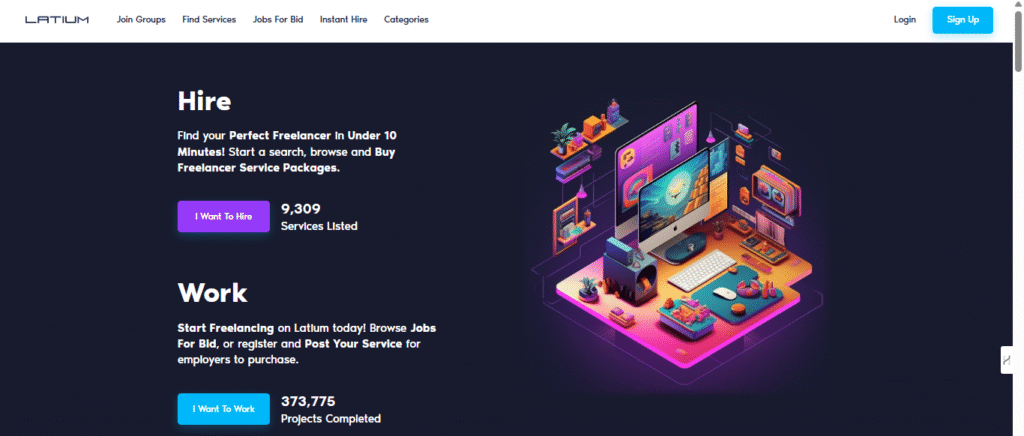
    13. Latium

    Latium is a crypto-powered freelancing platform designed for microtasks, creative projects, and technical gigs. It’s like Fiverr but powered by blockchain tech. Clients post jobs and pay in cryptocurrency (mainly USDT, BTC, ETH), though fiat payments are also possible.

    Why It Stands Out for Nigerians:
    For tech-savvy freelancers and crypto enthusiasts in Nigeria, Latium is a goldmine. It bypasses traditional banking limitations. Jobs range from graphic design and translation to NFT design and web dev.

    Anutio Tip:
    Don’t just apply—create custom crypto-themed packages (e.g., NFT avatar design or Web3 copywriting). Cash out via stablecoins and transfer to Binance or Luno in naira.

    • Signup Requirements: Sign up, complete profile, crypto wallet recommended (Metamask or Latium Wallet), and apply for tasks
    • Payout Systems: Crypto (USDT, ETH, BTC) or fiat via integrated payment gateways. No need for PayPal or Payoneer
    • Why It’s Great: Great for Web3 enthusiasts
    • Limitations: Volatility of crypto payouts. Also, not ideal for freelancers unfamiliar with digital wallets and blockchain basics

    How to Choose the Right Freelance Platform for Your Skills

    Not all freelance platforms are created equal. Some are ideal for beginners testing the waters. Others are competitive, high-paying arenas for seasoned pros. The key is choosing a platform that matches your skill level, industry, and freelance goals.

    First, Ask Yourself:

    • Are you just starting out, or do you have a portfolio?
    • Do you prefer one-off gigs or long-term contracts?
    • Do you want fast cash, experience, or reputation building?
    • Are you in a “figuring-it-out” phase or deeply specialized?

    Let’s break it down by category and find you the best fit.

    Beginner Freelancers: Gaining Experience, Testing Skills

    Best for:

    • Entry-level creatives, admin support, data entry, virtual assistants, student freelancers, and those without a portfolio.

    Recommended Platforms:

    • Fiverr: Start simple. Sell specific services (e.g., “I’ll design your event flyer”) and build ratings fast.
    • PeoplePerHour: Less competitive than Upwork, good for small gigs and local-style jobs.
    • Latium: Microtasks and crypto gigs—great for building confidence and earnings simultaneously.
    • Freelancer.com: Easy to join, plenty of entry-level projects in multiple categories.

    Intermediate Freelancers: Some Experience, Ready to Grow

    Best for:

    • Freelancers with 6–18 months of experience, some client work, and a semi-polished portfolio.
    • Roles: Graphic designers, frontend developers, content writers, translators, VA specialists.

    Recommended Platforms:

    • Upwork: Great for scaling up, especially if you can position yourself with a niche (e.g., eCommerce VA, B2B content writer).
    • Workana: Strong for remote contract work across Latin America, now expanding in Africa.
    • FlexJobs: Ideal if you’re targeting part-time or freelance work with established companies.
    • SolidGigs: For freelancers who prefer to apply to curated, high-quality leads.

    Advanced Freelancers: Specialists, Consultants, High Earners

    Best for:

    • Highly skilled freelancers with a strong portfolio, confident communication, and niche authority.
    • Roles: Senior developers, SaaS writers, UX researchers, business consultants, legal advisors.

    Recommended Platforms:

    • Toptal: Elite network—apply only if you can pass rigorous screening (ideal for devs, designers, finance experts).
    • SolidGigs: You don’t waste time searching. You get top-quality leads to pitch.
    • We Work Remotely / Remote OK: Best for job-style freelancing or remote roles in tech and product.

    Still Figuring It Out? No Problem.

    You don’t need everything figured out to start. Some platforms are ideal for exploring, experimenting, and learning while earning.

    Recommended Platforms:

    • Freelancer.com: Try different project types.
    • Latium: Microtasks to test your interest in design, writing, or marketing.
    • Workana: Access flexible contracts while finding your niche.

    Before you Join a Platform, Do This:

    • Audit your skills. Use Anutio’s free “Career Map” to find ideal niches for your abilities.
    • Set a micro-goal. e.g., “I want 1 client review in 2 weeks.”
    • Polish your pitch. Even one strong portfolio item + a bold introduction can land you gigs faster than a cluttered, unfocused profile.

    BONUS SECTION: Quick Start Guide

    How to Get Your First Freelance Client in 30 Days (Even If You’re Starting From Scratch)

    Getting started doesn’t have to be confusing. You don’t need a fancy website, massive portfolio, or 5 years of experience. What you need is focused action—and consistency. Here’s your step-by-step 30-day plan to land your first paying client.

    Step 1: Choose Your Battlefield (Day 1–2)

    Pick just 1–2 freelance platforms. Don’t scatter your energy. (Check what platform works for you in the previous section).

    Step 2: Build a Basic Portfolio (Day 3–5)

    No client yet? No problem. Create 2–3 mock samples to show what you can do.

    ✅ Use Canva to design:
    – Instagram carousels
    – Blog headers
    – Resumes
    – Brand kits

    ✅ Use Notion to build:
    – A free portfolio page
    – Case study layout
    – Service menu

    Keep it simple. Quality over clutter. Make it look clean and confident.

    Step 3: Join the Freelance Hustle Circles (Day 6–10)

    Find where your future clients and fellow freelancers hang out.

    🔥 Join these:

    Observe. Introduce yourself. Offer value before you pitch. And follow daily job posts.

    Step 4: Start Pitching Daily (Day 11–29)

    This is where magic happens.

    📂 Save 3 pitch templates:

    • One for Upwork proposals
    • One for email outreach
    • One for cold DMs on LinkedIn or Twitter

    Pitch every day. Minimum 3–5 per day.
    Track it. Refine it. Don’t wait for perfect.

    🪄 Sample pitch opener:

    “Hi [Client Name], I saw your need for a [service] and I’ve helped brands like yours with results-driven solutions. Would you like a free mini sample?”

    Step 5: Use a 30-Day Client Tracker (Free Download)

    Stay on track. Don’t ghost your own goals.

    Your 30-Day Client Tracker Includes:

    • Daily pitch log
    • Follow-up reminders
    • Notes on what’s working
    • Platforms to prioritize
    • Wins, feedback, and client leads

    📥 [CTA: Download the Anutio 30-Day Client Tracker]

    Use this tracker to turn actions into patterns—and patterns into paid clients.

    Day 30: Celebrate + Reflect

    Even if you don’t land a big client yet, here’s what you will have:

    • A strong online presence
    • Sample work ready to showcase
    • Pitching experience
    • Real platform familiarity
    • Possible referrals or trials

    And most importantly: Momentum.

    Freelancing isn’t just another side hustle buzzword or a Gen Z escape route. It’s a full-blown transformation of how work happens across the world. From Enugu to Edmonton, Ibadan to Berlin, skilled Nigerians are plugging into global opportunities—and getting paid in strong currencies to do what they love.

    But success doesn’t happen by chance. It happens when you prepare intentionally, choose smart platforms, and show up consistently.

    Whether you’re just figuring things out, or ready to pitch clients from Day 1, remember this:
    You don’t need to know everything to start. You just need to start with what you know.


    But also be prepared:

    • Track your progress (start with our free tracker!)
    • Set up your payouts
    • Learn your freelance rights and responsibilities
    • Find your niche
    • Build a mini-portfolio
  • How to Write Career Change Cover Letter (Examples + Checklist)

    How to Write Career Change Cover Letter (Examples + Checklist)

    Career change cover letter – Switching careers can feel like stepping into the unknown. One moment, you’re comfortable in your current field, and then the next, you’re eager to explore something completely different. To make this transition effective, one of the most important things to prepare is a career change cover letter. According to Indeed’s 2019 data, 13% of 8,000 job seekers were looking for opportunities in a completely different career field. The study also revealed three main reasons behind their decision to switch careers: the desire for a higher salary, better career growth opportunities, and more meaningful work.

    Whether you’re moving across industries or climbing into a new role, a well-crafted cover letter can open doors. Let’s dive into how to make yours stand out!

    Example of Transferable Skills Matrix for Career Changers

    Past Role ExampleCore SkillNew Role ApplicabilityQuantifiable Impact
    Project Manager (Tech)Problem-solvingHealthcare Ops CoordinatorReduced project delays by 15%
    Teacher (Education)CommunicationMarketing SpecialistPresented complex ideas to diverse groups
    Sales Associate (Retail)Customer ServiceHR GeneralistResolved 50+ customer issues daily
    Journalist (Media)Research & AnalysisData AnalystSynthesized data for 100+ articles

    Feeling unsure about where your skills could take you next? With Anutio, you can map your transferable skills to real, in-demand career paths without guesswork. Our AI-driven insights highlight roles that match your strengths, helping you explore new directions confidently and make informed decisions as you plan your next move.

    What Is a Career Change Cover Letter?

    A cover letter is one of the most important documents when applying for any job. Through this letter, you can explain why you stand out from other candidates. Structurally, a career change cover letter is quite similar to a regular one. However, the main difference lies in how you present your work experience and skills.

    Key Differences: Traditional vs. Career Change Cover Letter

    AspectTraditional Cover LetterCareer Change Cover LetterStrategic Focus
    Primary GoalEmphasizes direct experience alignment.Highlights skill transfer and growth potential.Bridges past achievements with future goals.
    EmphasisFocuses on job-specific experience.Centers on transferable skills and passion for the new field.Demonstrates relevance, enthusiasm, and adaptability.
    Narrative ArcPresents a linear career progression.Tells a story of pivot, learning, and new direction.Justifies the shift through purpose and readiness.
    Risk MitigationLow risk , candidate fits the role directly.Higher perceived risk due to limited direct background.Reduces concern by showing commitment and thorough research.

    Since the main purpose of this cover letter is to support a career transition, you need to clearly explain why your previous experiences and skills are relevant to the role you’re applying for. This way, you can avoid giving the impression that you lack experience when a recruiter reads your cover letter.

    Here are the key sections you should include in a career change cover letter:

    • Introduction paragraph
    • Work experience paragraph
    • Transferable skills paragraph
    • Closing paragraph

    How to Write a Career Change Cover Letter

    1. Introduction: Start with a clear and friendly opening

    The first part of your career change cover letter should introduce yourself and provide a brief overview of your background. In your opening paragraph, mention your full name, your current or previous background, the position you’re applying for, and your interest in the new career field. You can also briefly explain why you believe you’re a strong fit for the role.

    One of the strongest ways to make a cover letter stand out is to highlight impact instead of job duties. Hiring managers already know what the role’s responsibilities look like, so they’re scanning to see whether you’ve actually driven results. When writing your cover letter, lead with the outcomes you delivered: increased revenue, improved processes, reduced costs, strengthened customer satisfaction, or any measurable improvements you contributed to.

    Think of this as showing the transformation you can bring. If you helped a team scale operations, solved a persistent bottleneck, or launched an initiative that moved the needle, frame that upfront. 

    These “wow factors” help the reader sense your value quickly and create a subtle FOMO effect, so they don’t want to miss out on someone who can replicate that impact for their company. Your examples shouldn’t just describe what you did, but why it mattered and what changed because of you.

    For example, if you’re moving from a translator role to digital marketing, you can write something like this:

    “Dear Mr./Ms. [Name],

    My name is Lucky, and I’m applying for the Digital Marketing Specialist position at ABC. In my current role as a Translator, I’ve been closely involved in shaping content for digital campaigns, refining copy, improving clarity, and helping the team strengthen message delivery across channels.

    Over the past two years, several of the articles I revised have driven a 32% increase in reader retention, and my collaboration with the marketing team contributed to a 20% lift in organic traffic. I’m looking to bring that same performance mindset into digital marketing at ABC.”

    2. Work Experience: Share your professional background

    The second section of your cover letter should highlight your previous work experience and explain your motivation for making a career switch. Try connecting your past experiences to the new role you’re pursuing. This helps recruiters see that your decision is intentional and driven by genuine interest.

    If possible, mention key achievements or contributions you made in your previous company , this helps you appear professional and results-driven, even if your background differs from the role. By providing this context, you’ll give recruiters a strong reason to view you as a capable and committed candidate.

    3. Transferable Skills: Highlight the skills that carry over

    Beyond work experience, focus on the skills you can transfer to the new role. These are called transferable skills, abilities that remain relevant across different industries or job functions. Highlight skills that align closely with the role you’re applying for, and support each one with a short example of how you’ve applied it in past experiences. According to The Muse, the best way to write about transferable skills is to keep it concise, specific, and supported by real examples.

    Some universal transferable skills that apply to almost any profession include:

    • Communication
    • Leadership
    • Critical thinking
    • Creativity
    • Work ethic

    If you notice certain qualifications you don’t yet have, avoid exaggerating or including them. Instead, focus on what you do have and link those strengths to the job’s requirements. If you’re not fully sure what your strengths translate to, Anutio help make that clearer. The platform shows you evidence of what you’re genuinely good at, highlights the transferable skills you might be overlooking, and maps them to career paths that actually fit your priorities and personality.

    4. Closing: Wrap it up with confidence and professionalism

    In the final paragraph, summarize your message by reiterating your enthusiasm for the role and how you can contribute to the company’s goals. You can also mention that you look forward to the opportunity to discuss your background and skills further in an interview. Finally, close your letter politely and professionally. You can use sign-offs like “Sincerely, [Your Name]” or “Best regards, [Your Name]”.

    By following this structure, you’ll create a career change cover letter that not only explains your transition but also shows confidence, clarity, and readiness to take on a new professional challenge.

    How do I identify and highlight transferable skills?

    Identify transferable skills by analyzing your past roles for common competencies like communication, problem-solving, project management, and leadership, then highlight them with specific examples relevant to the new field. 

    Think beyond job titles and consider the underlying tasks and challenges you successfully navigated. For instance, customer service experience can translate to client management, and data entry to attention to detail and accuracy. Quantify your achievements whenever possible to demonstrate the impact of these skills. 

    How can I tailor my cover letter to a specific industry or role?

    Tailor your cover letter by thoroughly researching the specific industry, company, and role, then using their language, values, and demonstrating how your skills align directly with their needs. Analyze the job description for keywords and essential responsibilities, incorporating them naturally into your letter. 

    Research the company’s mission, values, and recent projects to show you’ve done your homework and are genuinely interested. Mention specific company initiatives or achievements to prove you’re not sending a generic letter. This level of personalization convinces hiring managers that you understand their world. 

    Takeaway: Personalize every cover letter with specific company and industry details to demonstrate genuine interest.

    If you’re ready to move from confusion to clarity, ACE (Anutio Catalyst Experience) gives you everything you need to build momentum. Unlimited mapping, AI guidance, human coaching, a career journal, resume tools, and a supportive community, all in one place. Learn more. 


    Advanced Strategies & Common Pitfalls

    Common mistakes to avoid in a career change cover letter
    When writing a career change cover letter, one of the most common mistakes is not explaining the reason behind your career transition. Recruiters need context , without it, your story might feel incomplete. Avoid using overly generic language or focusing too much on roles that don’t relate to the new position.

    Another pitfall is failing to show measurable results. If you only list transferable skills without concrete examples, your abilities can sound vague. Steer clear of negative comments about your previous job or industry, as they can make you appear unprofessional.

    Keep your letter concise and proofread it carefully, long or error-filled applications often lose recruiters’ attention. The key is to stay positive, purposeful, and forward-looking.

    Using storytelling to make your letter more engaging
    Storytelling can make your cover letter memorable and help recruiters see your value beyond your résumé. Try sharing a short, real-life example that reflects a transferable skill, a challenge you overcame, or a moment that inspired your career shift.

    Start with a hook that sets the scene, describe what you did, and end with the outcome or lesson learned , then connect it directly to the new role. For example, you might mention leading a cross-functional project or solving a major client problem, even if it happened in a different context.

    This approach humanizes your application and allows hiring managers to visualize how you work in action.

    When to use a hybrid cover letter format
    A hybrid cover letter format works best when you already have some relevant experience or education in your new field but still need to bridge a career gap. It combines the clarity of a traditional format with the narrative flow of a career change letter.

    This approach is ideal if you’ve completed a bootcamp, side project, or volunteer work that aligns with your target role. It helps you highlight direct experience while still explaining your broader career journey.

    Cover Letter Examples for Career Changes

    Early Career Change: Sample Cover Letter

    Dear Hiring Manager,

    In my last retail role, I helped boost our store’s monthly customer satisfaction scores by 14% and reduced understaffed hours by 20% by reorganizing workflows and improving how our team communicated during busy shifts. Those improvements came from noticing small visual and operational gaps, and fixing them fast.

    Even though my degree is in graphic design, these experiences made it clear that I work best when I’m solving problems visually. That pushed me to complete an Adobe Creative Suite certification and build a portfolio that reflects both my design training and the practical instincts I developed on the floor. I’m applying for the junior designer role to bring that mix of clarity, visual thinking, and real-world execution into a creative team.

    I recently completed a certification in Adobe Creative Suite and have built a portfolio showcasing my design projects. I am excited about the opportunity to contribute fresh ideas and grow with your talented team.

    Mid-Career Change: Sample Cover Letter

    Dear Ms. Thompson,

    With over eight years in financial analysis, I’ve led projects that helped companies reduce operational costs by up to 12% and improved forecasting accuracy across multi-department budgets. Most of my work centered on spotting patterns early, quantifying risks, and building models that shaped major business decisions, skills I’m now applying to environmental consulting.

    To prepare for this shift, I completed a diploma in environmental science and spent the past year volunteering with local conservation groups, where I supported data collection and impact reporting. I’m excited to bring a mix of analytical rigor and sustainability-focused insight to Green Earth Consulting.

    Late Career Change: Sample Cover Letter

    Dear Hiring Team,

    After a rewarding 25-year career in education administration, I am transitioning into nonprofit management. My experience leading teams, managing budgets, and developing programs has equipped me with skills vital to nonprofit success.

    I have recently volunteered with Community Outreach, gaining firsthand experience in fundraising and event planning. I look forward to bringing my leadership and passion for community service to Hope Foundation.

    IT to Teaching: Sample Cover Letter

    Dear Principal Johnson,

    My decade-long career in IT has given me a strong foundation in problem-solving and technology integration. Now, I am eager to channel these skills into teaching computer science at the high school level.

    I earned my teaching certification last year and completed a student-teaching internship focused on engaging diverse learners. I am committed to inspiring students to explore technology and develop critical thinking skills.

    Accounting to Marketing: Sample Cover Letter

    Dear Marketing Director,

    As a certified public accountant with five years of experience, I am excited to pivot into marketing. My analytical background enables me to interpret market data and optimize campaign budgets effectively.

    I have recently completed a digital marketing course and managed social media for a local nonprofit. I am enthusiastic about leveraging my skills to create impactful marketing strategies at BrightWave Agency.

    Sales to Healthcare: Sample Cover Letter

    Dear Hiring Manager,

    After a successful career in sales, I am transitioning into healthcare administration. My experience in client relations and team leadership has prepared me to manage patient services efficiently.

    I am currently pursuing a healthcare management certificate and volunteering at City Hospital, where I assist with patient coordination. I am passionate about improving healthcare experiences and eager to contribute to your team.

    Childcare to Administration: Sample Cover Letter

    Dear Ms. Lee,

    Having spent several years in childcare, I am moving into administrative roles where I can apply my organizational and interpersonal skills. Managing classroom schedules and communicating with families has honed my multitasking and problem-solving abilities.

    I recently completed an office administration diploma and am proficient with various software tools. I am excited to support the operations team at Bright Futures Academy and help streamline processes.

    Ready to Upgrade Your Career in 2026?

    As the year comes to a close, now’s the perfect time to start planning your next career move. Whether you’re exploring new opportunities or aiming to grow where you are, the right tools can make all the difference. Anutio helps you uncover what you’re truly great at and align your career path with your life priorities and unique personality. With Anutio, you can identify your transferable skills, explore career pathways you never knew existed, track your progress, and compile your achievements , all in one place.

    Start your 2026 career upgrade today with Anutio.

  • Understanding the Job Market in Toronto: Opportunities and Challenges

    Understanding the Job Market in Toronto: Opportunities and Challenges

    A friend of mine landed in Toronto recently, full of hope. She had two degrees, polished her resume, and started applying on the very first day. By the end of the week? Nothing but auto-replies. You know the ones, “Thanks for applying, but…”

    She was shocked. She kept asking me, “Why is it so hard to get a response when I know I’m qualified?”

    Here’s the thing no one really tells you until you’re already frustrated: The Toronto job market isn’t broken, but it does have layers. And if you don’t know how to navigate them, especially as a newcomer, you end up feeling invisible.

    Not to hand you the usual “apply through LinkedIn or Indeed” advice (which works, but only 10% of the time), in this blog, we will be showing you the real structure of the market. The unspoken norms. The referral-first culture. The timing tricks, the startup shortcuts, and the survival mindset that help you thrive when you’re not born into the network.

    Toronto Employment View

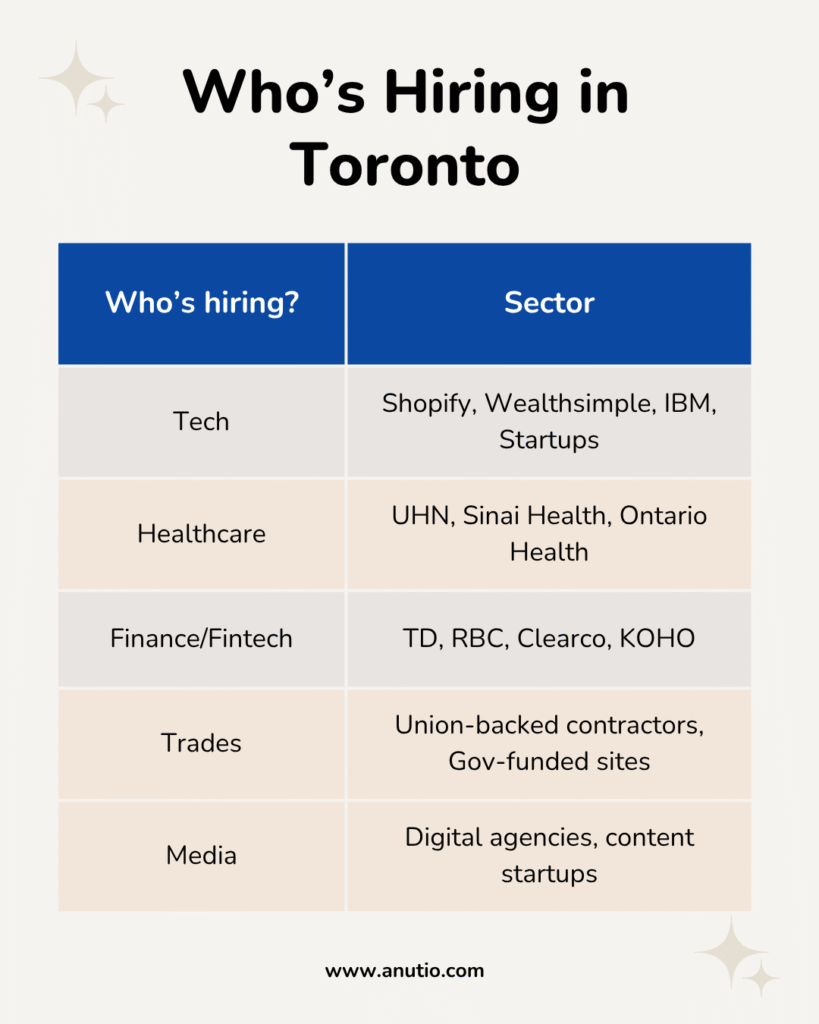
    A. Top Hiring Sectors & Growth Areas

    Toronto is still one of the most opportunity-rich cities in North America, but you need to know where to look. The industries hiring right now aren’t always the ones we assume.

    Here are the sectors pulling in talent across the board:

    Tech

    From AI startups to global giants like Shopify, Microsoft, and Google’s Sidewalk Labs (RIP but replaced), tech is booming. The city’s tech workforce has grown by over 40% in the last five years, and demand hasn’t slowed.
    Roles in:

    • Cloud infrastructure
    • Data engineering
    • AI/ML
    • DevOps
    • Frontend + backend (React, Node, Python, Go)

    Healthcare

    Post-COVID, Toronto’s health sector is hiring constantly, especially:

    • Nurses
    • PSWs
    • Lab techs
    • Health informatics experts (if you’ve got tech + healthcare, jackpot)

    Finance & Fintech

    Bay Street may look old-school, but fintech startups are popping up weekly.

    • Financial analysts
    • Risk & compliance
    • Data-heavy roles in blockchain, credit scoring, and lending platforms

    Skilled Trades

    Electricians, HVAC technicians, plumbers, and construction supervisors are consistently in demand.
    And yes, these jobs pay very well, often better than entry-level office roles.

    Creative + Digital Media

    Digital marketing, UX/UI, video content, and paid media specialists are in high demand, especially at agencies, e-commerce companies, and small businesses.

    Quick breakdown:

    B. Hiring Cycles & Seasonality

    Timing can make or break your job search.

    Peak hiring months:

    • January to March – budgets reset, new roles open
    • September to early November – post-summer rush to fill roles before year-end

    Slow periods:

    • Summer (July–Aug) – people are on vacation, hiring slows
    • Mid-November to December – companies wind down for the holidays

    Recruiters on Quora mention they’re less responsive during slow seasons, not because you’re unqualified, but because internal processes slow down or freeze. Use those quiet months to prep.

    • Redo your resume
    • Build projects
    • Grow your LinkedIn
    • Do informational interviews (people have more time!)

    C. The Education vs. Skills Debate

    In Toronto, your degree will get your foot in the door, but it won’t get you the job. You’ll find dozens of posts from international grads and immigrants saying:

    “I have a Master’s, and I still couldn’t get interviews.”
    “Local employers keep asking for experience, not just education.”

    But here’s what employers care more about:

    • Local experience
    • Portfolio or project outcomes
    • Communication and cultural fit
    • Soft skills: time management, teamwork, problem-solving
    • Your ability to jump in and contribute immediately

    They want proof that you can work, not just study. That means:

    • Volunteer or freelance work counts
    • Open-source contributions help
    • Side projects can tip the scale
    • Certifications with practical projects matter more than long lists of degrees

    Don’t lead with your education. Lead with what you’ve done. Then let your education support it.

    Challenges for Immigrants & International Graduates

    Moving to Toronto and arriving with diplomas from back home? You’re in great company. But here’s the reality: it’s not always smooth.

    A. Credential Recognition

    First off: those shiny overseas degrees often don’t carry the same weight here.
    HR managers and recruiters see a University of Toronto diploma, and they get it. A degree from elsewhere? They may need convincing.

    What to do:

    • Use credential evaluators like WES or ICES right away. That gives your resume context.
    • Include phrases like “Canadian-equivalent education” once your evaluation arrives.
    • Add any local short courses—bootcamps, Certs, microcredentials—to reinforce that you’re current.

    B. The Experience Paradox

    You need Canadian experience to get a job, but you need a job to get Canadian experience. Right?

    What works is strategic:

    • Volunteering with organisations—like HackTO, local charities, even school tech clubs—counts.
    • Internships, even unpaid or contract, open doors.
    • Short-term freelance projects that solve local problems? Gold.

    These help you list “Toronto experience” on your LinkedIn and resume. HR will take a second look.

    C. Overcoming Bias & Building Networks

    Even with the right credentials, it’s harder to break in without connections.
    You may face accents, communication style differences, or cultural misunderstandings. That’s not on you, it’s a system issue. What matters is how you adapt.

    Pro tips from immigrants on Quora and Reddit:

    • Speak clearly, even if you’re not 100% accent-free.
    • Show cultural curiosity—understand Canadian workplace norms (meetings, email tone, etiquette).
    • Be proactive: ask for coffee chats rather than a cold application.
    • LinkedIn and Slack active participation = visibility and referrals.

    Hiring managers often say they’re looking for adaptability and coachability. Show that you can “flip the switch” by understanding local expectations.

    D. Licensing & Regulation

    If you’re a nurse, teacher, accountant, or in finance, don’t underestimate the licensing piece. It can take months or even years.

    Action plan:

    • Start early with bridging programs (like Ryerson for teachers or CNA for finance)
    • Look for accelerated streams—they exist, though harder to find
    • If you’re in education, get your letter from the Ontario Teachers’ Federation
    • Healthcare workers—consider bridging roles or PSW work first

    The faster you qualify, the sooner you can actually work in that field.

    Toronto’s Hidden Job Market

    You’ve probably applied to 100 postings already. Still nothing. That’s because 70–80% of jobs are never public; they live in networks and communities.

    A. Referral & Community-Based Hiring

    Most Canadian hires happen via referrals or internal hires. Companies are safer hiring someone people already vouch for.

    How to tap in:

    • Go to local meetups—TechTO (tech), charity boards, even fitness events with entrepreneurs
    • Slack/Discord communities for Toronto tech groups—they’re gold
    • Start with comment engagement. Then ask for an intro, share a project, and build trust

    B. Personal Branding in Toronto

    Here’s the difference between good candidates and great ones: visibility.
    A filled-in “About” section on LinkedIn that includes your city, a friendly headshot, and your current learning projects? That’s how recruiters find you.

    Feature:

    • Projects with local context
    • Volunteer roles in your communities
    • Hackathon + open source contributions

    Toronto employers love seeing you plugging into the ecosystem.

    C. Targeted Networking

    Sending resumes to jobs@ is easy, but it rarely works. Instead, focus on strategic networking:

    • Alumni associations—from your alma mater or bootcamp often host events in Toronto.
    • Professional associations like CPA Ontario or PMINTO host free or low-cost sessions.
    • Lean into professional seminars and workshops—even virtual ones can be Toronto-only.

    Goal: meet someone who can vouch for your fit. A real human, not a bot.

    Opportunities in High‑Demand Sectors

    Toronto’s not just big, it’s diverse. Let’s break down the industries that offer real chances, and how YOU can get in.

    A. Tech & Startups

    The tech landscape here is booming. From massive players to AI and green-tech startups, opportunities are everywhere.

    What’s hot right now:

    • Cloud and DevOps: AWS, Azure, GCP skills in massive demand
    • AI/ML/Data: massive infrastructure and analytics teams at Shopify, DeepMind
    • Full-stack (Node, React, Python): Startups love someone who can cover both ends

    Why startups are worth attention:

    • Less rigid titles “developer” might mean working on design, infrastructure, or user interviews
    • Grants and incentives (like IRAP and SR&ED) push startups to hire quickly

    Insider advice:

    • Look up startups funded in the last 2 years—these are in growth mode
    • Mention familiarity with grant programs in your applications
    • Your freelance or side project work absolutely counts here—show it off as applicable experience

    B. Healthcare & Wellness

    Toronto’s health scene is hiring for both traditional and emerging roles:

    • Nursing, PSWs, Lab Technicians—high demand continues post-COVID
    • Health Informatics—beautiful blend of healthcare + data (expect C$70K–C$100K)

    Strategy tip:

    • If you come from a clinical background, a Health Informatics certification takes weeks and opens tech doors
    • If you have tech skills, pair them with volunteer work in health organisations or even with APIs that integrate health data

    C. Skilled Trades & Green Jobs

    This is sometimes overlooked, but trades are consistently high-paying and in high demand.

    • Electrical, plumbing, and HVAC trade unions are actively sponsoring newcomers
    • Renewable energy work—solar panel installation, EV charger setup is growing

    Steps to break in:

    • Explore apprenticeships and ask about sponsorship for certification
    • Even part-time clean energy projects or EV setups look solid on a future-forward resume

    D. Finance & Fintech

    Bay Street meets blockchain here in Toronto.

    • Roles: Financial analysts, Compliance, Data roles, Blockchain
    • Fintech firms: Wealthsimple, Koho, Borrowell, etc.

    What ups your chances:

    • Certifications like CFA, CPA, or PFP—available via Canadian bodies or night-school options
    • Tech skills and certifications (Excel, SQL, Python → quantitative roles)
    • Show involvement in local fintech communities—attend pitching nights or fintech meetups

    E. Digital Marketing & Creative Tech

    Who says Toronto isn’t digital? Agencies and startups need:

    • SEO / SEM / PPC specialists
    • Content creation, digital storytelling, and video editing
    • UX / UI design roles paired with marketing experience

    What lands interviews here:

    • Project-based portfolios with real campaign outcomes
    • Certifications (like Google’s Digital Marketing certificate)
    • Freelance or agency background? Feature it proudly, especially if you generated real results

    Overcoming Hiring Hurdles: Career‑Tactics Toolbox

    Here are laid‑out tools to overcome hurdles in Toronto’s competitive job market.

    A. Resume & ATS Optimisation

    Toronto’s resume format is simple but specific:

    • Stick to 1 page unless you’ve got 10+ years experience
    • Use Canadian English (labour, centre, colour!)
    • Include location and “Immigration status: Eligible to work in Canada” if applicable

    Mirror the job description. If it says “AWS, Kubernetes, Terraform”, you need those exact words.

    Tools: Jobscan, Resume Worded, Grammarly

    B. Interview Prep

    Different roles, different stages:

    • Panel interviews are common at banks and startups – 3–5 people, technical + cultural questions
    • Behaviorally, they want stories, use STAR (Situation, Task, Action, Result)
    • Show cultural fit: The Canadian workplace relies on collaboration, communication, and adaptability

    Toronto nuance: Business casual, punctuality, introductory small talk, being polite and clear go a long way

    Show your work: Bring portfolios, screenshots, or demo apps. Don’t be shy, be confident in what you’ve built.

    C. Building Local Experience Quickly

    You’ve got to dig in:

    • Volunteer: Hackathons, charity boards, tech associations
    • Co-op: Several colleges offer paid co-op placements for newcomers
    • Contract gigs: Even low-paid short-term projects count. List them clearly on LinkedIn and CV
    • Side projects: Open-source contributions show drive and self-learning

    These activities get resumes past “no local experience” filters.

    D. Government Resources & Supports

    Toronto offers great programs:

    • Job Bank, Employment Ontario, Immigrant settlement services
    • Canada-Ontario Job Grant, Digital Adoption Program: employers can get training costs covered if you know about it
    • Settlement agencies like COSTI, ACCES Employment—free resume reviews, interview help, job fairs

    Tip: Mention this in interviews. It shows you’re informed—and it’s often a hidden bonus.

    E. Mentorship & Coaching

    You aren’t alone. These resources help:

    • All immigrant-serving mentorship programs: Access Employment, Ryerson Hub
    • Startup mentorship from #YSL, #NEXT Canada
    • Peer coaches shared in Reddit threads (people actively doing this, zero-cost)

    Tactic: Apply early to community mentorship cohorts—they often accept small side projects or pair international grads with local mentors.

    Navigating the Gig / Freelance Economy

    Toronto’s gig economy is growing fast, and it’s not just about Uber or DoorDash. In 2022, some 624,000 Canadians reported gig work as their main job, while nearly 1.5 million took on freelance side gigs.

    Why Freelance Is a Smart Entry Point

    • Flexible cash flow while you job hunt
    • Real-world experience to counter the “no Canadian experience” label
    • A bridge to full-time. Many clients turn into referrals or outright hires

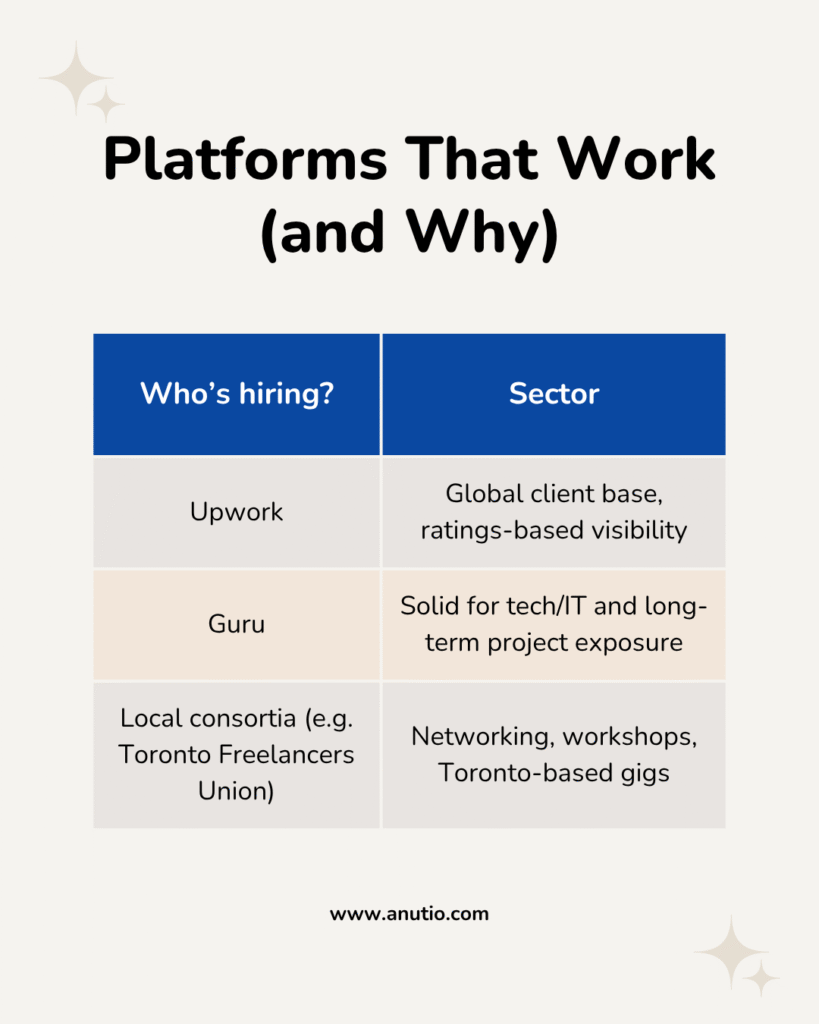
    Platforms That Work (and Why)

    From Freelance to Full-Time

    • Showcase local problem-solving in your portfolio (ex, “Helped a Toronto bakery modernise their online ordering via React”)
    • Request referrals from clients or partners
    • Transition smoothly by demonstrating reliability, punctuality, and communication in your freelance contracts. Many SMEs convert reliable freelancers into full-time hires

    Emerging Trends & Future Outlook

    Toronto is shifting beneath our feet, and future trends matter if you want to stay ahead.

    A. AI + Green Economy = Major Hiring Boom

    Ontario saw 17,000+ new AI jobs in 2024–25, more than doubling last year. Over 70 AI startups launched in Toronto alone. The government is also rolling out billions in incentives for AI-powered green data centres.

    B. Remote/Hybrid Work

    About 78% of Toronto office workers are now operating under hybrid arrangements. And 81% of Canadians support flexible work models .

    What it means for you:
    You can live in Hamilton or Ottawa, but land Toronto-based roles, just show strong remote work discipline and results.

    C. Economic Indicators & Government Support

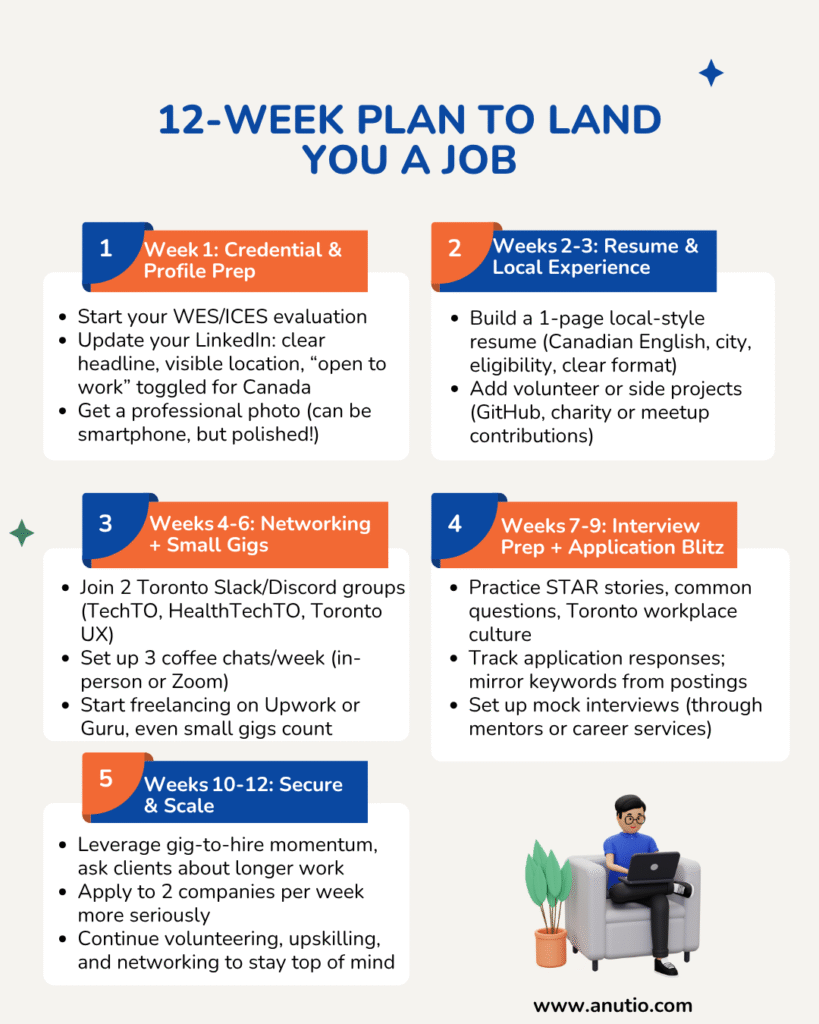
    Actionable Roadmap

    Here’s your 12-week plan to go from “just landed” to “working in Toronto”:

    Tools:

    • Roadmap template (.doc, .pdf) with checkboxes
    • Sample message scripts for LinkedIn/reach-outs
    • Resume layout in Google Docs

    Conclusion

    The immigrant advantage isn’t your past; you earn it by plugging into local networks, showcasing real work, and adapting quickly.

    With resilience, adaptability, and strategy, you won’t just find a job, you’ll build a career here.

  • 5 Certifications That Will Make You Stand Out to Top Tech Employers

    5 Certifications That Will Make You Stand Out to Top Tech Employers

    You’re scrolling job posts from Google, Meta, Microsoft, Shopify, Stripe — and everywhere you look, you see the same thing:

    “Cloud experience required.”
    “Security certifications preferred.”
    “Proven skills in data engineering, DevOps, or machine learning.”

    And then you wonder:

    Do I need more credentials to stand out?
    If so, which certifications are actually worth it — and which ones are just fluff?
    How do I choose the right certification if I’m balancing freelance work or starting my tech career?

    Here’s the deal: Certifications don’t guarantee you a job — but the right ones can absolutely help you:

    • Signal serious intent to recruiters
    • Build in-demand technical skills
    • Open doors to freelance opportunities and full-time tech roles
    • Show that you’re staying current in fast-changing fields like cloud, AI, and security

    Why Certifications Matter (and Where They Fit)

    Before we get to the list, let’s get one thing clear:
    Certifications alone won’t land you a job at a top tech company.

    But — they can bring a new phase in these cases:

    • You’re transitioning careers into tech and want to validate your skills
    • You’re a freelancer looking to unlock higher-paying tech contracts
    • You want to specialize in fast-growing areas like cloud, AI, cybersecurity, or data
    • You want to stand out in a crowded field of applicants

    According to a Global Knowledge survey, 76% of IT decision-makers believe that certified staff are more productive and deliver better results.
    (Source: Global Knowledge 2023 IT Skills and Salary Report)

    And in many hiring processes — especially for cloud, AI/ML, security, and DevOps roles — a respected certification can help your resume:

    • Pass through applicant tracking systems (ATS)
    • Catch the attention of technical interviewers
    • Help you show credibility even if you don’t have a traditional CS degree

    5 Certifications That Will Make You Stand Out to Top Tech Employers

    Google Professional Cloud Architect

    If you want to work with Google Cloud Platform (GCP) — or just be highly employable in cloud architecture roles across the industry — this is one of the top cloud certs you can get.

    Why it stands out:

    • Designed by Google for real-world cloud architects
    • Signals strong understanding of GCP architecture, security, compliance, and scalability
    • Valued at Google, Meta, Spotify, Twitter, and many cloud-first startups

    Great for:

    • Aspiring cloud engineers
    • Freelancers building cloud-based applications
    • Developers transitioning into DevOps or cloud architecture roles

    More info: Google Professional Cloud Architect

    AWS Certified Solutions Architect – Associate

    Amazon Web Services is still the #1 cloud provider globally — and AWS Certified Solutions Architect remains one of the most respected certifications across tech hiring.

    Why it stands out:

    • Demonstrates knowledge of designing scalable, highly available, and fault-tolerant systems on AWS
    • Recognized by almost every tech employer — Google, Meta, Microsoft, Amazon, Netflix, Airbnb, and more
    • Opens freelance contract opportunities for AWS migrations and optimizations

    Great for:

    • Cloud engineers
    • Software engineers looking to add cloud to their toolkit
    • Freelancers who want to offer AWS-based solutions

    More info: AWS Solutions Architect – Associate

    Certified Kubernetes Administrator (CKA)

    If you want to work in DevOps, cloud-native architecture, or site reliability engineering (SRE) — Kubernetes skills are hugely in demand.

    Why it stands out:

    • Kubernetes is now the industry standard for container orchestration
    • CKA is one of the most respected certifications for modern DevOps roles
    • Top companies building cloud-native systems look for this signal

    Great for:

    • DevOps engineers
    • Backend engineers moving into cloud-native architectures
    • Freelancers offering Kubernetes deployment and optimization services

    More info: Certified Kubernetes Administrator (CKA)

    Microsoft Certified: Azure Fundamentals (AZ-900)

    If you’re earlier in your career — or coming from a non-technical background — Azure Fundamentals is a great way to show your interest in cloud and enterprise platforms.

    Why it stands out:

    • Recognized by all Microsoft ecosystem employers (and many others)
    • A great entry-level cert to pair with data analysis, software engineering, or AI/ML learning paths
    • Helps build credibility for freelance work on Microsoft Azure cloud

    Great for:

    • Entry-level engineers
    • Tech-curious freelancers
    • Data analysts expanding into cloud-based data platforms

    More info: Microsoft Azure Fundamentals

    Google Professional Machine Learning Engineer

    If you’re targeting AI/ML roles — or want to freelance on machine learning projects — this is one of the best respected certs on the market.

    Why it stands out:

    • Designed by Google — focused on production-grade ML systems
    • Covers data pipelines, ML model deployment, and ML architecture at scale
    • Signals deeper engineering skills vs. just completing a bootcamp or online ML course

    Great for:

    • Aspiring ML engineers
    • Freelancers doing ML model tuning, deployment, and maintenance
    • Engineers looking to pivot into AI-focused roles at big tech companies

    More info: Google Professional ML Engineer

    How to Choose the Right Certification for You

    Here’s the golden rule:

    Only pursue certifications that align with the kind of roles or freelance work you want to do next.

    Ask yourself:

    • Do I want to specialize in cloud, AI/ML, DevOps, or security?
    • Am I transitioning into a new role — and need a certification to help recruiters trust my skills?
    • Am I trying to unlock new freelance contract opportunities where this certification will matter to clients?
    • Does this cert fill an actual gap in my portfolio — or am I just collecting badges?

    Certifications can amplify your profile — but they are not a replacement for building real skills and projects.
    Pair any certification with:

    • Real project experience
    • Public portfolio (GitHub, LinkedIn)
    • Ongoing learning and community involvement

    Final Tips for Using Certifications to Stand Out

    • Add your certifications to LinkedIn (many recruiters search for these keywords)
    • Highlight the certs + related skills on your resume
    • Talk about the real skills you gained from the certification during interviews
    • If freelancing → showcase these certifications on your Upwork/Fiverr/Toptal profile and proposals

    Conclusion

    The world of tech hiring is changing fast — but one thing remains constant:
    Hiring managers want to see evidence of real, current, valuable skills.

    Certifications are one way to signal that — especially when paired with strong projects and visible learning.

    Whether you’re just starting your tech journey, transitioning from freelance to full-time, or looking to deepen your expertise, these 5 certifications can help you stand out:

    • Google Cloud Architect
    • AWS Solutions Architect
    • Kubernetes CKA
    • Microsoft Azure Fundamentals
    • Google Professional ML Engineer

    But remember: Certs alone won’t land the job — your skills, portfolio, and relationships will.
    Use certifications to complement the work you’re already doing — and to open new conversations and doors.

    And if you’re building a hybrid freelance + tech career, certifications can unlock a whole new world of higher-paying freelance contracts while positioning you for future full-time roles.

    Your next opportunity could start with the next certification you pursue.