
Ask a typical 16-year-old to write a professional resume, and you will likely witness immediate panic. Most high school students and even early college students stare at a blank Word document and realize they have very little formal work experience to list. They end up with a static, half-page document that fails to capture their true potential, creativity, or problem-solving abilities.
For decades, educators have relied on this outdated resume format to prepare students for the workforce. However, as the 2026 job market aggressively shifts toward skills-based hiring, a piece of paper listing a GPA and a part-time summer job is no longer enough to impress modern employers.
If school districts and universities want to genuinely prepare their learners for the future, they must abandon the static resume. The solution lies in adopting modern student career planning tools designed to build dynamic, living student profiles.
Here is why the traditional resume is dead, and how forward-thinking educational leaders are using digital profiles to track competencies, ensure educational equity, and prove institutional ROI.
The Core Problem: The Static Student Resume
Before we look at the technological solution, we must understand why the old method is fundamentally flawed.
A traditional resume is a historical snapshot. It tells an employer what a student was, but it does a terrible job of predicting what a student can do. When students are forced to use outdated formatting to apply for internships or entry-level roles, they are at an immediate disadvantage.
Furthermore, the traditional resume exacerbates inequality. Students from privileged backgrounds often have access to resume-building extracurriculars or family connections that secure them prestigious internships. Conversely, disadvantaged students might spend their after-school hours caring for siblings or working unglamorous part-time jobs, experiences that build incredible resilience and time management, but look “unprofessional” on a standard resume template.
As we discussed in our article on Dynamic Student Profiles as the Future of Hiring, modern recruiters are experiencing “GPA fatigue.” They do not want to see a list of classes; they want to see verified proof of capability.
What Are Dynamic, Living Student Profiles?
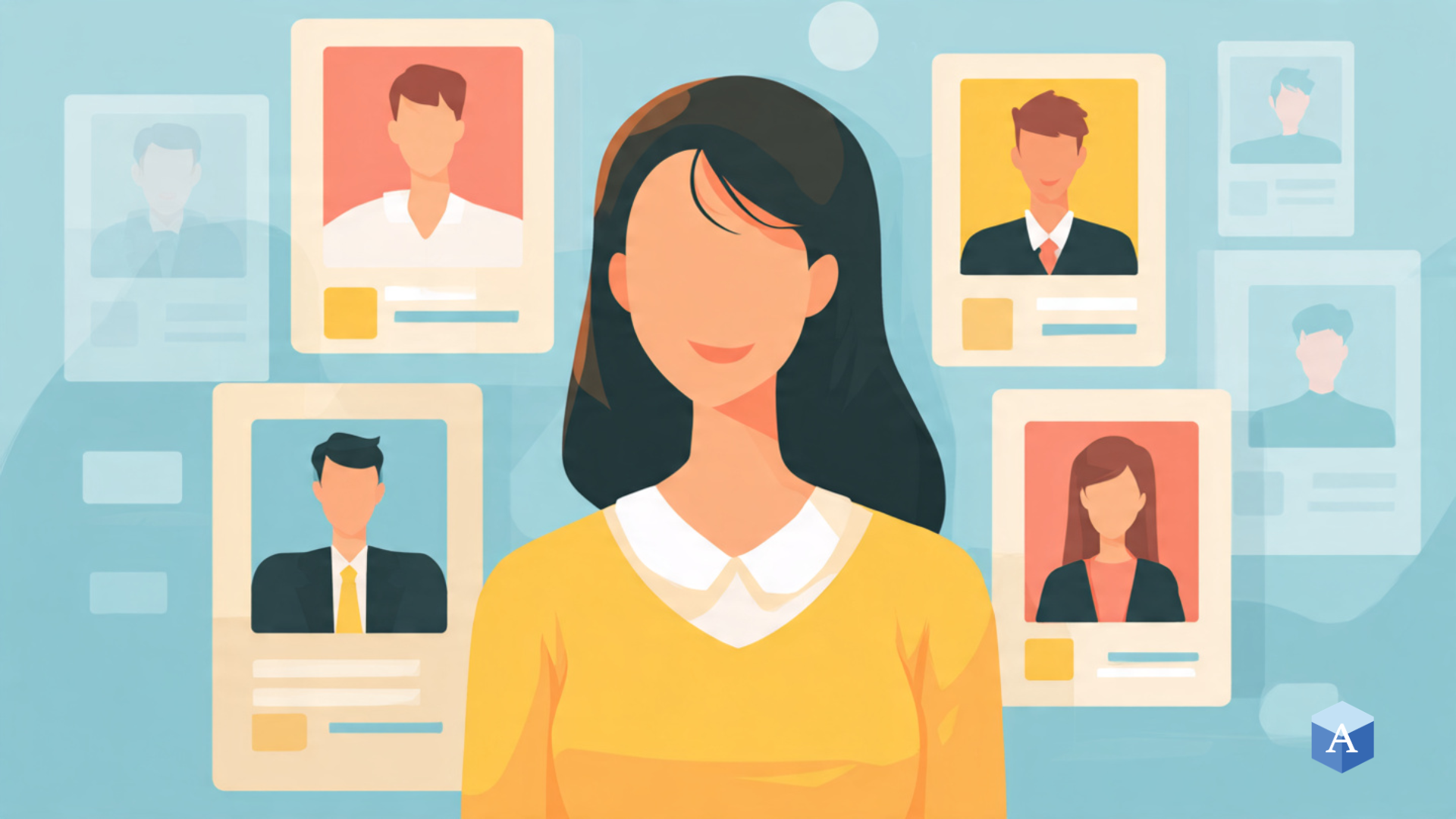
To fix this disconnect, education leaders are turning to robust student career planning tools that replace the paper resume with a dynamic, living digital portfolio.
Unlike a static document that a student only updates right before a job fair, a living profile grows alongside the student from freshman year through graduation.
A comprehensive dynamic profile includes:
- Multimedia Evidence: Links to GitHub repositories, video pitches of business class projects, or digital art portfolios.
- Micro-Credentials: Digital badges earned through short-term coding bootcamps, leadership seminars, or industry-recognized certifications (like OSHA or CompTIA).
- Verified Transferable Skills: Instead of a student simply typing “Leadership” on a page, the profile links that skill directly to a specific project or employer endorsement.
This approach aligns perfectly with the World Economic Forum’s Future of Jobs Report, which emphasizes that analytical and creative thinking are the most critical competencies for the future workforce. A dynamic profile actually proves a student possesses these traits.
How Modern Tools Power the Transition
Transitioning an entire district or university away from standard resumes requires the right infrastructure. This is exactly where modern student career planning tools shine. Here is how these platforms seamlessly integrate into a school’s existing workflow.
A. Translating Academic Projects into Corporate Language
Students often complete massive, complex projects in their capstone courses but have no idea how to explain them to a recruiter. Smart career tools act as an automated translator. When a student completes a group research assignment, the platform prompts them to tag the experience with transferable skill examples like “Data Synthesis,” “Cross-Functional Collaboration,” and “Project Management.”
B. Seamless Integration with Work-Based Learning (WBL)
Hands-on experience is the ultimate equalizer. When districts use software to scale their Work-Based Learning programs, the data flows directly into the student’s profile. If a student completes a 40-hour apprenticeship at a local manufacturing plant, the employer can log into the system and leave a verified endorsement of the student’s punctuality and teamwork. This creates a living record of employability that a paper resume simply cannot match.
C. Continuous Engagement, Not a One-Time Chore
As we highlighted in our guide on Engaging Student Career Planning Tools, career prep should not feel like homework. Because living profiles are highly visual and interactive, students naturally want to update them. It turns career readiness into a continuous exercise in personal branding rather than a stressful, last-minute graduation requirement.
Why Districts and Universities Must Adapt
For school boards, district superintendents, and university deans, purchasing new EdTech software must come with a clear return on investment. Funding student career planning tools that generate dynamic profiles provides massive administrative benefits.
- Streamlined Grant Compliance: If your school relies on federal Perkins V funding, you must prove your Career and Technical Education (CTE) programs are effective. A centralized digital profile system captures every certification and internship hour automatically. This makes your annual EdTech impact measurement and program evaluation effortless.
- Higher Alumni Placement Rates: When students graduate with a comprehensive digital portfolio, they interview better and stand out to top-tier employers. This directly improves your alumni employment metrics, boosting your institution’s reputation and future enrollment.
- Data-Driven Equity: Digital profiles allow administrators to look at district-wide data to see which demographic groups are securing internships and which are falling behind, allowing counselors to intervene proactively.
Stop Formatting, Start Building
We can no longer afford to send students into the most competitive, AI-driven job market in history armed with nothing but a black-and-white, text-only resume.
By implementing modern student career planning tools, educational institutions can empower their learners to build dynamic, living student profiles. These profiles capture the nuance, the creativity, and the verifiable skills that modern employers are desperately searching for.
It is time to move beyond the static page and start building living pathways to success.
Are you ready to modernize how your district tracks student competencies? Stop relying on messy spreadsheets and outdated paper resumes. Visit Anutio.com to explore and book a demo with our team today to see how our Portrait of a Graduate Dashboard can help you easily build and manage dynamic student profiles at scale.
