AI is showing up everywhere these days, even in places we never expected, like career coaching. Instead of paying for a human coach, many people now try tools that promise to help with resume writing or even personalised career guidance.
But here’s the big question: can you really trust these tools? Are they reliable, or do they carry hidden biases that could advantage some individuals while disadvantaging others?
This question matters because careers are life-changing. If AI advice is tilted in one direction, say, favouring certain schools, genders, or backgrounds, it can quietly lock people out of opportunities. Research has already shown that AI hiring systems can reflect biases found in the data they’re trained on. That means the same problems we’ve always had in hiring could sneak into the new “AI career coach” world if we don’t pay attention.
At the same time, some platforms are working hard to make their tools fair and more reliable. For example, BetterUp Grow has mixed AI with human coaches to reduce mistakes. And newer solutions like Anutio are openly addressing issues like explainability and transparency, so users know why they’re getting the advice they see.
So, what does bias mean in AI career coaching, and what does reliability look like?
What Does “Bias” Mean in AI Career Coaching?
When we talk about “bias,” we’re basically asking if the system treats everyone fairly, or does it lean in favour of some people over others? In AI career tools, bias often originates from the data on which the system is trained. For example, if an algorithm was trained mostly on resumes from men in tech, it might give women or non-tech professionals weaker suggestions.
Here are some common types of bias we’ve seen in AI tools:
Age bias – Older workers may be overlooked if the system assumes career changes are only for younger people.
Cultural bias – Tools built for U.S. markets might ignore career paths in Nigeria, Canada, or other regions.
Data bias – If the training data is narrow, the tool will give narrow advice.
In short, bias is when AI unintentionally continues the unfair patterns we already see in the workplace.
What Does “Reliable” Mean in AI Career Coaching?
Reliability is the opposite of bias. It’s about giving advice that is consistent, transparent, and useful. A reliable AI career tool doesn’t just spit out random suggestions; it explains why it made those suggestions and helps you see a clear path forward.
Reliable tools usually show three things:
Transparency – They tell you why they recommended a certain career path. (For example, “We matched you with this role because you have 3 years of marketing plus 2 years of teaching experience.”)
Consistency – They give similar answers to similar people, instead of jumping around.
Proof of success – Platforms like Careerflow.ai highlight their user numbers (600k+) to show the advice has worked for many.
When reliability and bias are both handled well, you end up with tools that actually help instead of hurt. That’s the standard Anutio is trying to set by combining explainable AI with human oversight, so career advice is both fair and dependable.
Where AI Works Well & Where It Falls Short
AI career coaching isn’t all bad or all good; it has clear strengths, but also important gaps.
Where AI shines
Speed and accessibility – AI can quickly review a resume or suggest career paths in seconds. Tools like Rezi and Careerflow help job seekers make professional resumes faster than ever.
Personalisation at scale – Platforms like BetterUp Grow and Anutio combine human and AI support to give tailored coaching to employees at large companies.
Cost-effectiveness – Traditional coaching is expensive, but AI tools make career advice more affordable for students and job seekers.
Where AI struggles
Understanding human context – AI can miss the deeper “why” behind a career pivot, like why a teacher might want to move into product management.
Transferable skills – Many systems still focus too much on technical job history. Few really highlight how nonprofit or volunteer experience can transfer to formal jobs.
Cultural blind spots – AI trained in U.S. or European job markets may not reflect realities in Nigeria, Canada, or other regions. Preparing workers globally requires understanding local needs.
Bias risks – If unchecked, AI continues to recommend patterns that favour certain groups over others.
So yes, AI is great for giving people a starting point, but it can’t fully replace the nuance of a human coach, at least not yet.
How Anutio Ensures Fairness & Reliability
This is exactly where Anutio is different. While many platforms focus only on resumes and algorithms, Anutio was designed to blend fairness, transparency, and human oversight right from the start.
Here’s how Anutio does it:
Explainable AI – Instead of leaving users in the dark, Anutio shows how it weighs skills, experiences, and goals. This kind of explainability builds trust and avoids “black box” advice.
Cross-border adaptability – Whether you’re a student in Nigeria or an immigrant in Canada, Anutio adapts to regional realities, filling a gap left by most global tools.
Human-in-the-loop checks – AI suggestions are paired with human oversight, ensuring people don’t get locked into one-size-fits-all advice.
Privacy-first approach – Unlike some tools that hide data use in fine print, Anutio commits to being upfront and compliant with regional standards. (For example, Canada follows PIPEDA rules, while Nigeria enforces NDPR).
Community and partnerships – By working with networks like youth empowerment groups, Anutio ensures real-world feedback keeps shaping the AI.
How You Can Test If a Career Coaching AI Is Biased
You don’t need to be a tech expert to figure out if an AI career coach is fair or not. Here’s a quick checklist you can use before trusting any platform:
Do they explain their advice? Reliable tools should tell you why they gave you certain career suggestions. If it feels like a mystery box, that’s a red flag. As Forbes explains, explainable AI is key to trust.
Do they show real results? Look for platforms that publish case studies, like how many users found jobs. For example, BetterUp highlights outcomes from companies that use its coaching model.
Do they consider your background? A good platform adapts to culture and location. The World Economic Forum points out that AI needs to reflect local labor markets, not just U.S. or European data.
Do they have human oversight? Tools with a “human-in-the-loop” setup are safer because people can catch mistakes AI might miss. This is a practice recommended in OECD’s AI principles.
How do they handle your data? Privacy matters. Check if the platform follows standards like Canada’s PIPEDA or Nigeria’s NDPR. If you can’t find a clear statement, that’s another warning sign.
By running through this checklist, you can protect yourself from relying on biased or unreliable career advice.
What to Watch Out For – The Risks
Even with all the benefits, AI career coaching isn’t risk-free. Here are some traps to avoid:
Over-reliance on AI If you follow AI blindly, you may miss career options that don’t fit neatly into its database. As MIT Technology Review notes, AI tools can sometimes reinforce narrow career patterns instead of opening new doors.
Generic advice Many free AI tools give cookie-cutter answers. They might suggest the same job paths for thousands of people without recognising your unique mix of skills.
Data misuse Some platforms quietly collect more personal information than they should.
Cultural mismatch A tool built for U.S. job seekers might recommend roles or industries that don’t even exist in Nigeria, or ignore immigrant realities in Canada. That makes it unreliable for people outside those “default” systems.
False confidence AI sounds confident even when it’s wrong. Without transparency or human review, it’s easy to mistake confidence for accuracy.
This is why platforms like Anutio are taking extra care to address bias and reliability, combining explainable AI, human oversight, and regional sensitivity, so that career advice feels trustworthy, useful, and safe.
Frequently Asked Questions (FAQ)
1. Can AI replace human career coaches? Not yet. AI can give quick answers and help with tasks like resumes, but it struggles with emotional intelligence and context. Experts at SHRM point out that humans are still needed to catch subtle things AI misses. The best option is a mix — AI for speed, humans for nuance.
2. Does AI favour certain groups, like men over women? Sadly, yes. Multiple studies, including one from MIT Technology Review, show that AI tools can reflect biases from their training data. That’s why transparency and oversight are so important.
3. Is AI trustworthy in countries like Nigeria and Canada? It depends. Many AI career platforms are built for U.S. or European job markets, so they can miss local realities. Anutio is tackling this gap by adapting advice for Nigeria and Canada specifically.
4. How often should AI tools be audited? Experts at OECD recommend regular audits to check fairness and accuracy. Without ongoing checks, bias can creep back in as markets and data evolve.
5. Is my personal data safe when using AI career tools? It depends on the platform. Some tools hide vague policies in the fine print. Reliable platforms openly follow data laws like Canada’s PIPEDA or Nigeria’s NDPR. If you don’t see a clear privacy policy, that’s a red flag.
Is AI career coaching biased or reliable?
The answer to this is that it can be both. Many tools carry hidden biases because they learn from flawed data, while others don’t explain their advice at all. But when designed carefully, with transparency, human checks, and local context, AI can change the career development game.
This is exactly why Anutio was created. By combining explainable AI, regional adaptability, and real human oversight, Anutio helps students, professionals, and immigrants get fair and reliable career guidance in both Nigeria and Canada.
AI tools are shaping the future of work; the safest bet is to choose platforms that are upfront, ethical, and proven. And that’s where Anutio stands out.
Imagine showing up every day, giving your best, only to realize that some colleagues seem to get faster promotions and more recognition-without the same effort. This could be a one of sign of favoritism at work. Favoritism in the workplace is more common than many realize. Globally, nearly 40% of employees observe favoritism, yet 59% of these observations go unreported, according the Ethics & Compliance Initiative. In the U.S., favoritism is a serious concern, with 40% of employees saying they would consider quitting because of it.
What Is Favoritism at Work?
Favoritism occurs when managers or leaders give preferential treatment to certain employees based on personal relationships, biases, or other non-performance-related reasons. Favoritism is about unfair advantage, while merit-based recognition rewards employees based on their skills, effort, and results. Employees who perceive favoritism may become disengaged, leading to decreased morale and productivity, which can ultimately affect the overall success of the organization.
Difference Between Favoritism vs. Merit-based Recognition
Merit-based recognition is transparent and tied to clear criteria like performance metrics, accomplishments, and contributions. Employees understand why someone receives praise or promotion because it’s based on objective standards. Favoritism, on the other hand, is often subjective and hidden. It may stem from personal relationships, such as friendships or family ties, rather than work quality. This can leave other employees feeling overlooked or undervalued, even if they outperform the favored individuals.
Favoritism at Work: Types of Favoritism
Favoritism can take many forms. Nepotism, where family members receive special treatment, is one common type, 85% of Fortune 500 companies reportedly have at least one family member working within the company. Another form is cronyism, where friends or close associates get preferential opportunities. Other types include favoritism based on shared backgrounds, personalities, or even unconscious biases related to gender, race, or age.
Recognizing these different forms helps in identifying and addressing favoritism effectively. For instance, favoritism based on shared backgrounds might lead to a lack of diversity in teams, as leaders may unconsciously favor those who resemble their own experiences. Sometimes favoritism makes it hard to see your real strengths clearly. Tools like Anutio help professionals rediscover their core skills and strengths so they can move forward with confidence, even in challenging environments. Learn more here.
25 Clear Signs of Favoritism at Work
The same people get the best projects every time.
Rules and expectations apply differently to different employees.
Promotions go to a select few without a clear process.
Certain employees’ opinions are prioritized over others.
The manager spends noticeably more time with specific individuals.
Important information is only shared with certain people.
Some employees receive extra coaching or mentorship.
Workloads are uneven, with favorites getting easier tasks.
The same people are consistently praised publicly.
Mistakes by certain employees are overlooked.
Select employees get special privileges not given to others.
Deadlines or performance expectations are relaxed for certain people.
Ideas are accepted only when coming from the favorites.
The same people are always chosen to represent the team.
Employees feel they must stay on the manager’s good side.
Policies shift to accommodate specific individuals.
Favorites get more training or development opportunities.
Some employees’ concerns are taken seriously while others are dismissed.
Manager shows clear personal rapport with specific employees.
Favorites receive higher performance ratings without justification.
Others frequently have to cover tasks for certain individuals.
Manager defends certain employees regardless of the issue.
Special treatment is explained with vague or inconsistent reasons.
Team morale declines due to visible unequal treatment.
Employees stop speaking up because decisions seem predetermined.
Favoritism at Work: Workload, Opportunities, and Access
In many workplaces, the distribution of workload can reveal underlying biases. When certain employees are consistently assigned high-stakes projects, it not only boosts their visibility but also enhances their career trajectory, while others may feel sidelined and undervalued. This can lead to a sense of disillusionment among those who are not favored, as they may perceive their contributions as less important or their potential for growth as limited.
Moreover, the lack of equitable access to training and mentorship can stifle the professional development of those who are not in the inner circle, perpetuating a cycle of favoritism that can be hard to break. Additionally, the disparity in flexibility regarding schedules and deadlines can create a toxic atmosphere where resentment brews. Employees who feel they are held to stricter standards may become disengaged, leading to decreased productivity and morale.
Favoritism at Work: Promotions, Raises, and Evaluations
The impact of favoritism on promotions and raises can be particularly demoralizing for employees who work diligently but receive little recognition. When promotions are handed out based on personal relationships rather than merit, it can lead to a culture of cynicism and disengagement. Employees may feel that their hard work is futile if they believe that advancement is predetermined by favoritism rather than performance. This perception can also lead to high turnover rates, as talented individuals seek environments where their contributions are valued and rewarded fairly.
Furthermore, the inconsistency in performance evaluations can create a rift within teams. When some employees receive constructive feedback while others are left in the dark, it fosters an environment of confusion and frustration.This lack of transparency can hinder professional growth and lead to a culture where employees are hesitant to voice their concerns or seek improvement, fearing that their efforts will go unnoticed or unappreciated.
If favoritism has shaken your confidence or made you question your next steps, Anutio offers structured career clarity exercises that help you map out options based on your personality, abilities, and long-term goals, not someone else’s bias.
Favoritism at Work: Social and Relational Dynamics
The social dynamics within a workplace can significantly influence perceptions of favoritism. When leaders choose to socialize primarily with a select group of employees, it can create an exclusionary atmosphere that alienates others. This favoritism can manifest in various ways, from informal mentorship opportunities to insider knowledge about upcoming projects or promotions, further entrenching the divide between favored and unfavored employees. The result is often a workplace culture that prioritizes relationships over merit, leading to a lack of trust and collaboration among team members.
Moreover, the presence of gossip and rumors can exacerbate feelings of resentment and suspicion. When employees speculate about who is truly advancing based on personal connections rather than hard work, it can create a toxic environment where morale plummets. This atmosphere can be particularly detrimental in family-run businesses, where nepotism is often more pronounced. Employees may feel that their chances for advancement are not based on their skills or contributions, but rather on their connections, leading to a pervasive sense of disenchantment and disengagement.
Favoritism at Work: Decision-Making and Influence
The influence of personal relationships on decision-making can severely undermine the integrity of an organization. When project assignments and promotions are based on favoritism, it not only demotivates those who are overlooked but can also lead to poor performance outcomes. Teams thrive on diversity of thought and experience, and when decisions are made through a lens of favoritism, the organization risks stagnation and a lack of innovation. Employees may feel disenfranchised, leading to a culture where they are less likely to contribute ideas or take initiative.
Additionally, the dismissal of complaints from non-favored employees can create a culture of silence, where individuals feel their voices are not valued. This can lead to a lack of accountability and transparency, further entrenching the power dynamics within the organization. When policies are applied inconsistently, it breeds resentment and can lead to a culture of favoritism that is difficult to dismantle. Employees may feel that their hard work is futile if they believe that their efforts are overshadowed by personal relationships, leading to disengagement and high turnover rates.
Visibility & Recognition
The visibility of certain employees in company communications can create an imbalance that affects team dynamics. When only a few individuals are consistently highlighted, it can foster a sense of competition rather than collaboration, as others may feel their contributions are not valued. This lack of recognition can lead to decreased motivation and engagement, as employees may feel that their hard work goes unnoticed. Furthermore, when public praise is disproportionately awarded, it can create a culture of favoritism that is difficult to challenge, as employees may begin to believe that success is not based on merit but rather on personal relationships.
Moreover, the limited opportunities for others to present their work can stifle creativity and innovation within the organization. When only a select few are given the chance to showcase their contributions, it can lead to a lack of diverse perspectives and ideas being shared. This can ultimately hinder the organization’s growth and adaptability in an ever-changing market. The institutionalization of favoritism, as evidenced by the belief that it is reinforced through nepotism and internal networks, can create a cycle that perpetuates inequality and dissatisfaction among employees, making it crucial for organizations to address these issues head-on to foster a more equitable workplace.
The Impact of Favoritism on Team and Employee Well-Being
Favoritism doesn’t just hurt individual employees; it damages the entire team dynamic. When favoritism is perceived, trust erodes, collaboration suffers, and motivation drops. Employees who feel overlooked may disengage or consider leaving, the latter is true for 40% of U.S. employees who would quit due to favoritism. Workplace morale declines, and the culture can become toxic, with resentment and frustration taking root. This environment stifles innovation and productivity, ultimately impacting the company’s bottom line. In family businesses, nepotism-related favoritism has even been linked to 40% of business failures.
Moreover, the effects of favoritism can extend beyond immediate job dissatisfaction. Employees who feel marginalized may experience increased stress and anxiety, leading to mental health issues that can further affect their work performance and overall well-being. Studies have shown that when employees perceive unfair treatment, their commitment to the organization diminishes, resulting in higher absenteeism and lower job satisfaction. This cycle of negativity can create a ripple effect, influencing the attitudes and behaviors of even those who are not directly affected by favoritism.
Additionally, favoritism can hinder the development of a meritocratic culture where achievements are recognized and rewarded based on performance rather than personal relationships. This can lead to a lack of diversity in ideas and perspectives, as employees who might otherwise contribute valuable insights may feel discouraged from voicing their opinions. As a result, organizations may miss out on innovative solutions and creative problem-solving, which are essential in today’s competitive landscape. The long-term implications of such a culture can be detrimental, as companies may struggle to attract and retain top talent who seek inclusive and fair work environments.
How to Confirm Whether It’s Favoritism or Misinterpretation
Sometimes, what feels like favoritism might be a misunderstanding. Before jumping to conclusions, gather evidence. Track how assignments, raises, and recognition are distributed over time. Look for patterns rather than isolated incidents. This methodical approach can help clarify whether the perceived favoritism is a recurring issue or simply a series of coincidental occurrences. For instance, if you notice that certain individuals consistently receive more challenging projects or public acknowledgment, it may warrant a deeper investigation into the underlying reasons.
Ask trusted colleagues if they’ve noticed similar trends. Their insights can provide a broader perspective and help you gauge whether your feelings are shared or unique to your experience. Additionally, reviewing company policies and performance criteria is crucial; it allows you to see if decisions align with stated standards.
If possible, request feedback from supervisors about your own performance and opportunities for growth. This feedback can be invaluable, as it not only sheds light on your standing within the organization but also opens up a dialogue about expectations and areas for improvement. Understanding the difference between actual favoritism and misinterpretation helps avoid unnecessary conflict and guides the next steps effectively. It’s essential to approach the situation with an open mind, as this can lead to constructive conversations that might alleviate any concerns.
Engaging in discussions with management about your observations can also foster a more transparent workplace culture, where employees feel valued and heard. By being proactive, you not only advocate for yourself but also contribute to an environment where fairness and equity are prioritized.
What You Can Do if You’re Experiencing Favoritism
Start by documenting specific instances where favoritism has affected you. Keep records of assignments, feedback, and any relevant communications. This will be useful if you decide to raise concerns formally. Consider noting the dates, times, and contexts of these occurrences, as well as any witnesses who may have observed the behavior. This level of detail can strengthen your case and provide a clearer picture of the patterns at play, making it easier for others to understand the impact on your work environment.
Consider having a candid conversation with your manager or HR representative. Focus on how the situation impacts your work and career development rather than making accusations. Express your desire for fair treatment and equal opportunities. It may also be helpful to prepare for this conversation by outlining your achievements and contributions to the team, demonstrating that your performance is deserving of the same recognition as your peers. This proactive approach can help frame the discussion positively and highlight your commitment to the organization’s success.
If the issue persists, explore other channels like anonymous reporting or employee support programs. Sometimes, seeking mentorship or expanding your network can also open doors beyond the immediate team or department. If you’re feeling stuck or overlooked, remember that your value isn’t defined by biased systems. Anutio helps people understand their unique strengths and match them with roles where their contributions are recognized fairly.
Conclusion
Favoritism at work is more than just an annoyance; it’s a serious issue that can undermine careers, damage team dynamics, and hurt organizational success. Recognizing the signs-from uneven workloads to biased promotions-is the first step toward addressing it.Whether you’re an employee feeling sidelined or a leader aiming to build a fair workplace, awareness and action matter. Fairness isn’t just a nice-to-have; it’s foundational for a thriving, motivated workforce.
Ready to Upgrade Your Career in 2026?
As the year comes to a close, now’s the perfect time to start planning your next career move. Whether you’re exploring new opportunities or aiming to grow where you are, the right tools can make all the difference.Anutio helps you uncover what you’re truly great at and align your career path with your life priorities and unique personality. With Anutio, you can identify your transferable skills, explore career pathways you never knew existed, track your progress, and compile your achievements, all in one place.
If you’ve ever considered changing careers, you’ve probably faced that familiar doubt, “Does any of my past experience actually matter in a completely different field?”. But, did you know, it’s a moment almost every career changer goes through! But what’s the truth that rarely gets said out loud is: Your skills have always been more transferable than your job title suggests. This guide brings together 69+ transferable skill examples you can carry into any new career, plus practical ways to highlight them on your resume and in interviews.
What Are Transferable Skills?
Transferable skills are the abilities you’ve developed in one environment that still hold value when you move into another. They’re not tied to a specific job title or industry, they’re the underlying strengths that shape how you communicate, solve problems, organize work, support teams, and navigate complexity. For anyone exploring a career change, these skills are the bridge that connects your past experience to your future opportunities. They help you explain, with clarity and confidence, how your background still matters, even if your next step looks completely different from what you’ve done before.
Think about a project manager who’s used to coordinating deadlines, aligning stakeholders, and keeping a dozen moving parts in order. Those same strengths translate naturally into roles in operations, event planning, or education, where structure and clear communication are essential. Or someone from a customer-facing role, someone who’s practiced empathy, patience, and conflict resolution every day. Those capabilities carry over seamlessly into HR, client success, sales, and other people-centric fields.
When you start viewing your experience through this lens, your career story becomes less about “switching paths” and more about redirecting strengths you’ve been building all along. Employers value adaptability, strong judgment, and the ability to contribute in different contexts, and transferable skills are how you make those qualities visible.
And if connecting those dots feels challenging, there’s support for that.Anutio helps you uncover your transferable skills, understand where they fit best, and translate your experience into a confident, future-ready career story. Learn more here.
How to Identify Your Transferable Skills
Start With Your Past Experience
Begin by taking a closer look at your previous roles, projects, and responsibilities. What did you actually do each day? Which tasks came naturally to you? And what challenges did you consistently find ways to overcome? Focusing on the work itself, not the job title, makes it easier to spot the skills you’ve built along the way. Managing a team, coordinating events, analyzing data, planning schedules, delivering presentations, each of these tasks reflects a set of abilities that can carry over into a wide range of roles.
Don’t limit yourself to formal work experience. Volunteer activities, community involvement, hobbies, and personal projects often reveal skills you might overlook. Organizing a charity event, coaching a local sports team, running a book club, or maintaining a blog all showcase strengths like leadership, organization, creative problem-solving, or digital proficiency. These experiences count, and they often illustrate your abilities even more clearly than a job description.
Ask Yourself Skill-Finding Questions
Self-reflection can surface strengths that aren’t immediately obvious. Ask yourself questions like:
What tasks do I consistently do well?
What do people rely on me for?
When have I stepped up or solved a difficult problem?
Which activities energize me or come naturally?
Moments when you navigated conflict, led a small initiative, adapted to a major change, or supported a struggling coworker often reveal key transferable skills, negotiation, resilience, empathy, critical thinking, or leadership. This is also where outside perspective helps. Colleagues, managers, friends, or mentors can point out strengths you may not notice in yourself. Their feedback can uncover patterns and remind you of experiences you’ve forgotten, making your skill set clearer and more well-rounded.
Match Your Skills to Target Job Descriptions
Once you’ve identified your skills, compare them to the job descriptions in your desired field. Look for recurring themes, keywords, and competencies employers emphasize. This overlap becomes your roadmap, it shows you which skills to highlight on your resume, in your portfolio, and during interviews. Consider creating a simple skills matrix that maps what you bring against what your target roles require. Seeing everything side by side helps you understand where you’re already strong and where you may want to upskill further.
More importantly, it gives you a clearer narrative for explaining why you’re a strong fit, even if your background looks different on paper. This alignment is what turns a career pivot from intimidating to intentional. And if connecting these dots feels overwhelming, you don’t have to navigate it alone.Anutio helps you map your transferable skills, match them with real roles, and translate your experience into a confident, compelling career story, so your next move feels grounded and strategic. Learn more here.
Below, you’ll find transferable skills examples that show how everyday responsibilities can translate into strengths across different industries.
Transferable Skills Examples by Popular Career Change Paths
Transferable Skills Examples: Admin to Data or Tech
Administrative professionals often have strong organizational skills, attention to detail, and proficiency with software tools, all valuable in data and tech roles. Skills like scheduling, record-keeping, and managing communications translate well into project coordination, data entry, or even coding with some additional training. Problem-solving and multitasking under pressure are also common in admin roles, which align with troubleshooting and managing workflows in tech environments.
Furthermore, the ability to prioritize tasks and manage competing deadlines is crucial in fast-paced tech settings, where agility and efficiency can significantly impact project outcomes. Many administrative professionals are already familiar with data management systems, which can provide a head start in understanding data analytics tools and methodologies. By leveraging their existing skill set and pursuing relevant certifications, they can seamlessly transition into roles such as data analysts or project managers within tech companies.
Transferable Skills Examples: Customer Service to HR
Customer service roles develop interpersonal skills, conflict resolution, and empathy, core competencies for human resources. Experience handling diverse customer needs prepares you for employee relations and recruitment tasks. Additionally, customer service teaches patience and communication clarity, which are essential when managing HR policies and training programs. The ability to actively listen and respond to concerns is invaluable in HR, where understanding employee perspectives can lead to better workplace culture and retention strategies.
Moreover, customer service professionals often possess a strong sense of teamwork and collaboration, which can enhance HR initiatives aimed at fostering a cohesive work environment. By gaining knowledge in employment law and organizational behavior, they can effectively contribute to building a supportive and productive workplace. These transferable skills examples demonstrate that you’re not starting from zero, your previous roles have equipped you with more than you realize.
Transferable Skills Examples: Marketing to Product Management
Marketers understand customer needs, market trends, and campaign execution, which are critical for product management. Skills like strategic thinking, data analysis, and cross-team collaboration provide a solid foundation for overseeing product development and launch. Marketing experience also sharpens storytelling and presentation skills, useful for pitching product ideas and aligning stakeholders. These transferable skills examples highlight abilities employers consistently value, even when your background comes from a different field.
Additionally, marketers are adept at using analytics to gauge campaign performance, a skill that translates directly into product management where understanding user feedback and market response is key to refining product features. The ability to conduct market research and identify customer pain points equips former marketers to make informed decisions about product direction and enhancements. As they navigate the product lifecycle, their background in creating compelling narratives can help in developing effective marketing strategies that resonate with target audiences during product launches.
Transferable Skills Examples: Education to Operations / Project Management
Educators excel at planning, organization, and adapting to changing circumstances,skills that are vital in operations and project management. Managing classrooms or curricula translates into coordinating teams, deadlines, and resources. Strong communication and problem-solving abilities gained from teaching help in managing projects and ensuring smooth operations. Furthermore, educators often possess a unique ability to engage and motivate individuals, which is essential in leading project teams and fostering collaboration.
Their experience in assessing student performance can also translate into evaluating project outcomes and making data-driven adjustments. By embracing project management methodologies such as Agile or Lean, educators can enhance their skill set, making them well-equipped to handle the complexities of operations in various industries. Their background in education also provides a strong foundation for developing training programs that can improve team efficiency and knowledge sharing within organizations. Many career changers underestimate how powerful these transferable skills examples can be when showcased clearly on a resume or in an interview.
If you’re exploring a similar pivot, Anutio can help you understand which strengths matter most and how to position them in your next role. Our guided mapping tools make it easier to translate your experience into a clear, compelling career direction. Learn more here.
How to Highlight Transferable Skills in Interviews
Use the STAR Method
The STAR method: Situation, Task, Action, Result, is a powerful way to demonstrate your transferable skills. Frame your answers by describing a situation, the task you faced, the actions you took, and the results you achieved. This approach provides concrete examples that show how your skills apply, even if the context differs from the new role. For instance, if you’re moving from customer service to HR, share a story about resolving a difficult customer issue that required empathy and negotiation, highlighting how those skills will benefit employee relations.
This not only illustrates your problem-solving capabilities but also showcases your ability to handle interpersonal dynamics, a crucial aspect of any HR role. By providing specific metrics, such as the percentage of customer satisfaction improvement as a result of your actions, you can further enhance the impact of your example.
Build a Clear “Career Change Story”
Craft a narrative that connects your past experience to your future goals. Explain why you’re making the change and how your transferable skills make you a strong candidate. This story helps interviewers understand your motivation and see the value you bring. Consider incorporating elements that reflect your passion for the new field, such as relevant volunteer work or personal projects that align with your career aspirations. This not only enriches your narrative but also demonstrates your proactive approach to gaining experience in the new area.
Be honest about gaps or lack of direct experience but emphasize your willingness to learn and adapt. Showing confidence in your transferable skills can turn perceived weaknesses into strengths. Additionally, you might want to highlight any relevant training or certifications you’ve pursued to bridge those gaps. This proactive attitude signals to employers that you are committed to your professional development and ready to tackle the challenges of a new role. By weaving together your past experiences and future ambitions, you create a compelling story that resonates with interviewers and sets you apart from other candidates.
We’ve gathered a wide range of transferable skills examples to help you articulate your value with more confidence and clarity.
69+ Transferable Skill Examples (Complete List)
Transferable Skills Examples: Communication Skills
Active listening
Public speaking
Writing and editing
Negotiation
Conflict resolution
Presentation skills
Cross-cultural communication
Effective communication skills are essential in virtually every aspect of life, from personal relationships to professional environments. Active listening, for instance, is not just about hearing words; it involves understanding the underlying emotions and intentions behind those words, fostering deeper connections. Public speaking, on the other hand, empowers individuals to convey their ideas confidently to an audience, making it a critical skill in leadership and advocacy. Mastering the art of writing and editing ensures clarity and precision in communication, whether it’s crafting a compelling report or an engaging blog post.
Transferable Skills Examples: Leadership Skills
Team management
Decision-making
Delegation
Motivating others
Strategic planning
Change management
Coaching and mentoring
Leadership skills are pivotal in guiding teams toward achieving collective goals. Effective team management involves not only overseeing tasks but also nurturing a positive team culture that encourages collaboration and innovation. Decision-making skills are crucial when navigating complex challenges, requiring a balance of intuition and analytical thinking. Delegation is equally important, as it empowers team members by entrusting them with responsibilities, thereby fostering a sense of ownership and accountability. Furthermore, motivating others and providing coaching can significantly enhance team performance and personal growth.
Organizational skills are the backbone of productivity in both personal and professional settings. Time management techniques, such as the Pomodoro Technique or time blocking, can dramatically enhance efficiency by breaking work into manageable intervals. Project coordination involves synchronizing various tasks and team members to ensure that projects are completed on time and within budget. Effective scheduling and resource allocation are vital for optimizing workflow and minimizing bottlenecks. Additionally, the ability to multitask and prioritize tasks ensures that critical deadlines are met without compromising quality.
Transferable Skills Examples: Analytical Skills
Data analysis
Critical thinking
Problem-solving
Research
Attention to detail
Risk assessment
Forecasting
Analytical skills enable individuals to dissect complex problems and derive actionable insights. Data analysis involves interpreting quantitative and qualitative data to inform decision-making, while critical thinking fosters a questioning mindset that challenges assumptions and seeks evidence-based solutions. Problem-solving skills are essential for navigating obstacles, requiring creativity and resourcefulness. Attention to detail ensures accuracy in work, which is particularly important in fields such as finance or healthcare. Risk assessment and forecasting allow organizations to anticipate challenges and seize opportunities, making these skills invaluable in strategic planning.
Transferable Skills Examples: Technical Skills
Proficiency with Microsoft Office
Basic coding (e.g., HTML, Python)
Database management
CRM software
Social media tools
Graphic design basics
Data visualization
In today’s digital age, technical skills are increasingly important across various industries. Proficiency with Microsoft Office applications, such as Excel and PowerPoint, is fundamental for creating reports and presentations that effectively communicate data. Basic coding skills, including knowledge of HTML and Python, can enhance one’s ability to engage with technology and automate tasks. Database management is crucial for maintaining organized information, while familiarity with CRM software helps in managing customer relationships efficiently. Understanding social media tools and graphic design basics can also boost marketing efforts, making technical skills a vital asset in the modern workplace.
Interpersonal skills are essential for building and maintaining relationships in both personal and professional contexts. Empathy allows individuals to understand and share the feelings of others, fostering trust and rapport. Teamwork is vital in collaborative environments, where diverse perspectives can lead to innovative solutions. Excellent customer service skills enhance client satisfaction and loyalty, while conflict management skills are necessary for resolving disputes amicably. Networking and collaboration are key to expanding professional connections and leveraging collective strengths, while patience is crucial for navigating challenges and supporting others in their growth.
Transferable Skills Examples: Creative Skills
Creative problem-solving
Innovation
Content creation
Design thinking
Storytelling
Brainstorming
Visual communication
Creative skills are essential for driving innovation and developing unique solutions to challenges. Creative problem-solving encourages out-of-the-box thinking, allowing individuals to approach issues from new angles. Innovation is the lifeblood of progress, pushing boundaries and leading to advancements across various fields. Content creation, whether through writing, video, or graphic design, plays a significant role in engaging audiences and conveying messages effectively. Design thinking emphasizes user-centered approaches, while storytelling captivates and inspires, making complex ideas more relatable. Brainstorming sessions can unleash a wealth of ideas, and visual communication enhances understanding through compelling imagery.
Transferable Skills Examples: Adaptability Skills
Flexibility
Learning agility
Stress management
Open-mindedness
Resilience
Time management under pressure
Handling ambiguity
Adaptability skills are increasingly important in a fast-paced, ever-changing world. Flexibility allows individuals to adjust their plans and strategies in response to new information or unexpected challenges. Learning agility is the ability to quickly acquire new skills and knowledge, which is essential for staying relevant in today’s job market. Stress management techniques, such as mindfulness and prioritization, help individuals maintain composure under pressure. Open-mindedness fosters a willingness to consider diverse perspectives, while resilience enables individuals to bounce back from setbacks. Effective time management under pressure and the ability to handle ambiguity are crucial for navigating uncertainty and achieving goals.
Transferable Skills Examples: Sales and Marketing Skills
Lead generation
Market research
Customer relationship management
Brand development
Content marketing
Negotiation
Campaign management
Sales and marketing skills are vital for driving business growth and building strong customer relationships. Lead generation involves identifying potential customers and nurturing them through the sales funnel, while market research provides insights into consumer behavior and preferences. Effective customer relationship management ensures that businesses can maintain long-term connections with clients, enhancing loyalty and satisfaction. Brand development is crucial for establishing a unique identity in a crowded marketplace, and content marketing engages audiences through valuable and relevant information. Negotiation skills are essential for closing deals, while campaign management ensures that marketing efforts are executed efficiently and effectively.
Transferable Skills Examples: Management Skills
Budgeting
Performance evaluation
Conflict resolution
Goal setting
Team leadership
Process improvement
Risk management
Management skills are crucial for ensuring that teams operate smoothly and achieve their objectives. Budgeting is a fundamental aspect of financial management, requiring careful planning and monitoring of resources. Performance evaluation helps in assessing employee contributions and identifying areas for improvement, fostering a culture of continuous development. Conflict resolution skills are essential for maintaining a harmonious work environment, while goal setting provides direction and motivation for teams. Effective team leadership inspires and guides team members toward success, while process improvement focuses on enhancing efficiency and productivity. Additionally, risk management involves identifying potential challenges and developing strategies to mitigate them, ensuring organizational resilience.
If you’re ready to move from confusion to clarity, ACE (Anutio Catalyst Experience) gives you everything you need to build momentum. Unlimited mapping, AI guidance, human coaching, a career journal, resume tools, and a supportive community, all in one place. Learn more.
Final Tips for Career Changers
Investing in upskilling and reskilling is more important than ever. Studies show that by 2025, half of all employees will need to learn new skills to keep up with technology changes. Nearly 80% of companies report a skills gap in their workforce, and most plan to increase investment in reskilling initiatives. Don’t wait to start building your new skill set. Take advantage of online courses, workshops, and mentorship opportunities. Remember, only about 29% of employees feel confident learning new skills on the job, so proactively seeking growth can set you apart.
Finally, foster a mindset of continuous learning. Executives overwhelmingly agree that this culture is key to digital transformation and career success. Embrace change, stay curious, and be ready to adapt.
Conclusion
Transferable skills are the secret weapon for anyone navigating a career change. They connect your past experience to new opportunities and help you stand out in a competitive job market. By identifying, honing, and confidently showcasing these skills, you can overcome common challenges like lack of direct experience and uncertainty. Whether moving from admin to tech, customer service to HR, or education to project management, your skills carry value. Use strategies like the STAR method and a clear career change story to make your case. With over 69+ transferable skills examples across categories like communication, leadership, and adaptability, there’s a wealth of assets ready to support your next career move.
Ready to Upgrade Your Career in 2026?
As the year comes to a close, now’s the perfect time to start planning your next career move. Whether you’re exploring new opportunities or aiming to grow where you are, the right tools can make all the difference. Anutio helps you uncover what you’re truly great at and align your career path with your life priorities and unique personality. With Anutio, you can identify your transferable skills, explore career pathways you never knew existed, track your progress, and compile your achievements , all in one place.
For many immigrants, freelancing seems like the perfect path, flexible, location-independent, and often more accessible than navigating traditional job markets in a new country.
Whether it’s graphic design, content writing, IT support, or virtual assistance, freelancing offers the promise of income while avoiding the long wait times, credential evaluations, and job application ghosting that so many newcomers face.
But just because freelancing is digital doesn’t mean it’s legally straightforward — especially in Canada. Work status matters. Your permit matters. And how you earn your income could significantly impact your immigration status, tax obligations, and future residency.
In this blog, we will show you:
Who can freelance legally in Canada — and under what permit or residency status
What risks come with freelancing without proper authorization
How to structure your freelance career within the law
What platforms, tools, and support systems (like Anutio) can help you freelance smarter — not illegally
Whether you’re already freelancing, considering it as a side hustle, or weighing the risks, read this to help you make empowered decisions.
Can Immigrants Freelance in Canada? The Legal Basics
Let’s start by defining what freelancing means — legally — in Canada.
Freelancing isn’t a casual “side hustle” in legal terms. It typically falls under self-employment, which is defined as earning income directly from clients, not through an employer-employee relationship. Freelancers may work as:
Sole proprietors (a business operated under your own name)
Or through incorporated businesses (registered with the federal or provincial government)
In Canadian law, you are self-employed if you control:
Your own working hours and tools
Where and how the work is done
The financial risk and profit/loss of the business
Freelancer = Self-employed = Business operator Freelancer ≠ Employee on payroll
But can you freelance based on your immigration status?
Here’s where things get tricky — and important. Your ability to freelance in Canada depends entirely on your immigration status and the type of work permit you hold. Let’s break it down by group:
1. International Students
Verdict: Generally cannot freelance.
Most study permits allow up to 20 hours per week of paid workfor an authorized employer, and full-time during scheduled breaks.
Freelancing or self-employment is not allowed unless specifically authorized on the permit.
Violating this can lead to permit revocation or PR denial later on.
Permanent Residents can legally freelance, start a business, or be self-employed without restrictions.
However, income reporting, GST/HST obligations, and proper invoicing still apply.
If you’re applying through the Self-Employed Persons Program, your freelance background can even support your application.
When building your Canadian resume as a freelancer or recent graduate, every detail counts. If you’ve excelled academically, understanding the distinction of Magna vs. Summa Cum Laude can help you accurately highlight your achievements to high-end SME clients or recruiters.
Tourists or visitors cannot legally freelance or earn income while in Canada.
Doing so violates the terms of your entry and could result in removal or future visa bans.
Your ability to freelance in Canada is directly tied to your legal status and permit type. Always read the conditions on your permit and seek clarification from IRCC or a licensed immigration consultant before taking on freelance gigs.
Now that we’ve mapped out who can legally freelance, let’s look into the specific types of work permits — and what each one means for your freelance future.
Post-Graduate Work Permit (PGWP)
Can I freelance? Yes, but be careful.
PGWPs are open permits, meaning you’re not tied to a single employer.
You can freelance or be self-employed — just make sure:
You’re offering skilled services (especially if applying for PR under CEC)
You register your business (sole proprietorship or corporation)
You file income taxes and, if required, collect GST/HST
📍Example: If you are a UX designer who just graduated from Humber College and gets a 3-year PGWP. You set up your own design portfolio site, start working with US-based startups via Upwork, and file taxes in Canada as a sole proprietor. You can use this later as part of your Canadian Experience Class PR application.
Closed Work Permits
Can I freelance? No.
Closed work permits are job-specific.
You’re only allowed to work for the employer listed on your permit.
Freelancing = unauthorized work = risk of deportation or PR denial.
🛑 Do not accept freelance gigs, even online, while on a closed permit.
Open Work Permits
Can I freelance? Yes — with obligations.
Open work permits allow employment with any employer, including self-employment.
Must:
Report income to CRA
Register business where applicable
Keep freelance work within “skilled” NOC categories if you plan to use it for PR
LMIA-based Permits
Can I freelance? Usually not.
These are typically employer-specific permits based on Labour Market Impact Assessment (LMIA) approvals.
You can only work in the position listed in your LMIA approval.
Freelancing violates the terms — unless you apply separately for an open permit or PR.
Certain freelance activities can be misinterpreted:
Working outside the scope of your permit
Accepting payments from Canadian clients without authorization
Using self-employment as a backdoor for PR when ineligible
According to Canadian immigration lawyer Catherine Sas, unauthorized work is one of the top reasons for PR rejections in cases involving international students or TFWs.
When Freelancing Is Allowed — and How to Do It Right
If you’re legally allowed to freelance in Canada, the next step is to do it right. The Canadian government has clear frameworks for self-employed individuals — and following these rules is critical to your success and immigration status.
How to Register as a Sole Proprietor in Canada
The simplest legal structure for a freelancer is sole proprietorship. It allows you to operate under your name or register a business name.
High cost of living in cities like Toronto, Vancouver, or Calgary can eat into profits
Avoiding Common Pitfalls — Taxes, Insurance & Permits
Even when freelancing is legal, many immigrants unintentionally step into trouble due to common but preventable mistakes:
1. Not Filing Taxes
Every dollar earned must be declared — whether through Fiverr, direct gigs, or referrals. CRA considers unreported income as tax evasion. Even if you earned less than the personal exemption, it’s crucial to file your taxes annually to stay in good standing.
2. Mixing Personal and Business Finances
Keeping your business income and expenses separate is vital. Open a dedicated business account — it not only helps with taxes but also boosts your credit credibility and supports business funding later.
3. Ignoring Provincial Requirements
Depending on your province (e.g., Ontario, British Columbia, Alberta), there may be local registration requirements, zoning laws, or industry-specific permits needed for freelancing from home.
4. Skipping Insurance — Until It’s Too Late
Freelancers can be held personally liable for work gone wrong, client claims, or data breaches. Without the buffer of an incorporated company, your personal assets are on the line.
Platforms That Support Legal Freelancing for Immigrants
Choosing the right freelance platform isn’t just about getting jobs — it’s about protecting your legal and financial trail.
Here’s a breakdown of platforms that are immigrant-friendly:
Platform
Key Features
Canada-Friendly Payouts
Tax Compliance
Fiverr
Great for creative gigs, gigs-as-products, NDAs available
Payoneer, Bank Transfer
W-8BEN, T4 optional
Upwork
Verified clients, ID checks, contract templates
Direct Deposit, Payoneer
T4A issued for Canadian freelancers
Toptal
Premium clients, invite-only, ideal for skilled professionals
Wire Transfer, Payoneer
1099-like reports
Contra
0% commission, freelancer portfolios, ideal for Gen Z
Stripe, Payoneer
Self-managed taxes
Workhoppers
Canadian-based, matches local freelancers with businesses
Direct Bank Deposit
Canadian tax documentation encouraged
What to look for: ✅ ID Verification ✅ Clear tax form process (W-8BEN, T4A, etc.) ✅ Country-specific payout systems like Interac e-Transfer or direct deposit.
2026 Update: Navigating New IRCC Rules
As of February 2026, Canada has shifted toward a more targeted immigration strategy. The Self-Employed Persons Program remains on an indefinite pause as the government prepares to launch a new ‘Entrepreneur Pilot’ later this year.
For those currently in Canada, the focus has moved to temporary-to-permanent transitions; IRCC recently announced an expedited work permit process for essential occupations and a goal to transition 33,000 temporary workers to PR status by 2027.
If you are freelancing on an Open Work Permit, it is more important than ever to ensure your freelance work falls under skilled NOC (National Occupational Classification) categories (TEER 0-3), as these are being prioritized for accelerated PR pathways.
Suggested Next Reads
Build on what you’ve learned. Check out these series:
So, you’re Nigerian and ready to earn in dollars by freelancing?
You’ve heard the gist. People are making serious money online. From graphic design gigs to ghostwriting eBooks, someone you know just cashed out $500 for what looks like “small work.” Maybe you’ve even tried a few gigs on WhatsApp or Telegram. But now, you want to go global. Real clients. Real cash. Real freedom.
But is it that easy?
With the naira constantly dipping and unemployment numbers refusing to blink, freelancing is quickly becoming a lifeline for thousands of Nigerians—students, stay-at-home mums, japa hopefuls, and even 9–5 workers juggling a second hustle. And it’s not just about the dollar exchange rate (though let’s be honest. That’s a big motivation). Freelancing offers something rare: flexibility, global access, and the chance to build a career from your bedroom.
Still, it’s not all smooth sailing. From platforms that block Nigerians, to payment restrictions, to fake clients and burnt-out freelancers, the opportunity comes with real risks. That’s why this blog isn’t another random list of “Top 10 Freelance Sites.” We’ve built this guide specifically for Nigerians navigating the freelance space in 2025.
Here’s what you’ll learn:
The 13 best freelancing platforms that actually work for Nigerians today
How to receive payments in dollars (even without PayPal)
What legal, banking, and tax concerns you should know
Which niches are booming for Nigerians and how to break in
Smart tools and real-world tips to help you stand out
And how Anutio helps you freelance smarter, not harder
Whether you’re starting from scratch or looking to scale, this guide has your back—with insights grounded in the Nigerian reality.
What Makes a Freelancing Platform Ideal for Nigerians?
1. Payout Options: PayPal Restrictions, Payoneer, Crypto, and Domiciliary Accounts
Getting paid is one of the biggest challenges Nigerian freelancers face. Many global clients prefer PayPal, but Nigeria isn’t fully supported. That leaves alternatives:
Payoneer: Reliable and widely accepted, especially on platforms like Fiverr and Upwork. Connects to Nigerian bank accounts.
Crypto: Increasingly popular for direct client work. Consider stablecoins like USDT on Binance or Coinbase.
Domiciliary accounts: Great for direct dollar deposits. Platforms like Freelancer.com and Toptal allow wire transfers directly into dom accounts.
2. Ease of Entry: Low Barrier vs. Portfolio-Heavy Platforms
Some platforms are beginner-friendly, while others demand strong portfolios.
Upwork is one of the world’s largest freelancing marketplaces, connecting skilled professionals with global clients across diverse industries. It operates on a project-based and hourly structure, allowing freelancers to bid for jobs or receive invites based on their profile strength and job fit. From software development to customer support, Upwork is built for serious freelancers aiming to build long-term relationships with clients.
Why It Stands Out for Nigerians:
Upwork supports verified Payoneer and domiciliary account withdrawals, which makes it relatively accessible despite PayPal restrictions in Nigeria. The platform’s structured client-review system also helps legitimize your work history, crucial for building international credibility.
Anutio Tip:
Start with entry-level gigs in your skill area to earn reviews, then gradually bid on higher-paying jobs. Use Anutio to identify which in-demand skills are currently hot on Upwork—this helps you niche smartly and match with real opportunities. Also create a niche gig profile and use the “specialized profile” option.
Signup Requirements: Profile approval, connects system
Payout Systems: Payoneer, direct bank, dom account
Why It’s Great: Global clients, structured workflow
Fiverr is a gig-based freelancing platform where freelancers (called “sellers”) offer services (“gigs”) at fixed prices starting at $5. It’s perfect for creatives, digital marketers, voice-over artists, and tech professionals who want to package their skills into clear, ready-to-purchase offerings.
Why It Stands Out for Nigerians: Fiverr has a relatively low barrier to entry and favors freelancers who know how to market their gigs well through visuals, SEO keywords, and excellent client communication. Payout options include Payoneer, which is Nigeria-friendly, and the platform handles client acquisition for you—perfect for beginners.
Anutio Tip: Use local insights to niche down—e.g., offer Afrobeat lyric videos, CV redesigns for Canadian jobs, or Yoruba-English transcription. Optimize gig titles with keywords Nigerians search for (e.g. “CV writing for Nigerian professionals abroad”).
Signup Requirements: Easy to start, profile + gig creation
Payout Systems: Payoneer, bank transfer, crypto via third parties
Why It’s Great: No proposals, passive gigs
Limitations: Fiverr takes 20%, requires SEO effort
Toptal (short for “Top Talent”) is a high-end freelancing network that connects elite freelancers—mainly in tech, finance, and design—with Fortune 500 companies and startups. It boasts a rigorous screening process that accepts only the top 3% of applicants globally.
Why It Stands Out for Nigerians: While Toptal has a steep entry barrier, it’s a goldmine for highly skilled Nigerian developers, designers, and finance consultants seeking long-term, well-paid, remote contracts. The clients are top-tier, and the payout process supports Nigerian-friendly methods like Payoneer.
Anutio Tip: Before applying, refine your portfolio and prepare for multiple test stages. Anutio can help you assess whether your current skill level matches Toptal’s requirements and what to strengthen first. Use Anutio’s Career Map to review your resume before applying.
Signup Requirements: Multiple rounds of vetting, test projects
PeoplePerHour connects freelancers with clients on a project or hourly basis. It offers two paths: respond to job posts or create “Hourlies”—predefined service packages (similar to Fiverr gigs). It’s ideal for designers, writers, marketers, and coders.
Why It Stands Out for Nigerians: The platform supports Payoneer, making withdrawals from Nigeria seamless. It’s also popular in Europe, so if you’re targeting clients in the UK or Germany, this is a great platform to build credibility.
Anutio Tip: Use local trends (like Nigerian-themed branding or voiceovers) to stand out. Add local Nigerian context to your gig descriptions to attract diaspora clients.
Signup Requirements: Detailed profile submission and approval process (not all applicants are accepted). Portfolio and identity verification recommended
Payout Systems: Payoneer, Skrill, direct bank
Why It’s Great: Less competitive than Upwork
Limitations: Profile approvals are getting more competitive. You might need to apply multiple times or optimize your profile before approval
Freelancer.com is one of the oldest and most diverse freelancing platforms, hosting millions of jobs across industries like software, data entry, design, and engineering. It operates on a bidding system where freelancers compete for listed projects, and also offers contests for creative fields.
Why It Stands Out for Nigerians: With global clients constantly posting jobs, Nigerians can land gigs in niches like writing, data entry, and digital marketing. The platform supports Payoneer and wire transfers, bypassing the PayPal roadblock. It’s also relatively beginner-friendly, though competition can be intense.
Anutio Tip: Focus on quick-win jobs or contests to build a review base fast. Filter for verified employers only.
Signup Requirements: Basic profile setup, identity verification, and connecting a payment method
Payout Systems: Wire, PayPal, Skrill
Why It’s Great: Beginner-friendly
Limitations: Scammy clients, high service fees and intense bidding competition. Free accounts have limited bids, which may hinder visibility.
Guru is a flexible freelance platform best suited for experienced professionals in writing, IT, engineering, sales, and design. Its WorkRoom tool makes team collaboration and milestone tracking very efficient for long-term contracts.
Why It Stands Out for Nigerians: Guru allows freelancers to quote on jobs with either a fixed rate or hourly model. It also integrates with Payoneer and wire transfers, making it accessible to Nigerians. Its vetting system helps weed out low-quality clients, which protects freelancers from scams.
Anutio Tip: Guru favors niche experts—target industry-specific jobs and do keyword research to update your profile to meet exact job matches. Use Guru for retainer clients vs. one-offs.
Signup Requirements: Professional profile, verification of skills, portfolio (optional but recommended)
Payout Systems: Payoneer, wire transfer, direct bank deposit (no PayPal support for Nigerians)
Why It’s Great: Multiple payment options
Limitations: It’s less popular than Upwork or Fiverr, so there may be fewer gigs. Freelancers must also pay for monthly plans to unlock more bidding features
WWR is a premium job board known for curating full-time and part-time remote jobs in design, marketing, programming, customer service, and more. It’s a favorite among startups and mid-sized companies offering long-term roles.
Why It Stands Out for Nigerians: You apply directly to companies, often without intermediaries or competition with 100+ bids. These are jobs, not gigs—great for Nigerians seeking consistent freelance or contract income. The jobs here pay well and come from credible companies.
Anutio Tip: Always personalize your application—generic pitches won’t work here.
Signup Requirements: No sign-up needed. Most applications are via direct email, form, or company career pages
Payout Systems: Determined by the employer—many support Payoneer or international wire transfers
Why It’s Great: Premium remote clients
Limitations: High standards and job descriptions may require international-level experience. Tech skills are in higher demand than creative ones
RemoteOK is a job board—not a traditional freelancing marketplace—that lists remote jobs from companies worldwide, especially in tech, customer support, marketing, and product management. Freelancers can apply directly to companies hiring globally.
Why It Stands Out for Nigerians: No bidding wars! You apply directly to companies that are already hiring remote talent. Many job posts are high-quality with clear salary ranges and benefits. Some listings are even crypto-friendly or asynchronous, perfect for Nigeria’s time zone.
Anutio Tip: Pair your RemoteOK search with a polished CV and GitHub or Behance portfolio. Also, a Turn on daily alerts for new postings in your niche.
Signup Requirements: No account needed to browse; some employers require resumes, portfolios, or GitHub profiles
Payout Systems: Varies by employer—many pay via Payoneer, crypto, or direct deposit.
Why It’s Great: Newer roles, low competition
Limitations: No internal client protection like Upwork; job volume for non-tech roles is limited
Truelancer is an India-based freelancing platform growing in popularity across Africa. It features jobs in development, design, writing, support, and admin. It offers hourly, fixed, and part-time projects, many from small business clients.
Why It Stands Out for Nigerians: It’s less saturated than Fiverr or Upwork, so new freelancers stand a better chance. It also supports crypto payouts and Payoneer—two key payout options in Nigeria.
Anutio Tip: Focus on international jobs or clients hiring for ongoing support tasks. Use Truelancer for small gigs to build reviews.
Signup Requirements: Quick sign-up with optional identity verification. Portfolios and skill tests help you stand out
Payout Systems: Payoneer, crypto, wire transfer
Why It’s Great: Less saturated
Limitations: Some job budgets are low due to its Asian base. You must filter carefully to avoid underpaid gigs
SolidGigs isn’t a traditional freelance marketplace—it’s a curated lead generation service. Instead of browsing job boards all day, SolidGigs handpicks the top 1% of freelance gigs from across the web and sends them straight to your inbox weekly. It’s ideal for experienced freelancers who want to save time and focus on closing deals.
Why It Stands Out for Nigerians: No bidding wars. You’re not competing with thousands of freelancers—just applying directly to curated leads. It’s a time-saver for Nigerian freelancers with a clear niche and solid portfolio, especially in content writing, SaaS marketing, and design.
Signup Requirements: No client-side profile required. Simply subscribe (paid monthly) to receive leads. You’ll need a strong pitch, resume, and/or portfolio to land gigs
Payout Systems: Payment is handled off-platform—through the client directly. Most clients pay via Payoneer, PayPal, or Wise
Why It’s Great: Saves time, high-quality gigs
Limitations: There’s a monthly subscription fee (~$19), and it’s best for freelancers who already have clarity, confidence, and conversion-ready portfolios
Workana is a Latin America–based freelancing platform that’s expanding into Africa and Asia. It supports long-term remote contracts and one-off gigs across marketing, IT, admin, writing, and translation. It’s structured similarly to Upwork, with a bidding model and a client feedback system.
Why It Stands Out for Nigerians: Workana actively promotes remote hiring in Africa and supports payout methods accessible in Nigeria. It’s ideal for bilingual freelancers and those offering remote assistance, copywriting, or entry-level development.
Anutio Tip: Translate your pitch using DeepL and target English-speaking clients.
Signup Requirements: Create a profile, verify email, and bid on projects. Optional: upload portfolio and complete skills tests
Payout Systems: Payoneer, bank transfer, and crypto via third-party wallets
Why It’s Great: International demand
Limitations: Most projects are in Spanish or Portuguese. However, English-speaking roles are growing. Budget rates can be lower than Western platforms
FlexJobs is a premium remote work and freelance job board that curates flexible, part-time, full-time, and project-based roles in 50+ career fields. Every job is screened for legitimacy—making it one of the safest platforms for global freelancers.
Why It Stands Out for Nigerians: If you want serious freelance roles from Fortune 500s, nonprofits, and startups—this is your hub. Nigerian freelancers can find jobs in marketing, customer service, tech support, transcription, and more. Many companies on FlexJobs support global remote hiring.
Anutio Tip: Create a search filter cheat sheet for FlexJobs so you only see roles that mention “remote international” or “global contractor.” This saves hours every week.
Signup Requirements: Subscription required (plans from $2.95/week to $49/year). No bidding. Just apply directly
Payout Systems: Handled by employer; often Payoneer, Wise, or direct bank transfers
Why It’s Great: Scam-free listings
Limitations: It’s not free, and not all employers hire globally. Carefully review listings to confirm eligibility for Nigeria-based freelancers
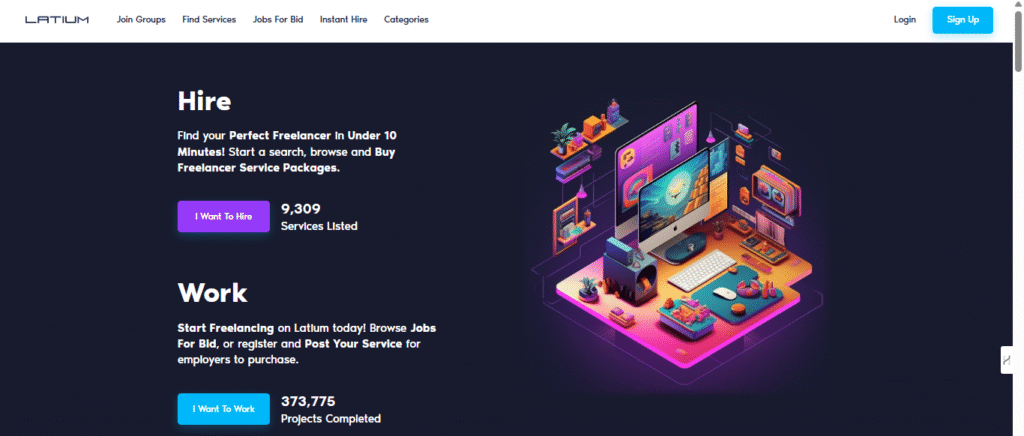
Latium is a crypto-powered freelancing platform designed for microtasks, creative projects, and technical gigs. It’s like Fiverr but powered by blockchain tech. Clients post jobs and pay in cryptocurrency (mainly USDT, BTC, ETH), though fiat payments are also possible.
Why It Stands Out for Nigerians: For tech-savvy freelancers and crypto enthusiasts in Nigeria, Latium is a goldmine. It bypasses traditional banking limitations. Jobs range from graphic design and translation to NFT design and web dev.
Anutio Tip: Don’t just apply—create custom crypto-themed packages (e.g., NFT avatar design or Web3 copywriting). Cash out via stablecoins and transfer to Binance or Luno in naira.
Signup Requirements: Sign up, complete profile, crypto wallet recommended (Metamask or Latium Wallet), and apply for tasks
Payout Systems: Crypto (USDT, ETH, BTC) or fiat via integrated payment gateways. No need for PayPal or Payoneer
Why It’s Great: Great for Web3 enthusiasts
Limitations: Volatility of crypto payouts. Also, not ideal for freelancers unfamiliar with digital wallets and blockchain basics
How to Choose the Right Freelance Platform for Your Skills
Not all freelance platforms are created equal. Some are ideal for beginners testing the waters. Others are competitive, high-paying arenas for seasoned pros. The key is choosing a platform that matches your skill level, industry, and freelance goals.
First, Ask Yourself:
Are you just starting out, or do you have a portfolio?
Do you prefer one-off gigs or long-term contracts?
Do you want fast cash, experience, or reputation building?
Are you in a “figuring-it-out” phase or deeply specialized?
Let’s break it down by category and find you the best fit.
Toptal: Elite network—apply only if you can pass rigorous screening (ideal for devs, designers, finance experts).
SolidGigs: You don’t waste time searching. You get top-quality leads to pitch.
We Work Remotely / Remote OK: Best for job-style freelancing or remote roles in tech and product.
Still Figuring It Out? No Problem.
You don’t need everything figured out to start. Some platforms are ideal for exploring, experimenting, and learning while earning.
Recommended Platforms:
Freelancer.com: Try different project types.
Latium: Microtasks to test your interest in design, writing, or marketing.
Workana: Access flexible contracts while finding your niche.
Before you Join a Platform, Do This:
Audit your skills. Use Anutio’s free “Career Map” to find ideal niches for your abilities.
Set a micro-goal. e.g., “I want 1 client review in 2 weeks.”
Polish your pitch. Even one strong portfolio item + a bold introduction can land you gigs faster than a cluttered, unfocused profile.
BONUS SECTION: Quick Start Guide
How to Get Your First Freelance Client in 30 Days (Even If You’re Starting From Scratch)
Getting started doesn’t have to be confusing. You don’t need a fancy website, massive portfolio, or 5 years of experience. What you need is focused action—and consistency. Here’s your step-by-step 30-day plan to land your first paying client.
Step 1: Choose Your Battlefield (Day 1–2)
Pick just 1–2 freelance platforms. Don’t scatter your energy. (Check what platform works for you in the previous section).
Step 2: Build a Basic Portfolio (Day 3–5)
No client yet? No problem. Create 2–3 mock samples to show what you can do.
✅ Use Canva to design: – Instagram carousels – Blog headers – Resumes – Brand kits
✅ Use Notion to build: – A free portfolio page – Case study layout – Service menu
Keep it simple. Quality over clutter. Make it look clean and confident.
Step 3: Join the Freelance Hustle Circles (Day 6–10)
Find where your future clients and fellow freelancers hang out.
Observe. Introduce yourself. Offer value before you pitch. And follow daily job posts.
Step 4: Start Pitching Daily (Day 11–29)
This is where magic happens.
📂 Save 3 pitch templates:
One for Upwork proposals
One for email outreach
One for cold DMs on LinkedIn or Twitter
Pitch every day. Minimum 3–5 per day. Track it. Refine it. Don’t wait for perfect.
🪄 Sample pitch opener:
“Hi [Client Name], I saw your need for a [service] and I’ve helped brands like yours with results-driven solutions. Would you like a free mini sample?”
Step 5: Use a 30-Day Client Tracker (Free Download)
Use this tracker to turn actions into patterns—and patterns into paid clients.
Day 30: Celebrate + Reflect
Even if you don’t land a big client yet, here’s what you will have:
A strong online presence
Sample work ready to showcase
Pitching experience
Real platform familiarity
Possible referrals or trials
And most importantly: Momentum.
Freelancing isn’t just another side hustle buzzword or a Gen Z escape route. It’s a full-blown transformation of how work happens across the world. From Enugu to Edmonton, Ibadan to Berlin, skilled Nigerians are plugging into global opportunities—and getting paid in strong currencies to do what they love.
But success doesn’t happen by chance. It happens when you prepare intentionally, choose smart platforms, and show up consistently.
Whether you’re just figuring things out, or ready to pitch clients from Day 1, remember this: You don’t need to know everything to start. You just need to start with what you know.
But also be prepared:
Track your progress (start with our free tracker!)