For decades, the path to a successful career was supposedly simple: study hard, get perfect grades, and put a shiny GPA at the top of your resume.
However, in 2026, the hiring landscape has completely shifted. Employers at major tech companies, financial firms, and innovative startups are increasingly deleting the “education requirement” from their job descriptions. They have realized that a student who can ace a multiple-choice test cannot necessarily solve a complex, real-world problem.
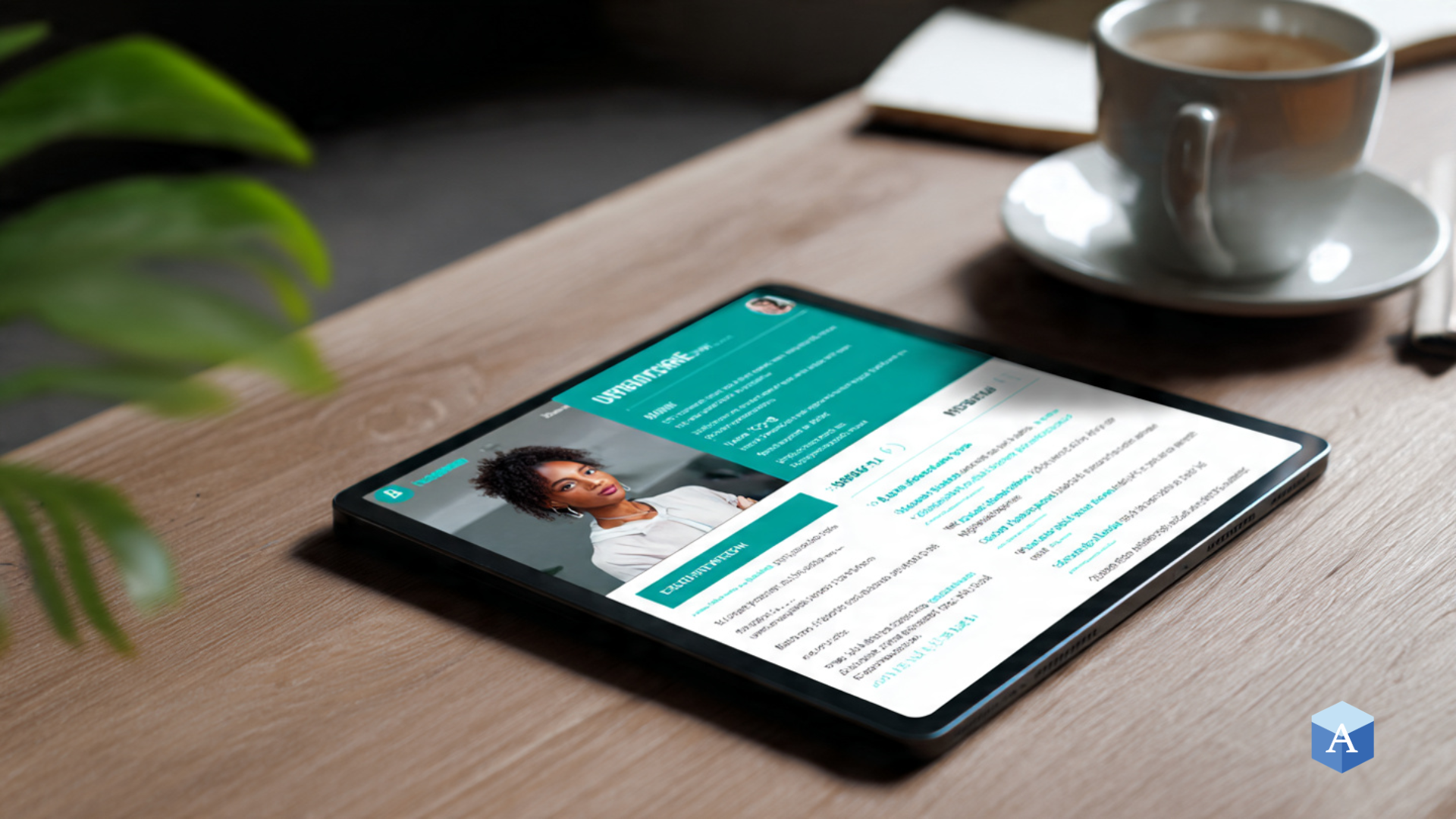
As a result, the traditional one-page resume is dying. In its place, the hiring world is embracing dynamic student profiles.
If you are a student, recent graduate, or educator trying to bridge the gap between the classroom and the economy, you must understand this shift. Here is why your grades are no longer the most important part of your application, and how comprehensive student profiles are leveling the playing field.
The Limitation of Academic Honors
Let us be clear: academic excellence is a fantastic achievement. Dedicating four years to mastering a subject requires intense discipline.
Historically, securing academic honors like Magna Cum Laude vs. Summa Cum Laude was the ultimate signal to employers that you were a top-tier candidate. It meant you outworked your peers and mastered the curriculum.
However, today’s employers are facing challenges that no curriculum has prepared you for. A high GPA proves you can follow instructions, but it does not prove you have the Human Qualities AI Can’t Replace, such as adaptability, conflict resolution, or creative problem-solving.
Consequently, recruiters are experiencing GPA fatigue. When every applicant has a 3.8, the number loses its value. They need a better way to assess actual competence.
What Are Dynamic Student Profiles?
A traditional resume is a static document. It is a historical record of what you were. Conversely, dynamic student profiles are living portfolios that showcase what you can do.
A robust student profile moves beyond the transcript to include:
- Verified Skills: Instead of simply writing “Leadership,” a dynamic profile links to a specific project where you successfully led a team.
- Work-Based Learning: It tracks every hour of your internships, job shadowing, and apprenticeships, turning theoretical knowledge into practical proof.
- Micro-Credentials: It highlights short-term, high-impact certifications (like a Google UX Design Certificate or a coding bootcamp) that prove your skills are current.
- Multimedia Evidence: It includes links to your GitHub, your published articles, or video pitches of your business ideas.
By utilizing comprehensive student profiles, schools can finally conduct accurate program evaluations to see if their curriculum is actually preparing students for the real world.
The Global Advantage: Mobility and Freelancing
Dynamic student profiles are especially critical because the 2026 workforce is entirely borderless.
You are no longer just competing with graduates from your local university; you are competing with talent from across the globe. Many ambitious students and newcomers are completely bypassing traditional corporate entry-level roles by building global freelance careers.
For instance, an international student might leverage their digital portfolio to secure remote contracts, which is a powerful way to build local experience. If you are an immigrant looking to establish yourself, understanding the nuances of work permits and freelancing in Canada is just as important as your degree. Your student profile allows you to showcase cross-border projects, remote collaboration skills, and international adaptability, traits that a standard resume simply cannot capture.
How to Transition from a Resume to a Profile
If you want to survive the automated Applicant Tracking Systems (ATS) and impress a human hiring manager, you must build your profile today. Here is a simple three-step strategy:
1. Document the Hidden Work
You have likely completed massive projects in your capstone classes, community outreach programs, or university clubs. Do not let that work vanish when the semester ends. Upload your presentations, code snippets, and campaign strategies directly to your profile.
2. Translate Academic Jargon to Industry Terms
A hiring manager does not care that you took “Sociology 301.” They care that you know how to conduct “Qualitative User Research.” Use a targeted career change cover letter mindset to translate your academic coursework into the exact keywords found in modern job descriptions.
3. Continuously Update Your Living Document
A resume is something you update only when you are desperate for a job. A student profile is something you update weekly. Every time you complete a new certification, attend a major networking event, or finish a freelance gig, log it.
Show, Don’t Tell
The phrase “Show, don’t tell” used to be advice for novelists. Today, it is the golden rule for job seekers.
You can tell an employer that you are a hardworking, Magna Cum Laude graduate. But it is infinitely more powerful to show them your dynamic student profile, complete with verified skills, global freelance projects, and real-world impact.
Do not let a flat piece of paper define your entire future.
Are you ready to build a digital presence that actually gets you hired? Use the Anutio Digital Profile Builder today to transform your grades, projects, and experiences into a dynamic portfolio that recruiters cannot ignore.