
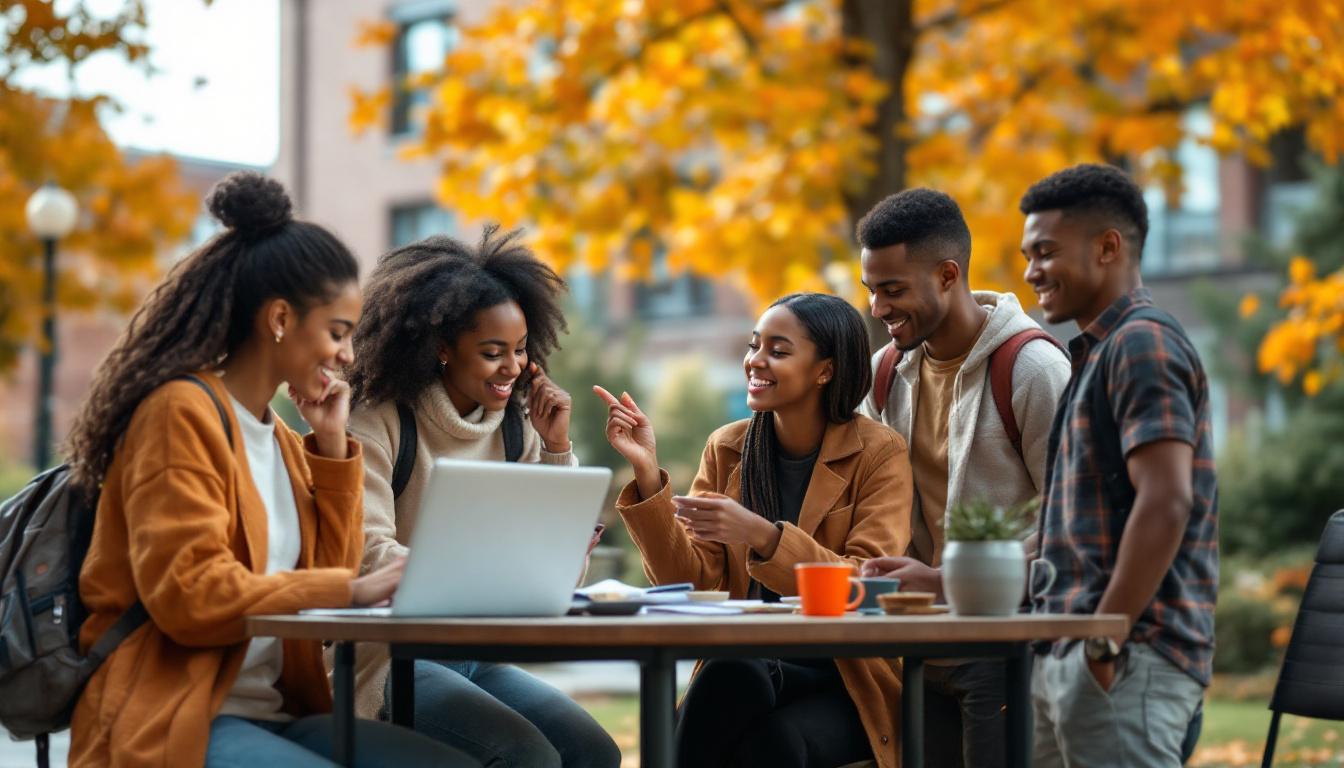
The hidden skills student have – Students arrive on campus with a wealth of skills that often go unnoticed by the very institutions meant to nurture them. These abilities-ranging from subtle soft skills to diverse cognitive strengths-can be crucial for academic success and future employment. Yet, universities and colleges frequently lack the means to recognize or measure these talents effectively. This gap leaves many students unaware of their own potential and underprepared to showcase their capabilities to employers.
Why students often overlook or underestimate their own abilities
Many students struggle to see the full extent of their own skill sets. This isn’t just modesty or a lack of confidence; it’s often a reflection of how education systems frame success. When the focus is heavily on grades and standardized testing, less tangible skills, like communication, adaptability, or cultural knowledge, are sidelined. Students may not even realize these are valuable assets.
Research highlights that students from underrepresented minority groups, for example, often possess culturally relevant knowledge and diverse cognitive abilities that schools don’t always recognize. These strengths can be powerful tools for learning and problem-solving but remain hidden because traditional assessments don’t capture them. Without explicit encouragement or validation, students may undervalue these skills, missing opportunities to leverage them in academic or professional settings.
Moreover, the pressure to conform to a narrow definition of success can stifle creativity and critical thinking. Many students are conditioned to memorize facts and regurgitate information, leading them to believe that their worth is tied solely to their ability to perform well on tests. This can create a cycle of self-doubt, where students begin to equate their grades with their intelligence, overlooking their unique talents and perspectives. For instance, a student who excels in collaborative projects may dismiss their ability to work well with others as merely a social skill, rather than recognizing it as a vital component of leadership and teamwork.
Additionally, the influence of peers and societal expectations can further cloud students’ self-perception. In environments where competition is emphasized, students may feel compelled to downplay their strengths to fit in or avoid standing out. This phenomenon can be particularly pronounced in group settings, where individuals may hesitate to share their insights or take initiative, fearing judgment or rejection. As a result, the rich tapestry of diverse skills and experiences that students bring to the table often goes unacknowledged, perpetuating a cycle of underestimation that can have lasting effects on their academic and professional journeys.
Anutio’s platform helps institutions track student readiness, emerging skill gaps, and predicted career pathways, offering clearer visibility into how to improve overall graduate outcomes. Learn more here.
How traditional advising methods miss transferable and soft skills
Academic advising tends to focus on course selection, degree requirements, and sometimes career pathways. However, this approach rarely digs into the transferable skills students develop through extracurricular activities, part-time jobs, or personal experiences. Soft skills like teamwork, problem-solving, and emotional intelligence are crucial for success but often remain invisible in advising conversations.

Emerging research proposes innovative methods to better assess these soft skills. For instance, a fuzzy logic approach that integrates multimodal analysis has been developed to evaluate undergraduate students’ soft skills more reliably. This method goes beyond self-reporting or simple checklists, offering a nuanced picture of students’ interpersonal and cognitive abilities. Unfortunately, such tools are not yet widely adopted in most advising centers.
Moreover, the lack of emphasis on soft skills in traditional advising can lead to a significant gap in students’ preparedness for the workforce. Employers increasingly prioritize candidates who can demonstrate adaptability, effective communication, and the ability to collaborate in diverse teams. As a result, students may graduate with impressive academic credentials but lack the essential soft skills that are often the deciding factor in hiring decisions. This disconnect not only impacts individual career trajectories but also affects the overall employability of graduates in a competitive job market.
To address this issue, some institutions are beginning to incorporate workshops and training sessions aimed at developing these critical skills. By creating environments where students can practice and refine their soft skills, such as through group projects or community service initiatives, advisors can play a pivotal role in fostering holistic development. Additionally, integrating peer mentorship programs can provide students with real-time feedback and support, further enhancing their ability to navigate interpersonal dynamics in professional settings. Such initiatives represent a promising shift towards a more comprehensive advising model that recognizes the importance of both hard and soft skills in shaping well-rounded graduates.
Why it’s difficult for students to articulate strengths to employers
When it comes time to enter the workforce, many students find it challenging to communicate their strengths clearly. They may know they have valuable skills but struggle to put them into words that resonate with employers. This disconnect can stem from a lack of self-awareness or simply not having practiced framing their experiences in a professional context. In many cases, students have spent years in academic environments that prioritize theoretical knowledge over practical application, leaving them ill-prepared to discuss their real-world capabilities. As a result, they might feel unsure about how to present themselves effectively in job interviews or networking situations.

Moreover, employers increasingly look for evidence of non-cognitive skills alongside technical knowledge. A study conducted in Kazakhstan found that out of 26 non-cognitive skills examined, eight directly impacted academic achievement in STEM subjects, highlighting their importance. Yet, students often focus on technical competencies alone, neglecting to highlight these complementary abilities during interviews or on resumes. This oversight can be detrimental, as non-cognitive skills such as teamwork, adaptability, and problem-solving are often what set candidates apart in a competitive job market. Furthermore, many students may not realize that their extracurricular activities, volunteer work, or group projects can serve as excellent examples of these skills in action, providing them with concrete evidence to share with potential employers.
Additionally, the pressure of the job search process can exacerbate these challenges. Students may feel overwhelmed by the sheer volume of applications and the need to tailor their materials for each position. This can lead to a focus on simply getting through the motions rather than taking the time to reflect on their unique strengths and experiences. Workshops and career counseling services can play a crucial role in helping students navigate this landscape, offering guidance on how to articulate their skills effectively. By engaging in mock interviews and receiving feedback, students can build confidence and learn to present their strengths in a way that aligns with what employers are seeking.
What indicators can reveal hidden potential in early conversations
Early interactions between students and advisors or instructors can be rich with clues about hidden potential. Indicators such as curiosity, resilience, and the ability to learn from failure may not show up in grades but can predict long-term success. Paying attention to how students approach challenges or reflect on their learning can uncover strengths that traditional metrics miss. For instance, a student who asks probing questions during discussions may demonstrate a level of engagement and critical thinking that transcends their current academic performance. These conversations can serve as a window into a student’s mindset, revealing their willingness to explore complex ideas and tackle difficult concepts head-on.

Additionally, recognizing diverse learning profiles is essential. Research has identified three distinct cognitive and learning profiles among first-year university students, showing that differences in intelligence and attention influence academic performance. Understanding these profiles allows educators to tailor support and recognize capabilities that might otherwise be overlooked. For example, a student who may struggle with traditional lecture formats might excel in hands-on projects or collaborative group work. By identifying these unique learning styles early on, educators can implement strategies that cater to individual needs, fostering an environment where every student has the opportunity to thrive. Moreover, this personalized approach not only enhances academic outcomes but also boosts students’ confidence, encouraging them to pursue their interests and passions more vigorously.
How institutions can help students build clearer self-awareness
Universities can play a pivotal role in helping students develop a more accurate and comprehensive understanding of their skills. This starts with creating opportunities for reflection and feedback beyond grades-through portfolios, peer reviews, or guided self-assessment tools. Encouraging students to document and articulate their learning journeys helps build confidence and clarity. For instance, institutions can implement structured reflection sessions where students analyze their experiences and the skills they have gained, fostering a deeper understanding of their personal and academic growth. These sessions can be complemented by mentorship programs, where experienced faculty or alumni provide insights and constructive feedback, further enriching the students’ self-awareness.
Integrating responsible AI tools into curricula can also support this process. A recent study from 2025 highlights the difference between novices who over-rely on AI and experts who use it to augment their skills. Teaching students how to engage critically with AI can enhance their learning and self-awareness, preparing them for a workforce that increasingly values human-AI collaboration. Moreover, by incorporating case studies that illustrate successful AI integration in various fields, educators can demonstrate the practical applications of these tools, encouraging students to explore their own potential in innovative ways. Workshops that focus on ethical considerations and the implications of AI in decision-making can further empower students to navigate this evolving landscape with confidence and responsibility.
Ways advisers can uncover strengths through better guidance
Advisers can adopt strategies that go beyond checking off degree requirements. By asking open-ended questions about students’ experiences, challenges, and interests, advisers can uncover hidden talents. For example, discussing how students handle setbacks or work in teams can reveal resilience and interpersonal skills that are otherwise invisible. These conversations can also lead to deeper insights into a student’s motivations and aspirations, allowing advisers to tailor their recommendations and support to align with the student’s unique strengths and goals.
Training advisers to recognize and value diverse cognitive strengths and cultural knowledge is also key. This approach not only supports underrepresented students but enriches the advising process for all. When advisers are equipped with tools and frameworks to assess soft skills and learning profiles, they can provide more personalized and empowering guidance. Furthermore, incorporating assessments that highlight emotional intelligence, creativity, and critical thinking can help advisers paint a fuller picture of a student’s capabilities. By fostering an environment where students feel comfortable sharing their experiences, advisers can create a more inclusive atmosphere that celebrates diversity and encourages self-discovery.
Additionally, advisers can benefit from establishing mentorship programs that connect students with professionals in their fields of interest. These relationships can serve as a platform for students to explore their strengths in real-world contexts, gaining valuable insights and feedback from experienced individuals. By facilitating these connections, advisers not only enhance the students’ learning experience but also help them build a network that can support their career aspirations. Encouraging students to engage in internships, volunteer work, or extracurricular activities can further illuminate their strengths, as these experiences often reveal skills and passions that may not be evident in a traditional academic setting.
Program practices that highlight student potential more effectively
Some programs are already experimenting with innovative practices to spotlight student potential. Longitudinal skill mapping, like that developed by the Course-Skill Atlas project, tracks the alignment between curricula and workforce demands over time. This helps institutions identify gaps and adjust programs to better prepare students for real-world challenges. By utilizing data analytics, educators can pinpoint specific skills that are in high demand within various industries, allowing them to tailor their teaching methods and course offerings accordingly. This proactive approach not only enhances the relevance of academic programs but also ensures that students are equipped with the competencies that employers are actively seeking.
Additionally, embedding skill development explicitly into course design, such as teamwork exercises, problem-solving tasks, and reflective assignments, makes students’ abilities more visible. When programs emphasize both technical and non-technical skills, students gain a clearer sense of their strengths and how to communicate them. For instance, incorporating project-based learning allows students to engage in real-world scenarios where they can apply their knowledge and collaborate with peers. This not only fosters a deeper understanding of the material but also encourages the development of soft skills such as communication, adaptability, and leadership, which are crucial in today’s diverse work environments.
Ultimately, creating a culture that values a broad range of skills and provides tools to identify and nurture them benefits everyone. Students become more confident and employable, advisers can offer more meaningful support, and institutions fulfill their mission of preparing learners for success beyond the classroom. Furthermore, as institutions embrace a more holistic approach to education, they can cultivate a community that celebrates diverse talents and perspectives. This inclusive environment not only enriches the learning experience but also prepares students to thrive in a globalized workforce, where collaboration and innovation are key drivers of success.
Redefine Career Development in Education with Anutio
Helping students transition from education to meaningful work takes more than classroom knowledge, but it requires clear, guided pathways. Anutio helps you strengthen that role with personalized, data-driven career guidance. Our AI-powered platform creates clear, actionable career trajectories tailored to each person’s skills and aspirations. By equipping students with direction and confidence, you can improve graduate employability, enhance student satisfaction, and reinforce your institution’s reputation for real-world success.
Empower your students, elevate outcomes, and redefine what career development means in education with Anutio.
